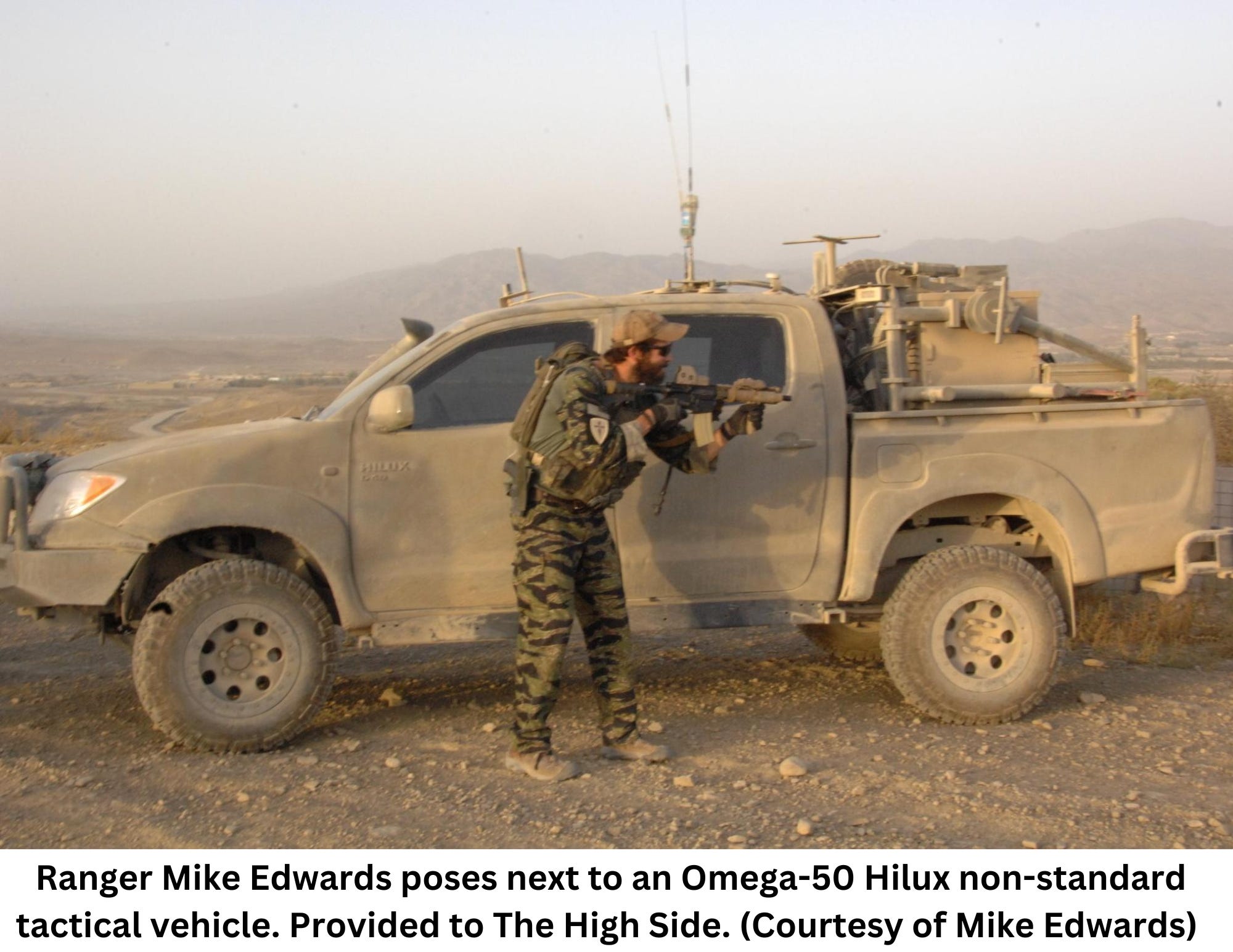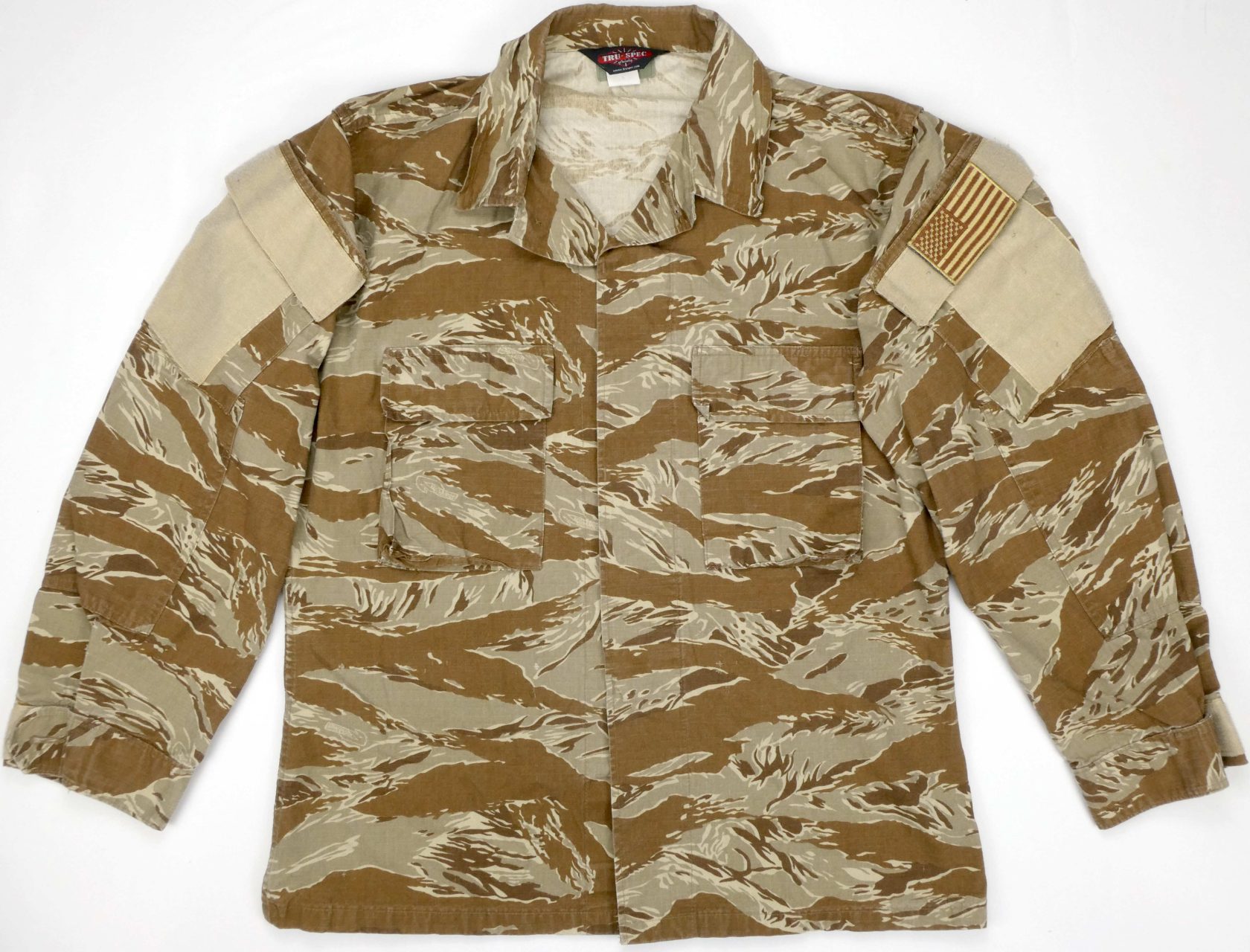
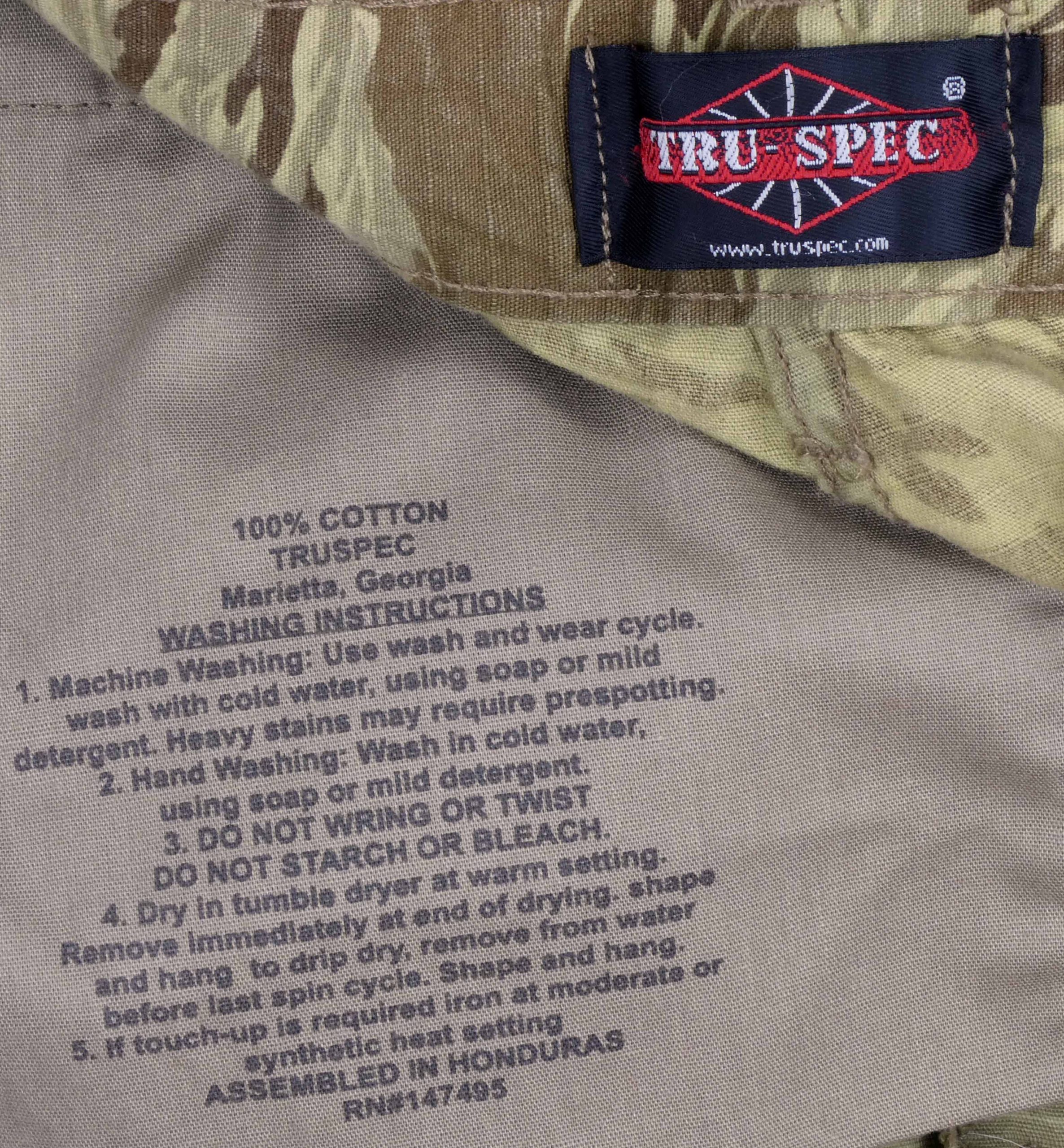
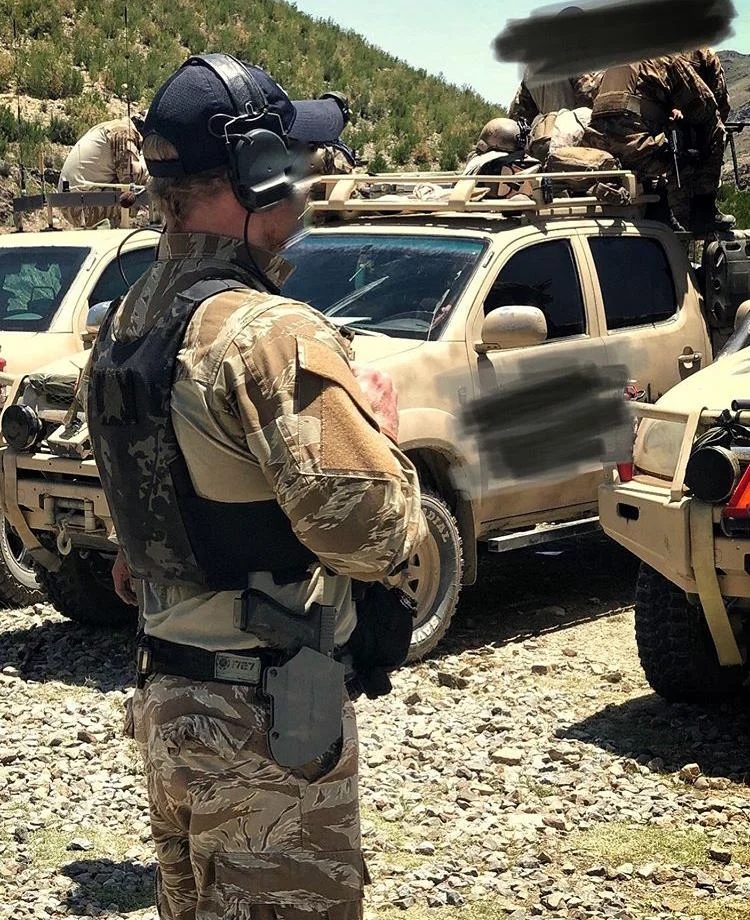
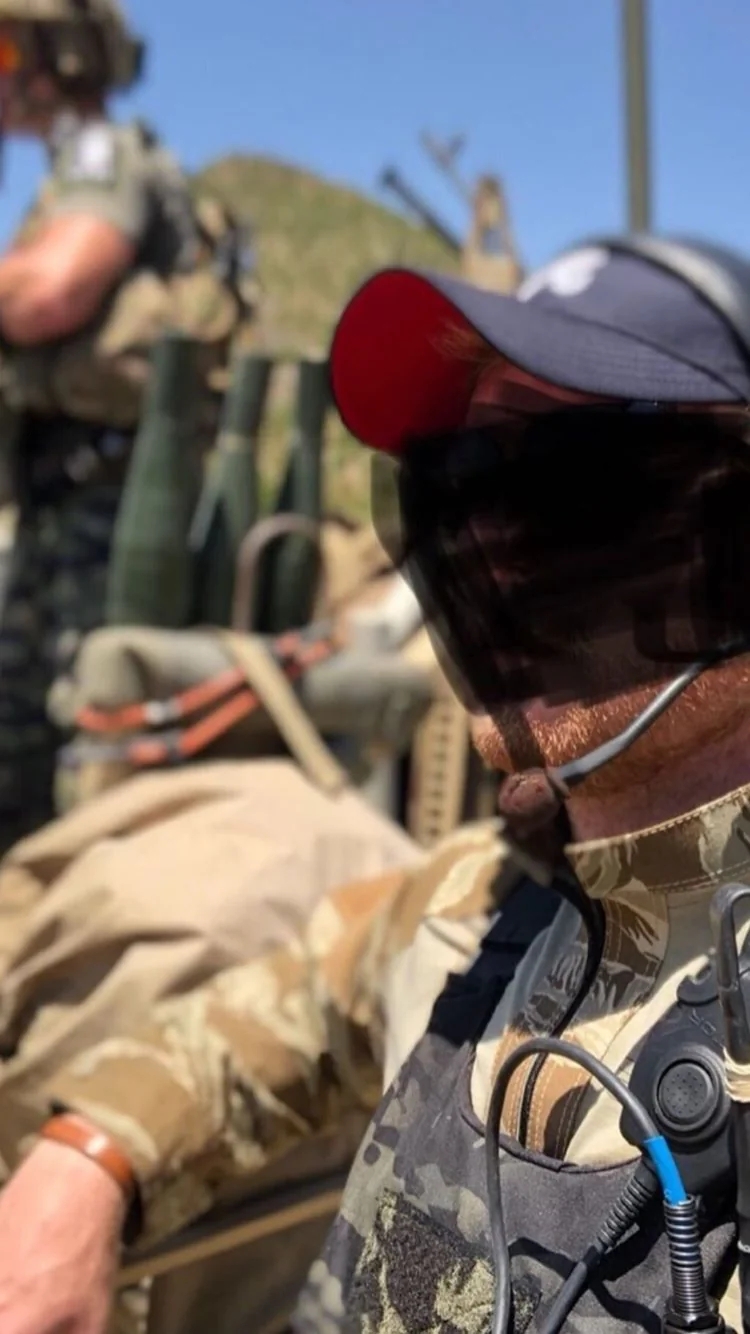
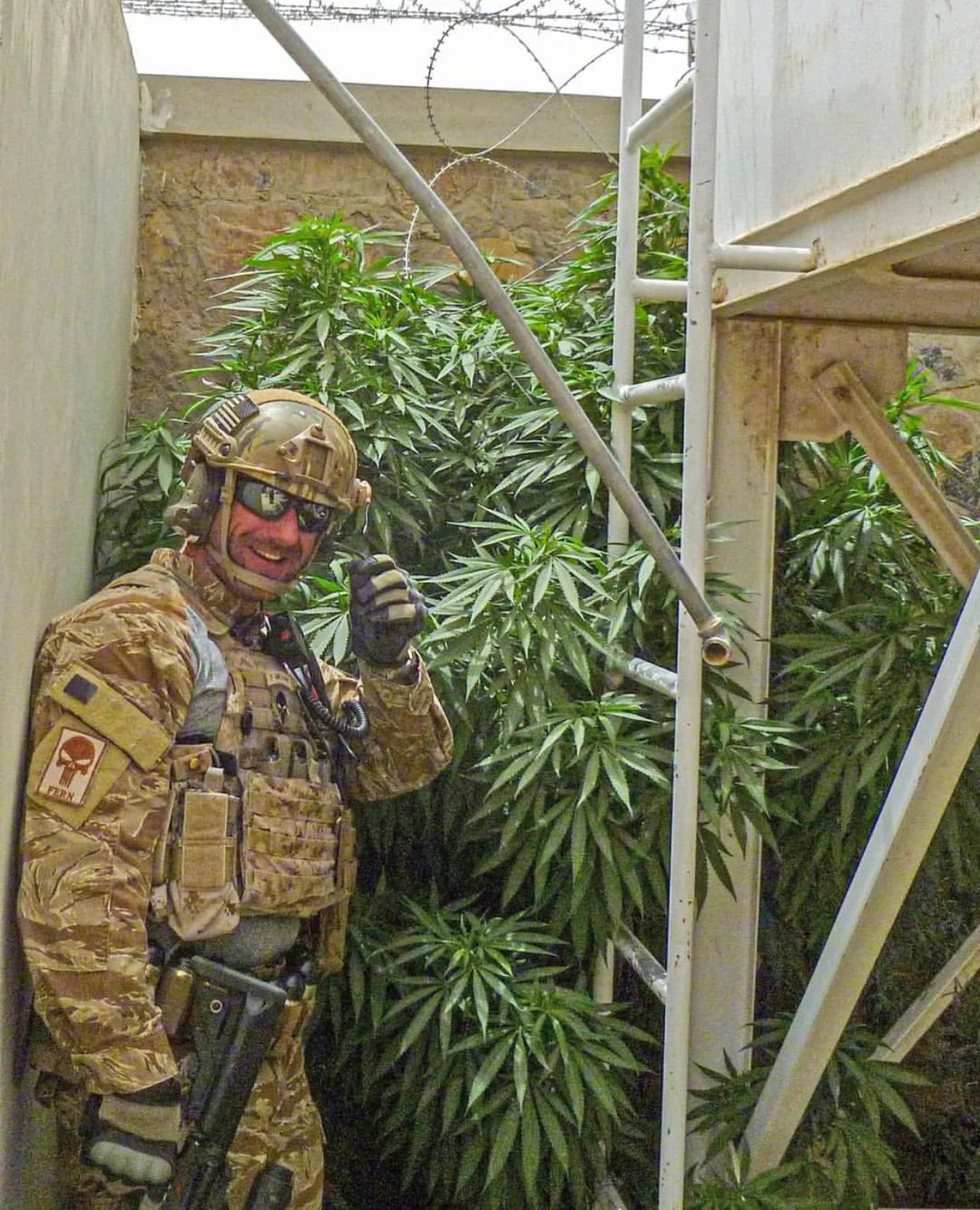
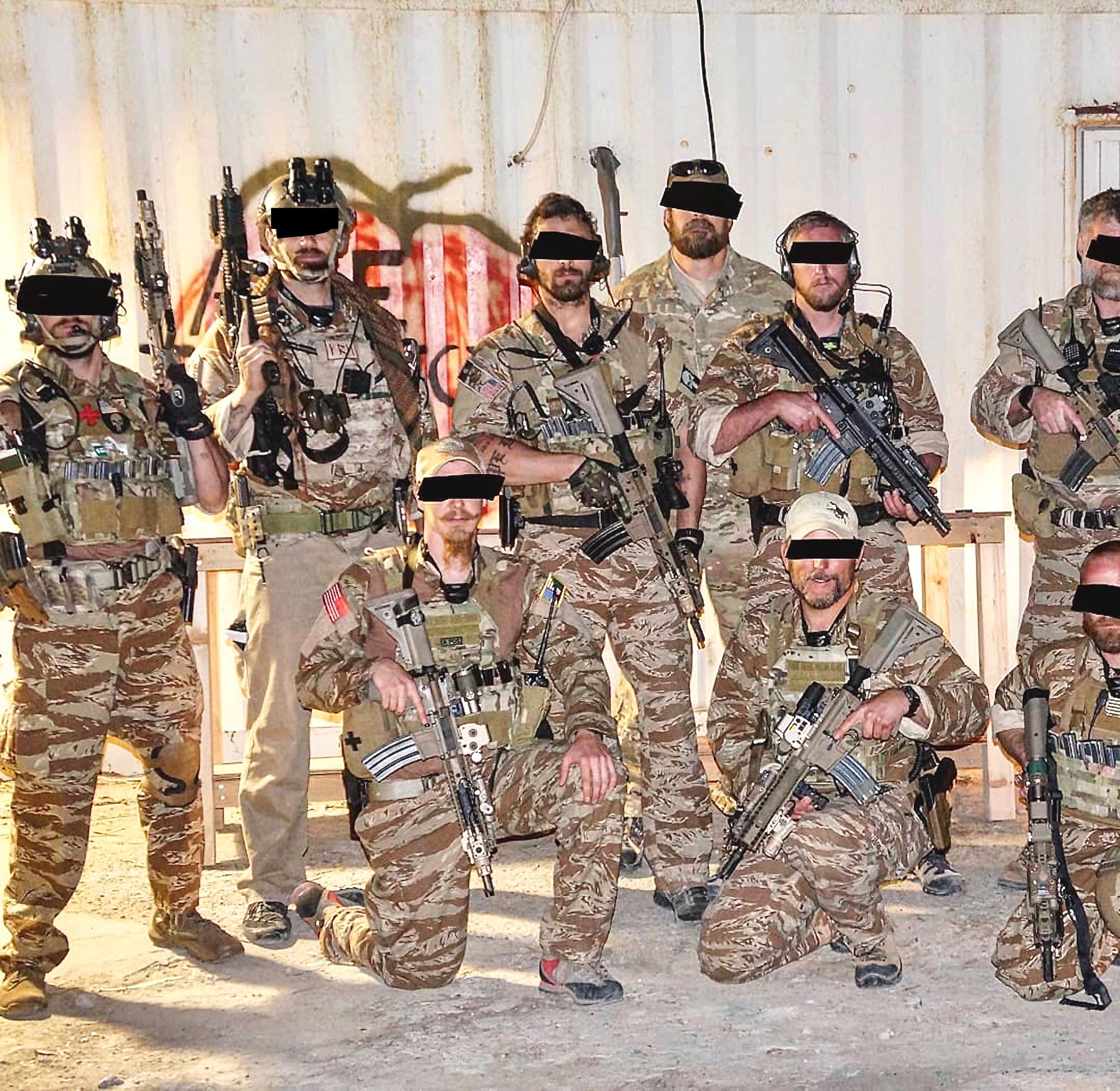
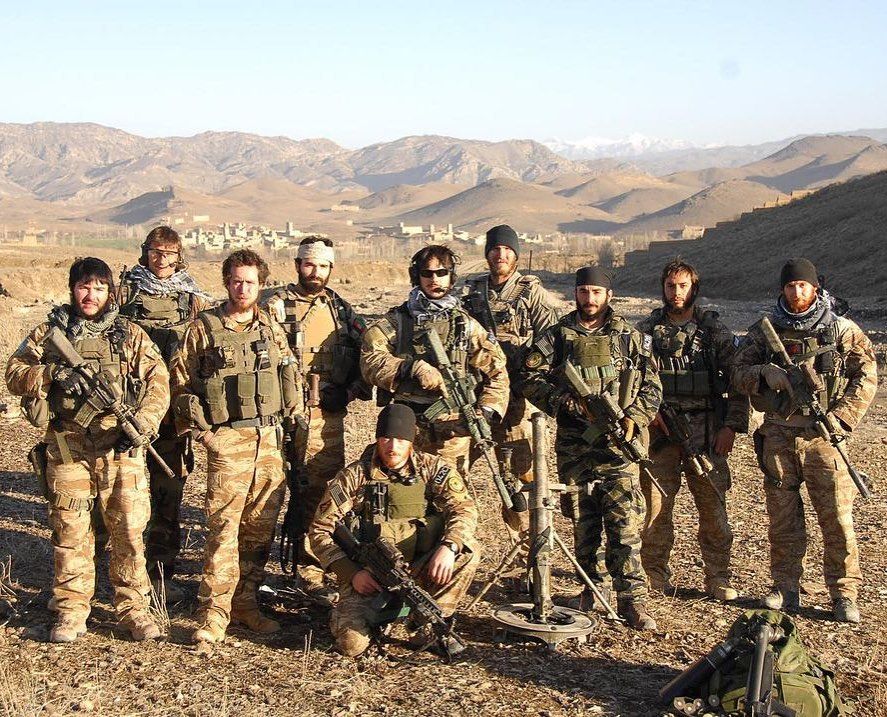
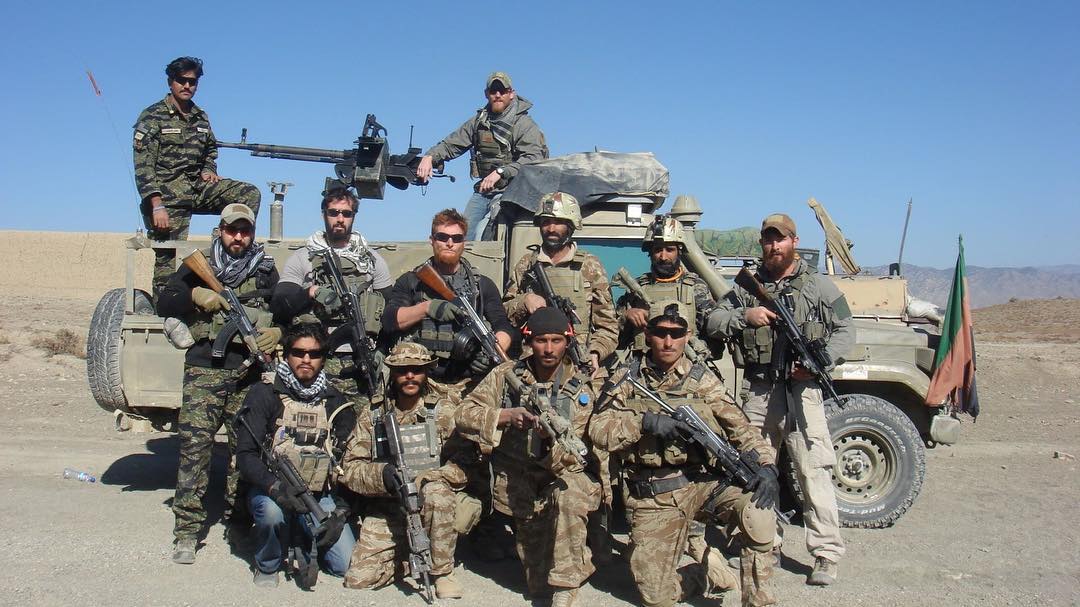
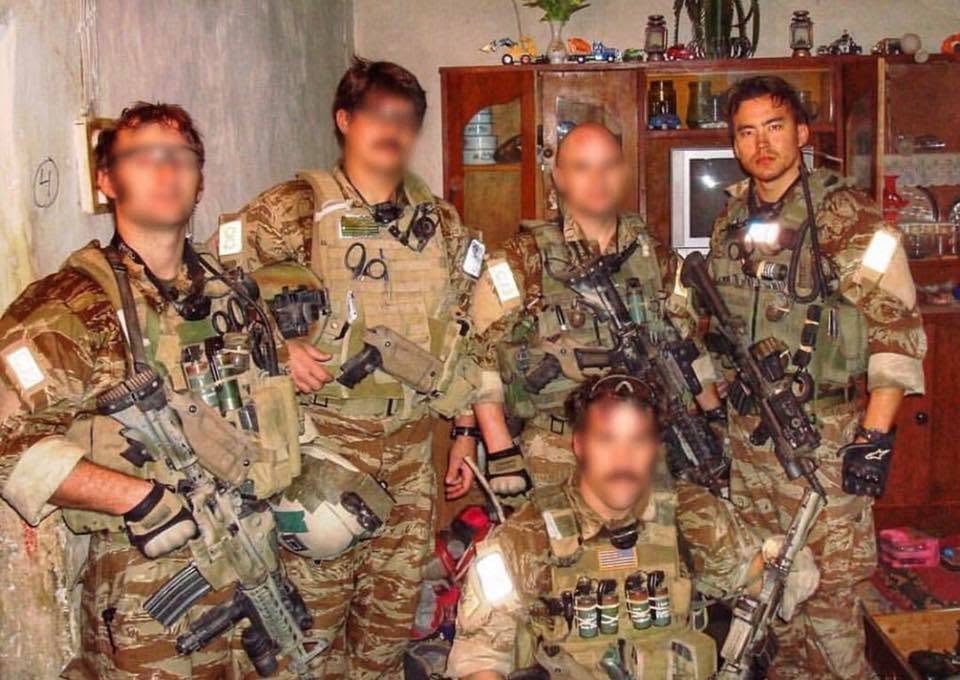
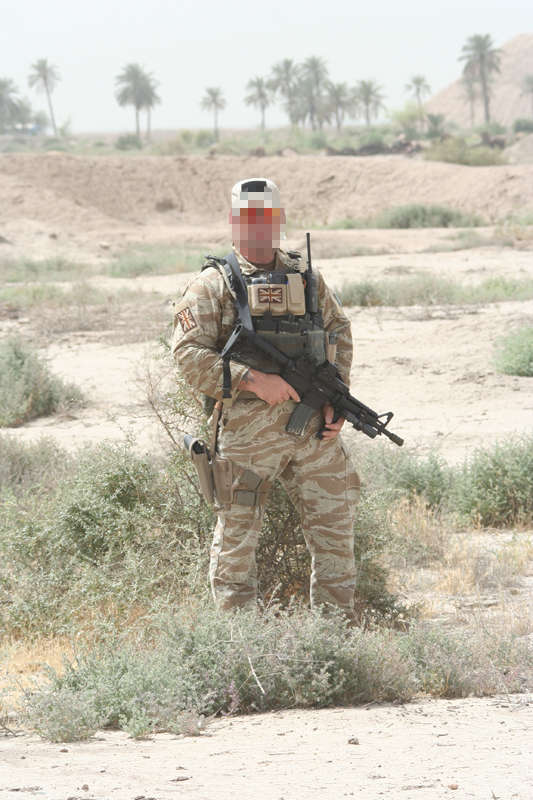
Tiger Stripe Products created a commercial reproduction of the South Vietnamese Tiger Stripe camouflage pattern, which was manufactured mainly by Tru-Spec from the 1980’s [1] through the mid-2020’s [2]. While most of these garments were sold to civilian consumers, U.S. and other Western-backed partner forces [3], especially Special Forces and intelligence personnel, also used commercial Tiger Stripe Products fatigues during the War on Terror. The appeal was twofold: it served as a nod to their Vietnam-era predecessors, and, just as importantly, the pattern was never an official U.S. military issue, which made it a practical option for operators and partner force units who wanted (or needed) to visually distinguish themselves from overtly western units.
These reproduction tiger stripe uniforms turned up on a range of units worldwide, from conventional forces to special operations troops, but they were most closely associated with the CIA-backed Afghan paramilitary forces run through the National Directorate of Security (NDS), first known as the Counter Terrorism Pursuit Teams (CTPT) and later reorganized as the “Zero Units,” each identified by a numeral starting with the number “0”:
- 01: Based at Eagle Base next to Kabul International Airport [4] and operated in Kabul, Logar, and Wardak provinces, Central Afghanistan.
- 02: Based in Jalalabad, operated in Eastern Afghanistan.
- 03: Based in Kandahar and operated in Southern Afghanistan.
- 04: Operated in Kunar and Nuristan provinces in Southeastern Afghanistan. [5]
These units were founded in 2002, shortly after the first U.S. military and intelligence operatives arrived in Afghanistan following 9/11, and operated entirely under U.S. control until around 2012. Additional regional forces, like the Khost Protection Force, functioned similarly and are sometimes grouped under the same umbrella. [6]
These teams were assigned to specific regions of Afghanistan and tasked with capturing or killing Taliban and al-Qaeda leaders, working under the direction of American military and intelligence advisors who frequently accompanied them on raids. Joint Special Operations Command (JSOC) contributed personnel to these operations through the classified Omega program, which paired conventional/special operations troops with CIA case officers and their Afghan partner forces. [4][7]
Throughout their existence, the CTPT and later the Zero Units drew persistent criticism over their lack of oversight and accountability, including night raids that resulted in civilian casualties. Analysts have occasionally drawn a historical parallel between the Zero Units and South Vietnam’s Phoenix Program and human rights groups referred to some of the units as “death squads” linked to extrajudicial killings. One estimate suggested a single unit was responsible for more than 450 deaths across over 100 raids. [8] Nominal command shifted to the NDS in 2010 under pressure from then-President Hamid Karzai after a June 2009 incident in Kandahar, when a CTPT unit clashed with Afghan police to free one of its own members after an arrest, though a former Afghan army chief of staff has said oversight was “physical, but not technical” because salaries, target selection, and operational guidance reportedly continued to come from the Americans with limited Afghan government input. [4]
The Zero Units continued operating with a high degree of independence from the Afghan government until the fall of the Islamic Republic of Afghanistan in August 2021, with some conducting deniable cross-border raids into Pakistan. [9] Zero Unit members were paid substantially more than regular Afghan government troops. The Zero Units were integral to the American withdrawal from Afghanistan in August 2021, being allowed to move largely unimpeded through Taliban-controlled territory so they could provide security at Hamid Karzai Airport during the withdrawal [10]. After the Taliban’s takeover, roughly 10,000 Zero Unit members and their families were resettled in the United States. [4]
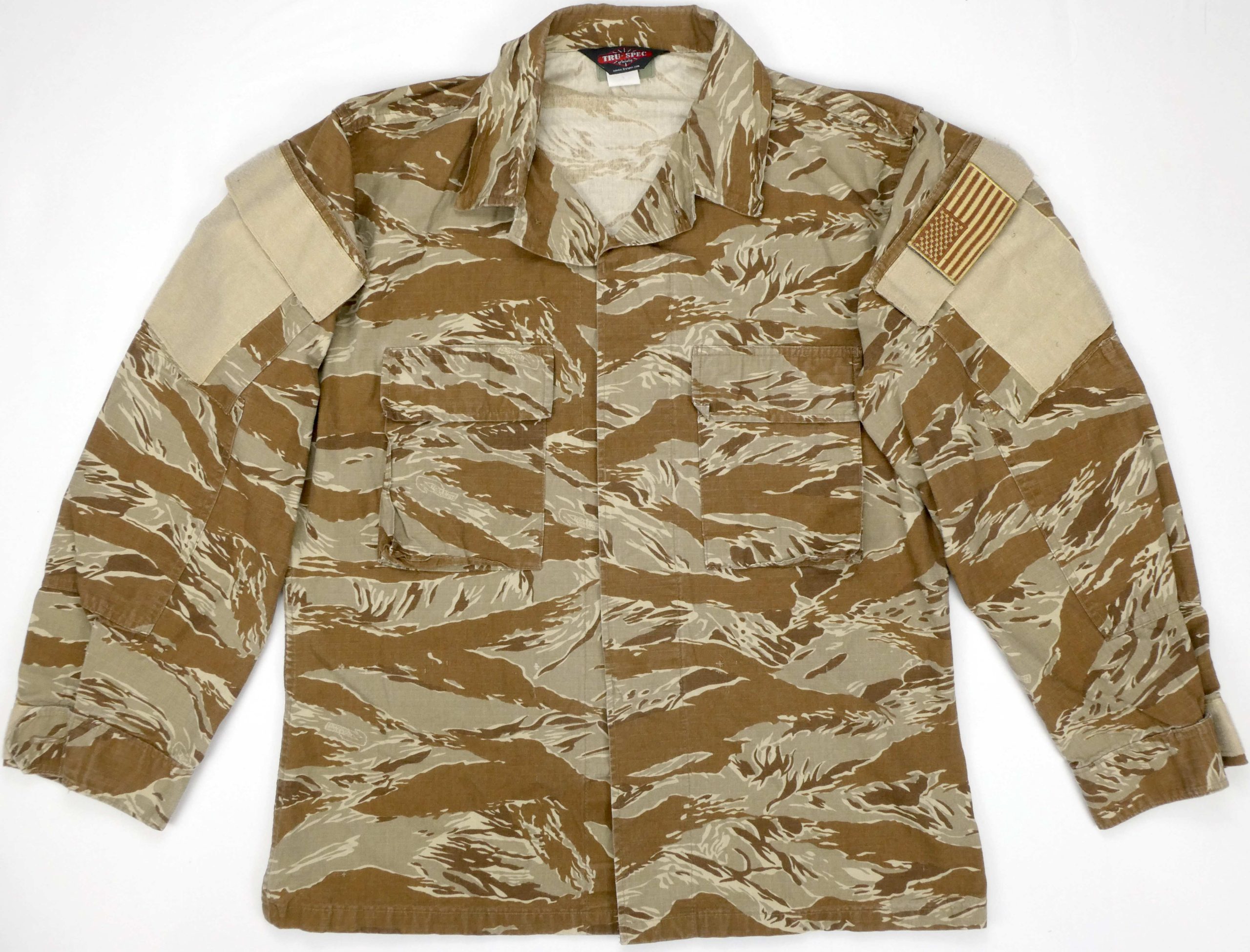
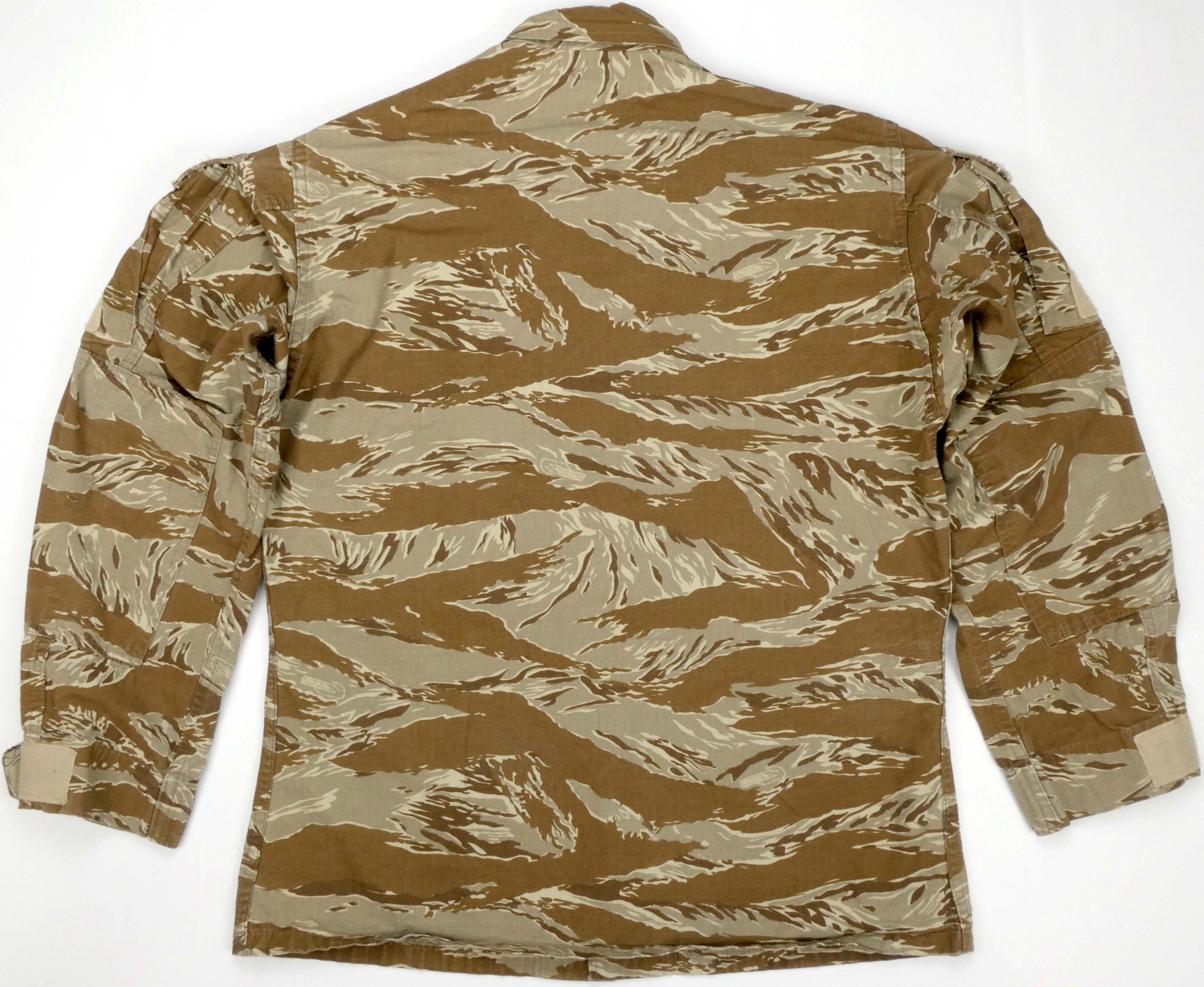
Desert Tiger Stripe:
Modified BDU:
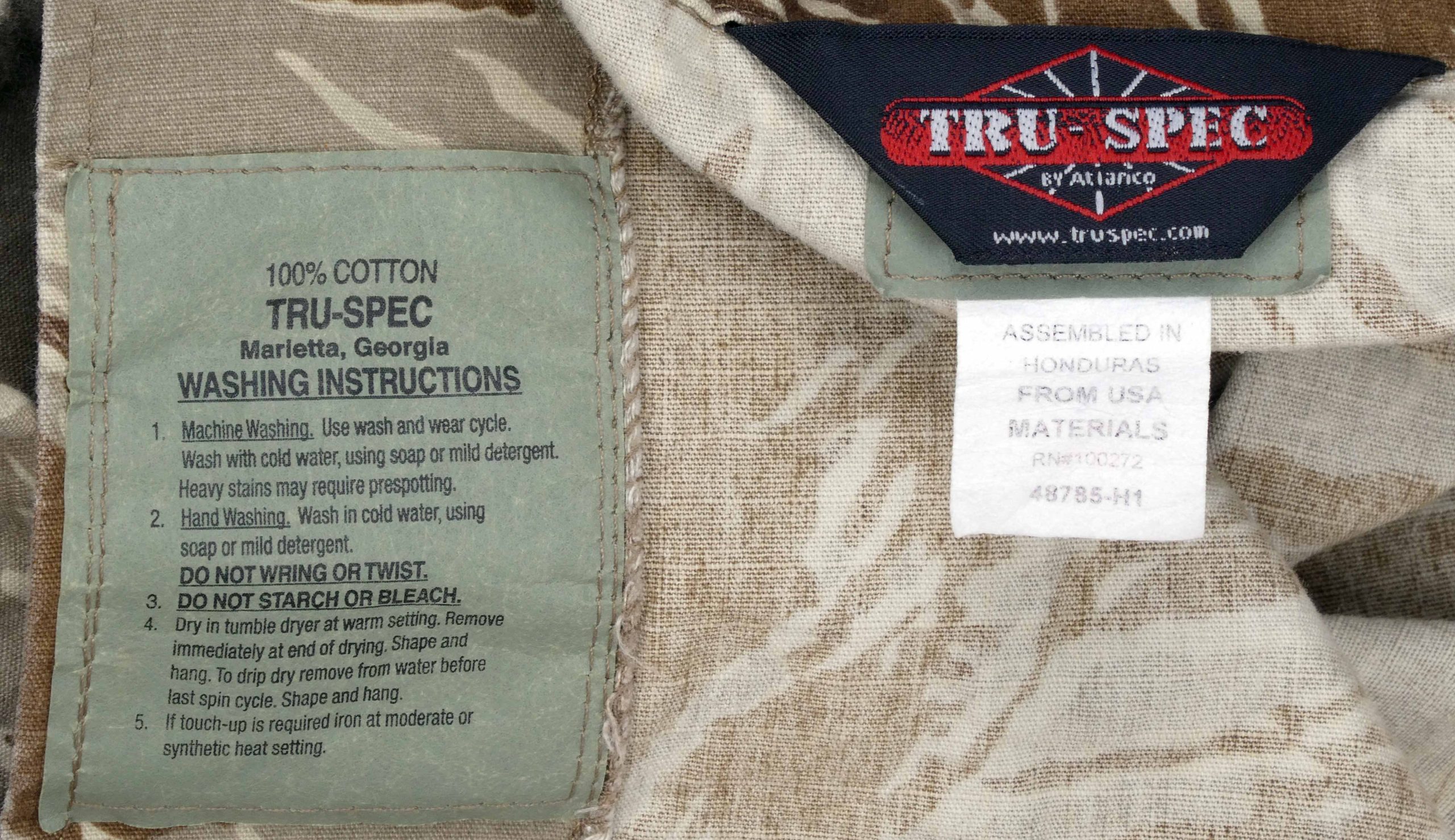
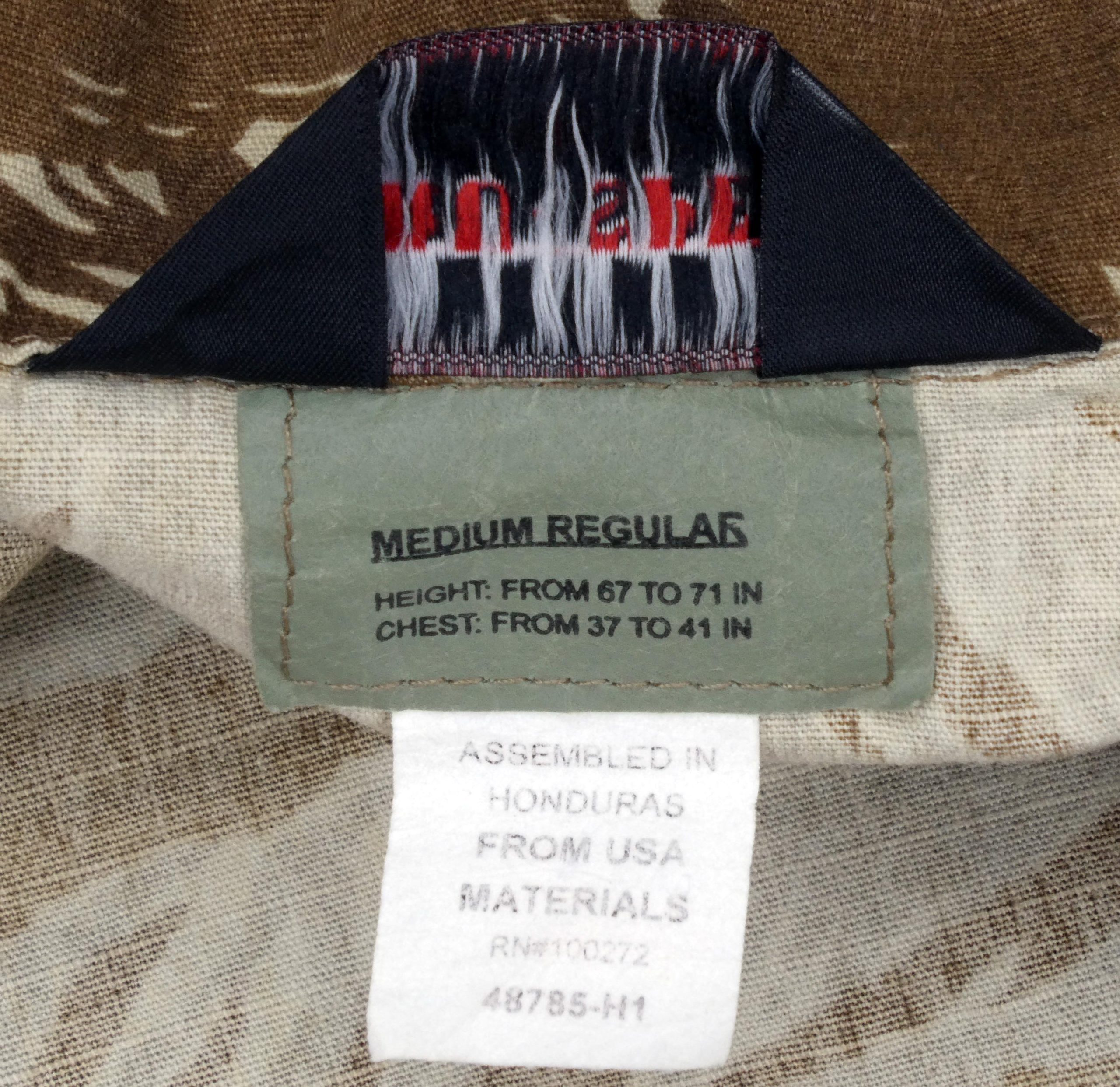
Tags:
Arm Pockets:
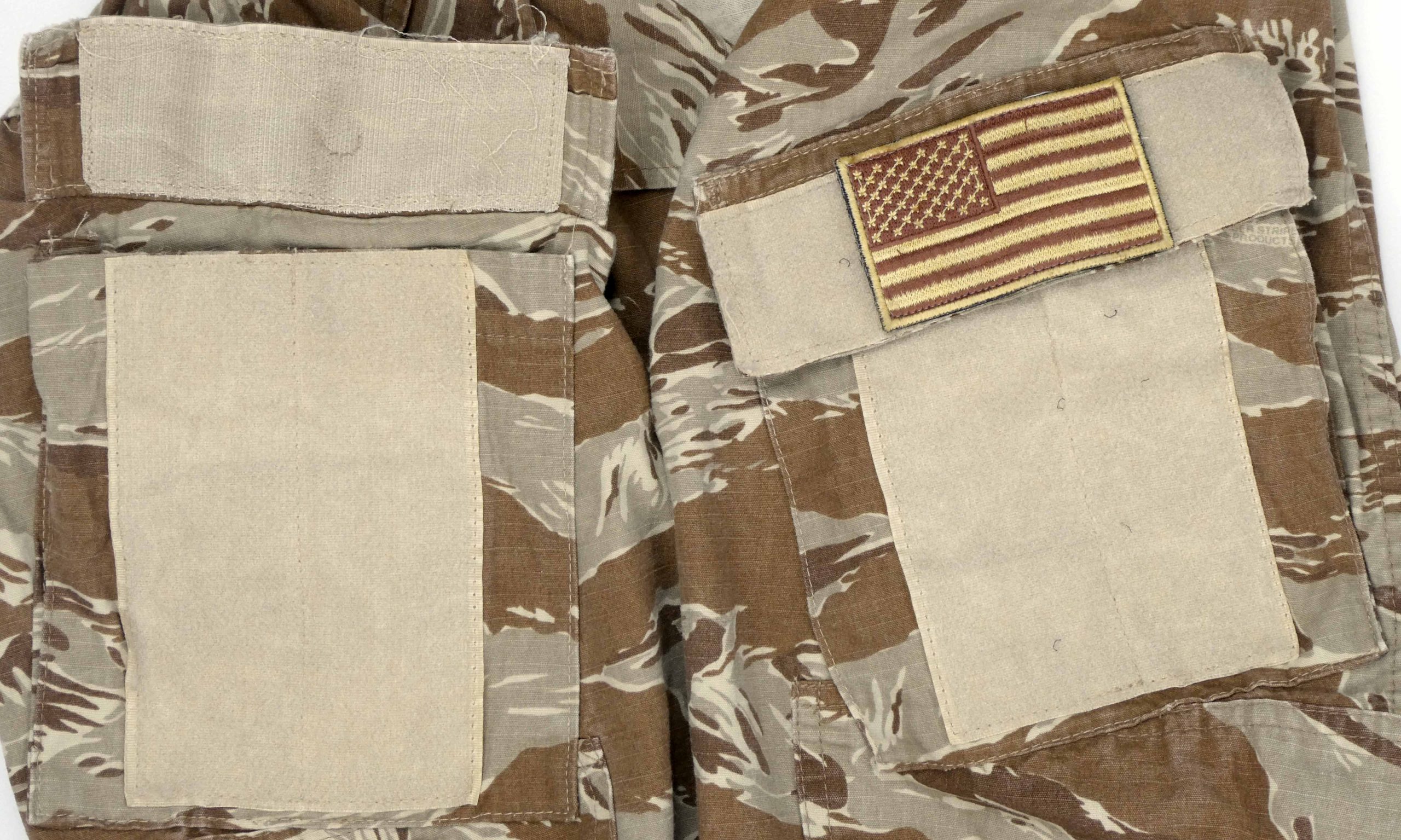
Lower pockets moved to the arms.
Chest Pockets:
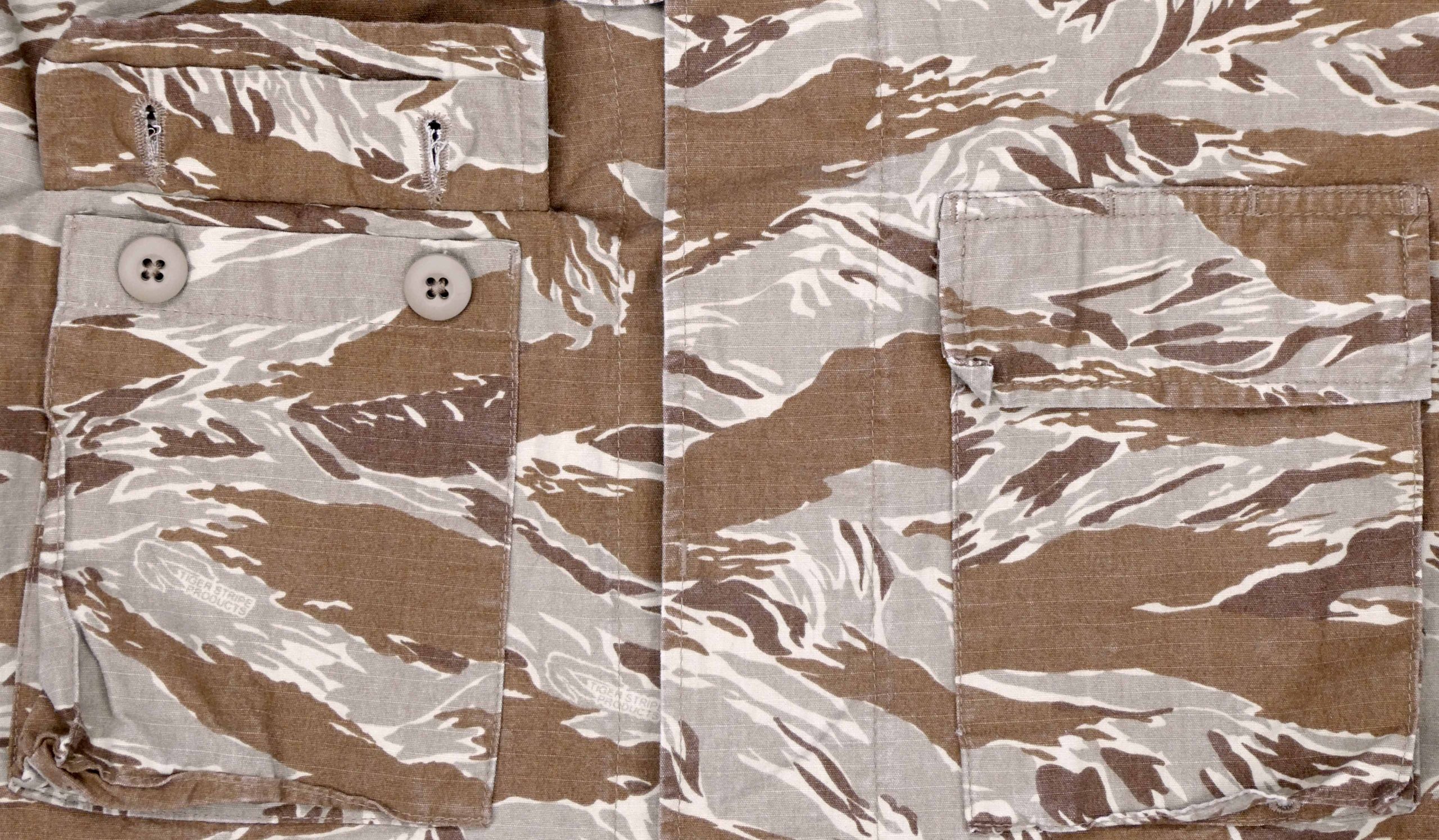
Chest pockets are unmodified.
Cuffs:
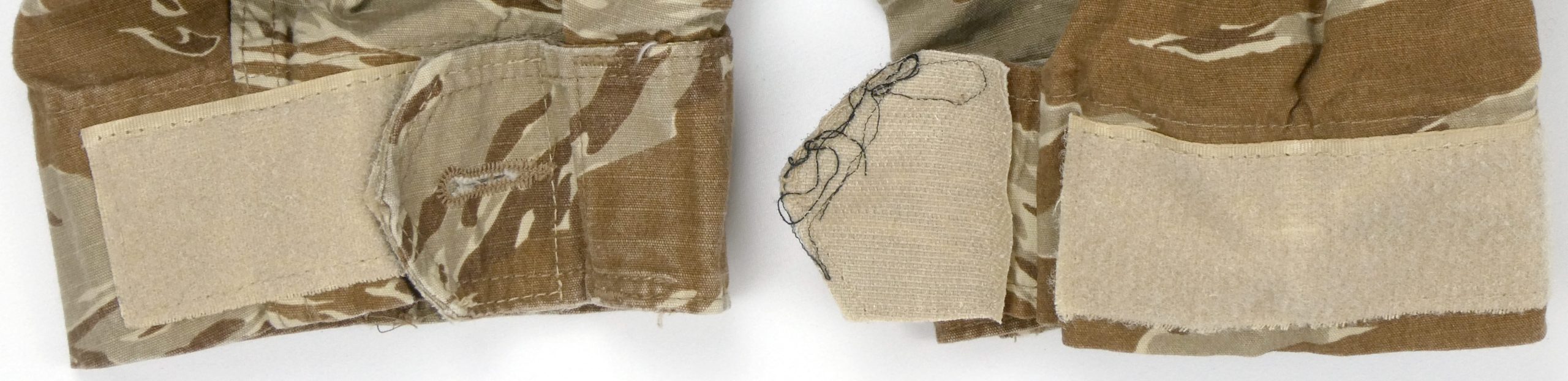
Cuffs had buttons removed and are secured with the same kind of velcro as the arm pockets.
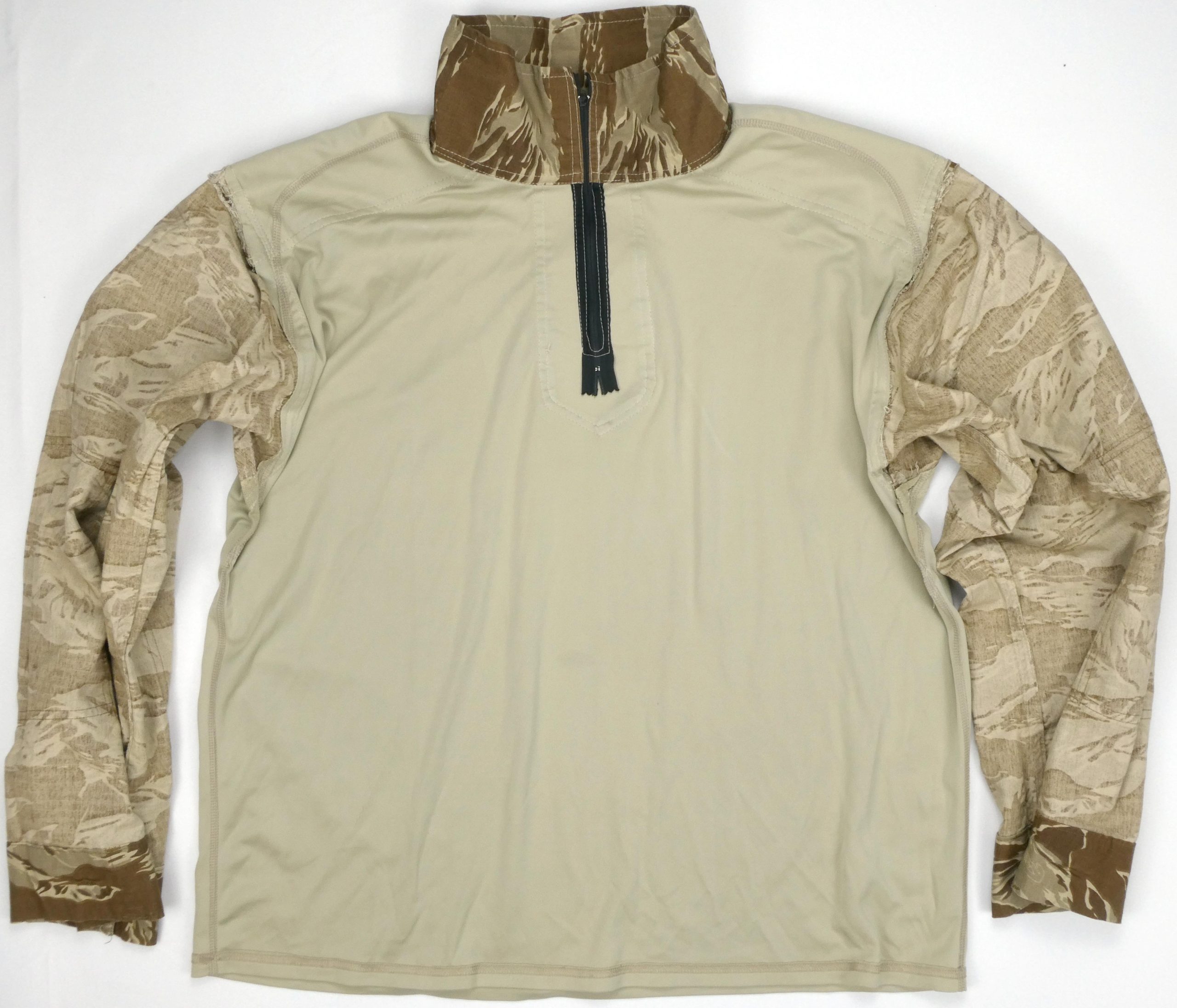
Combat Shirt:
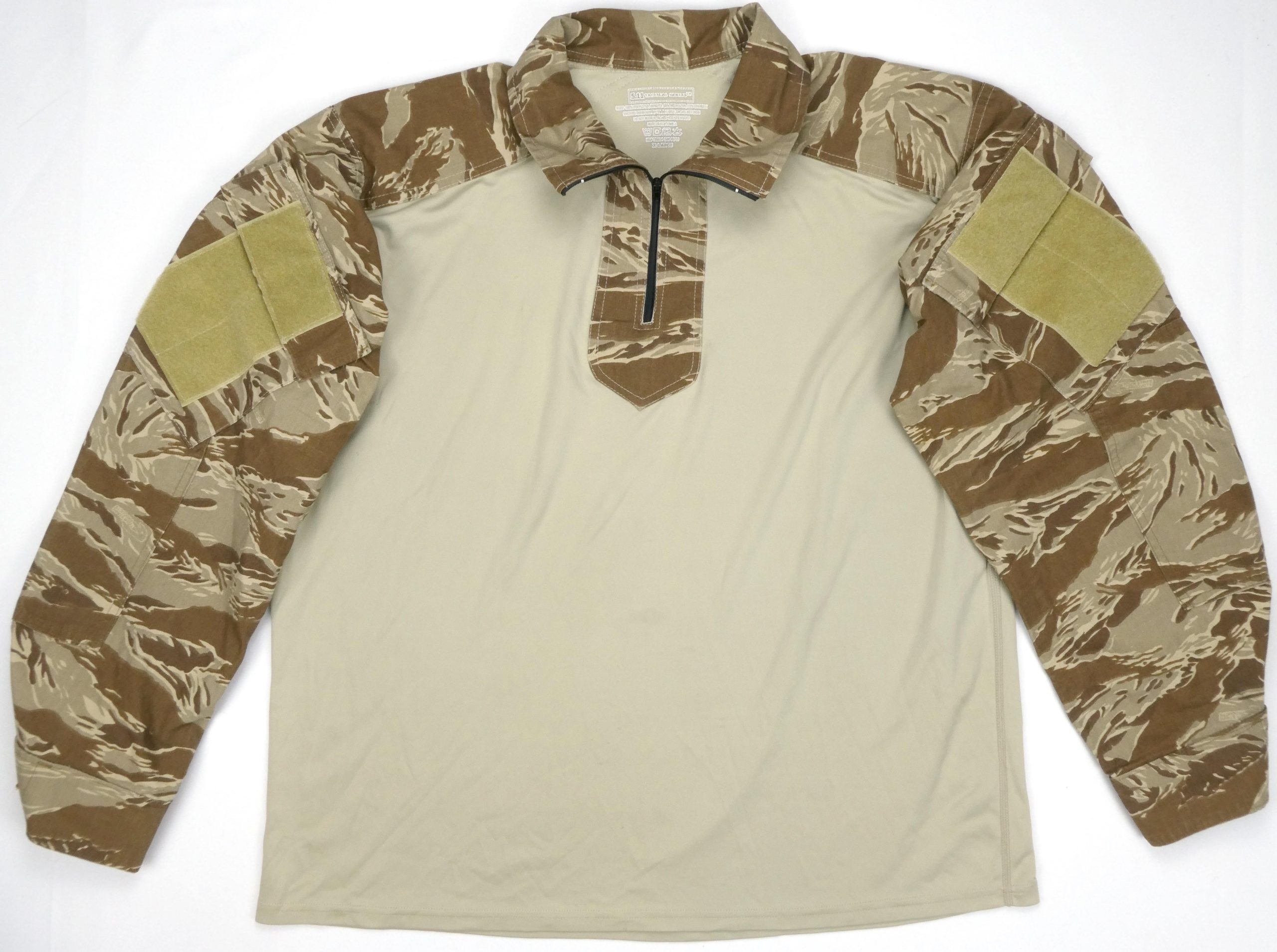
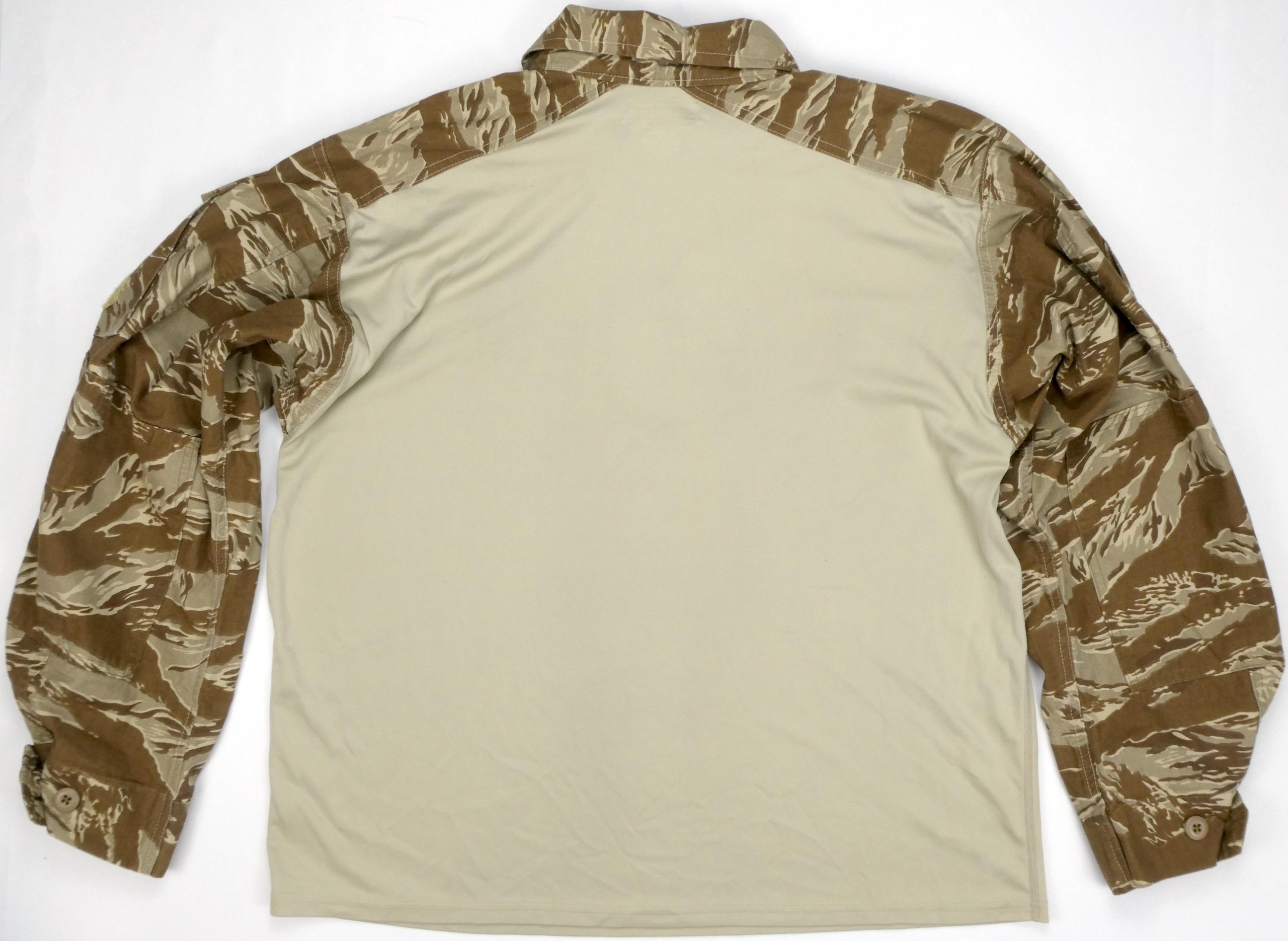
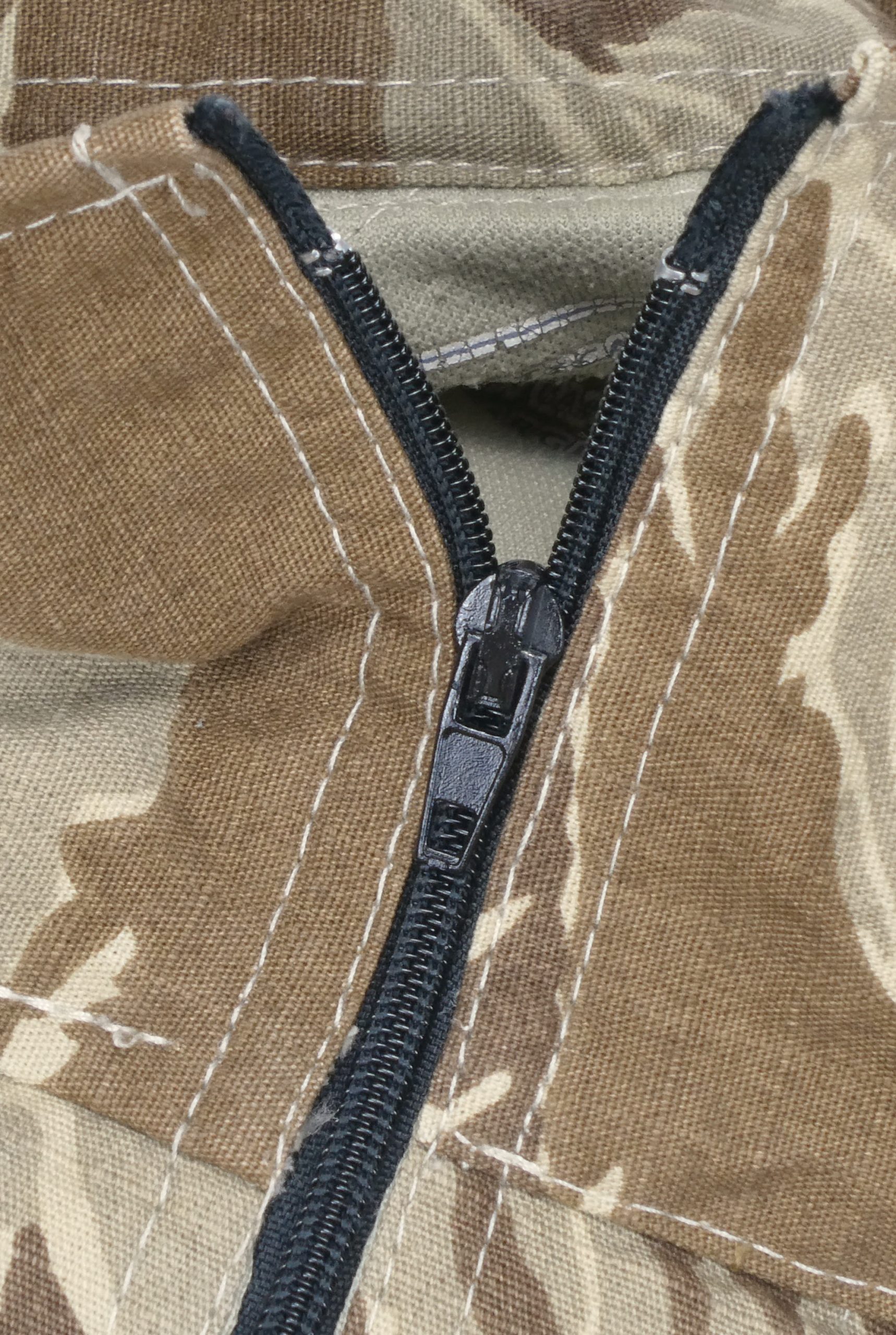
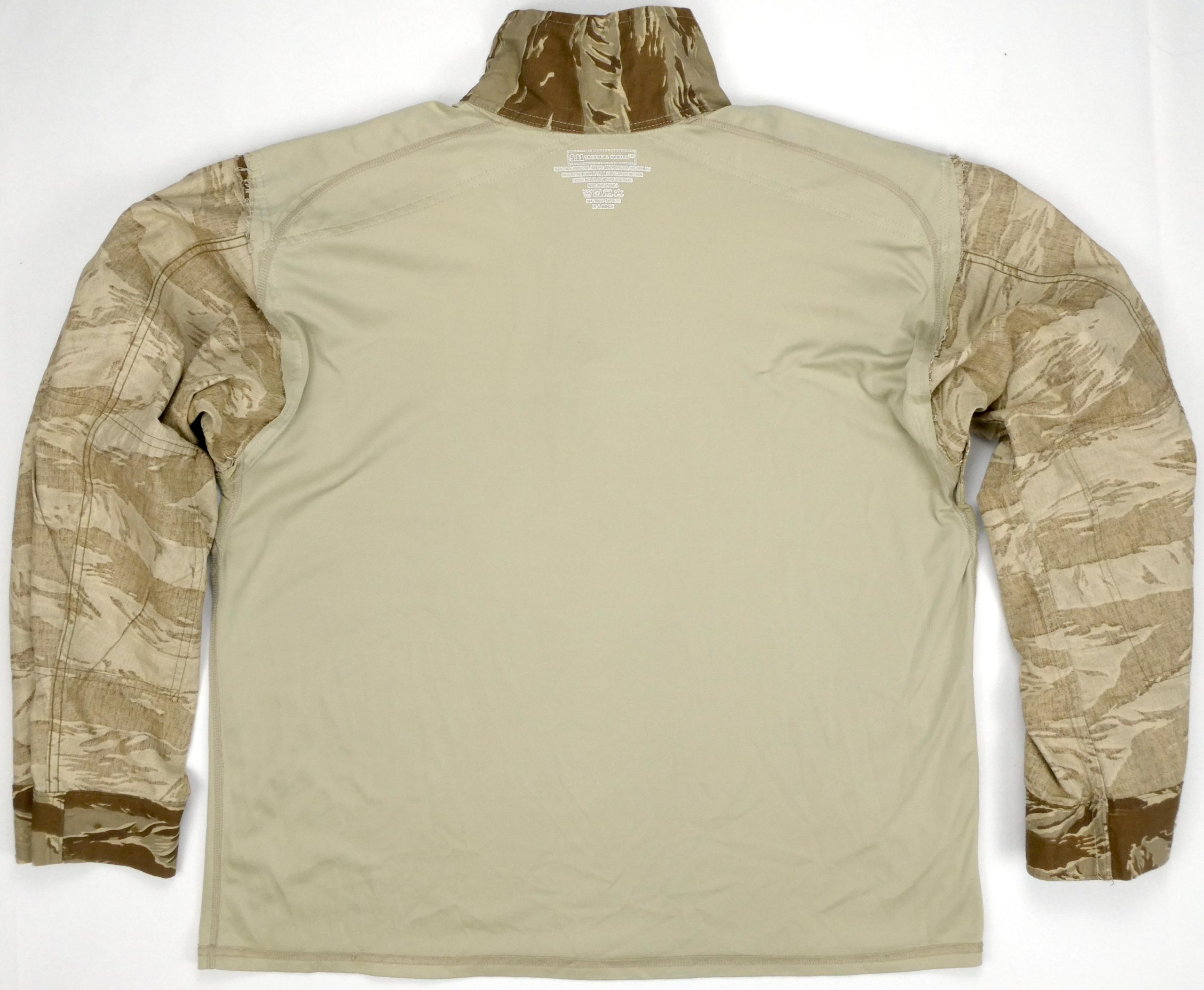
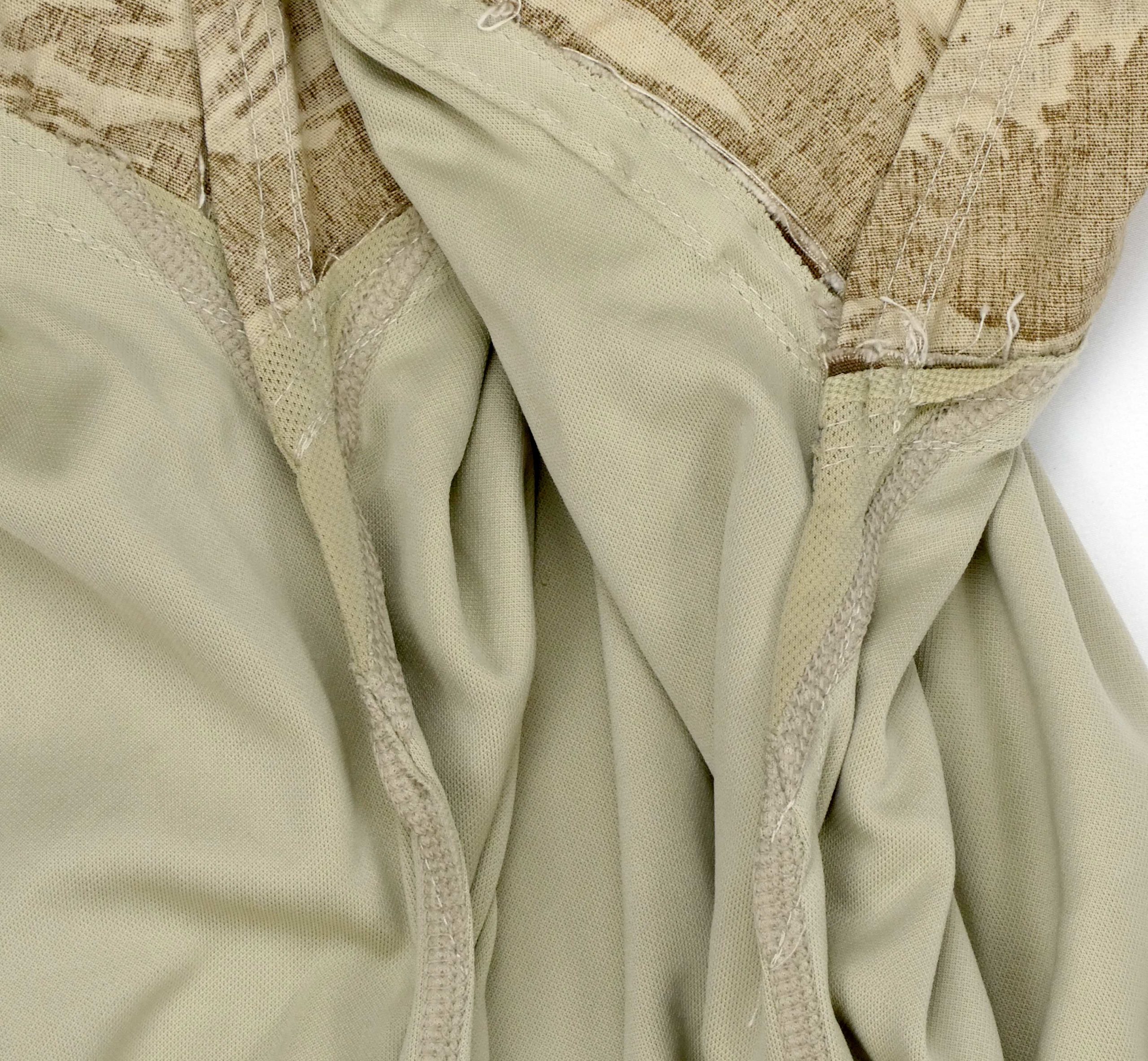
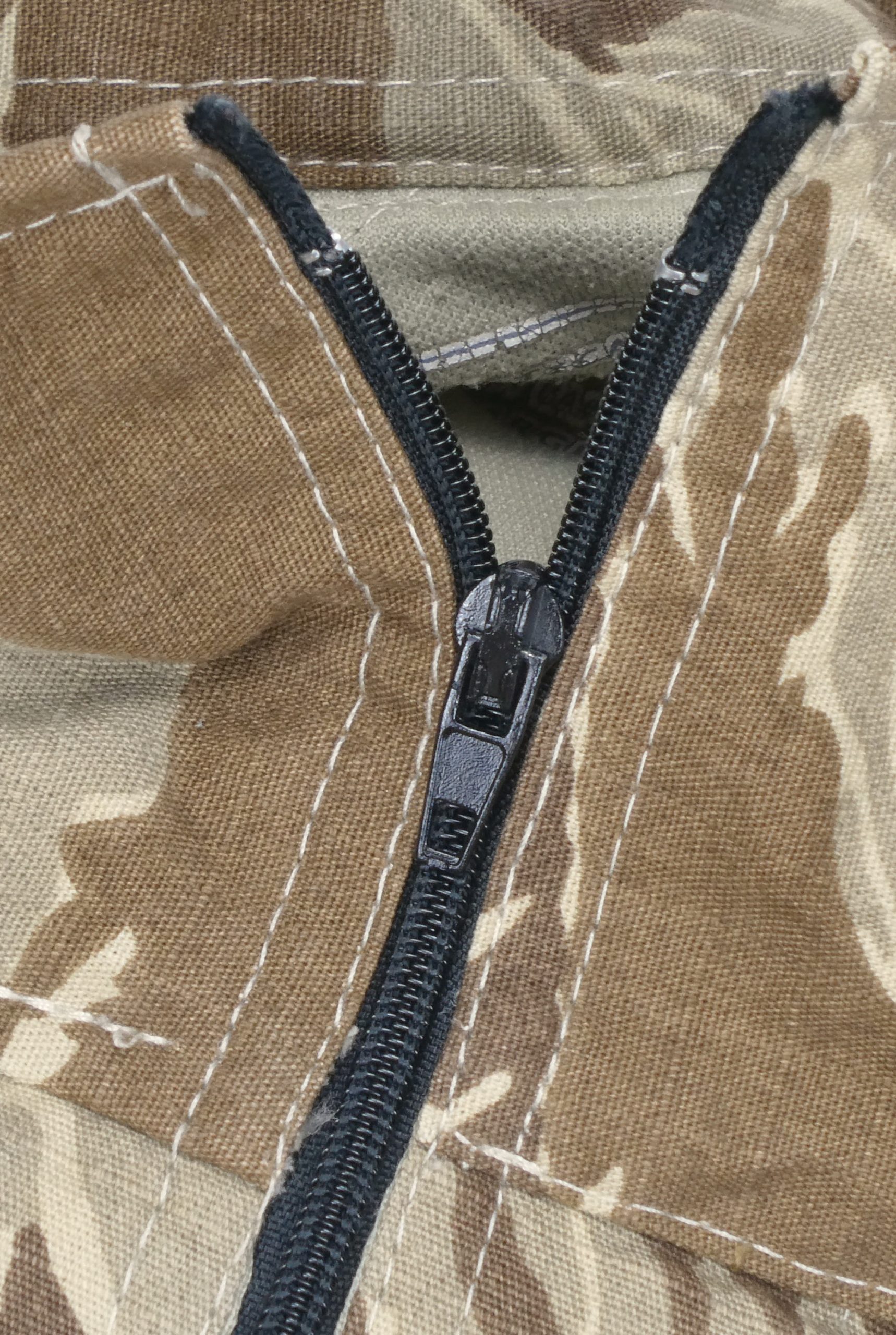
This combat shirt was made by attaching the collar and arms of a modified desert tiger BDU to the elastic torso of a 5.11 Tactical branded shirt.
Arm Pockets:
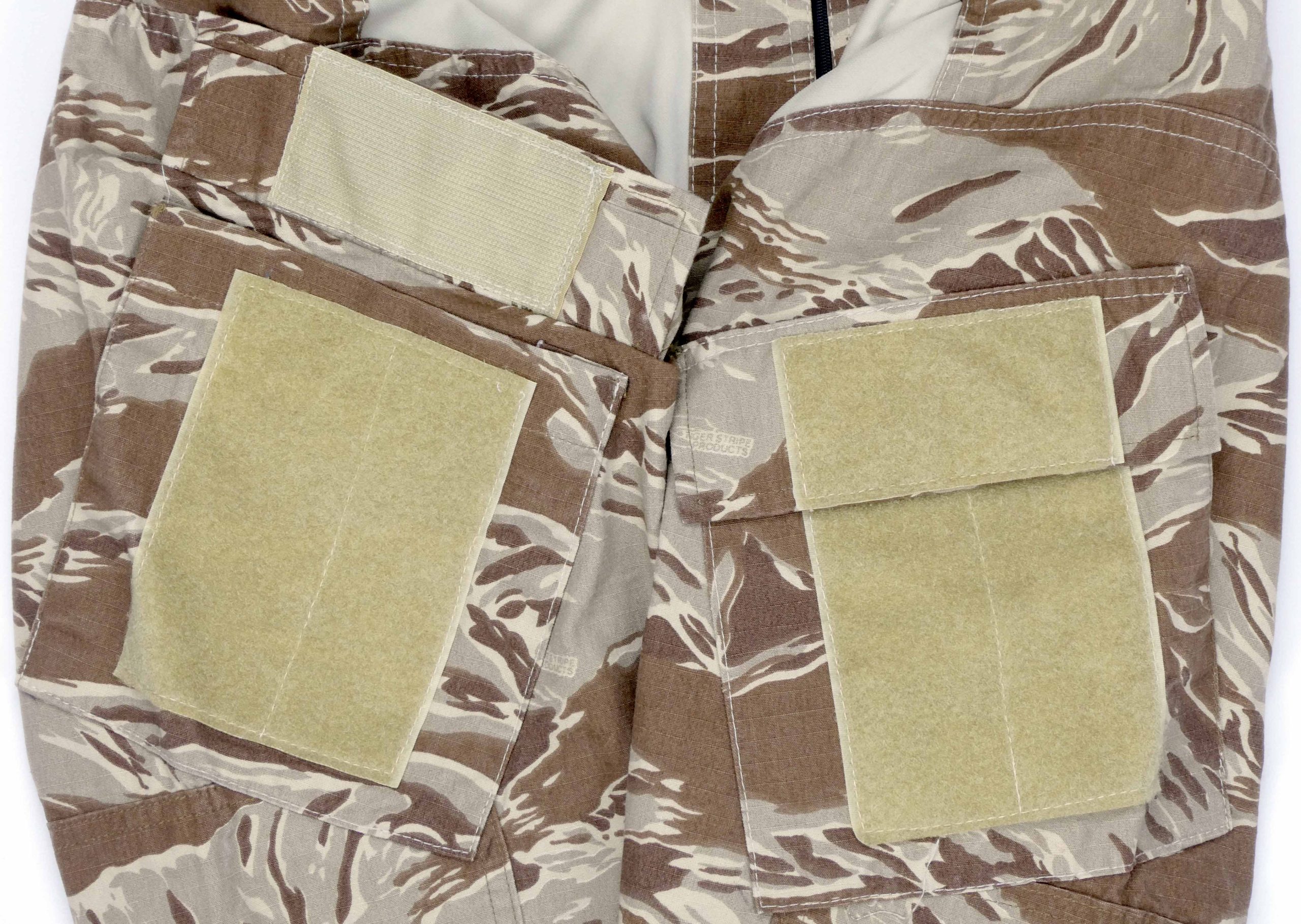
Zipper:
Inside:
Stamp:
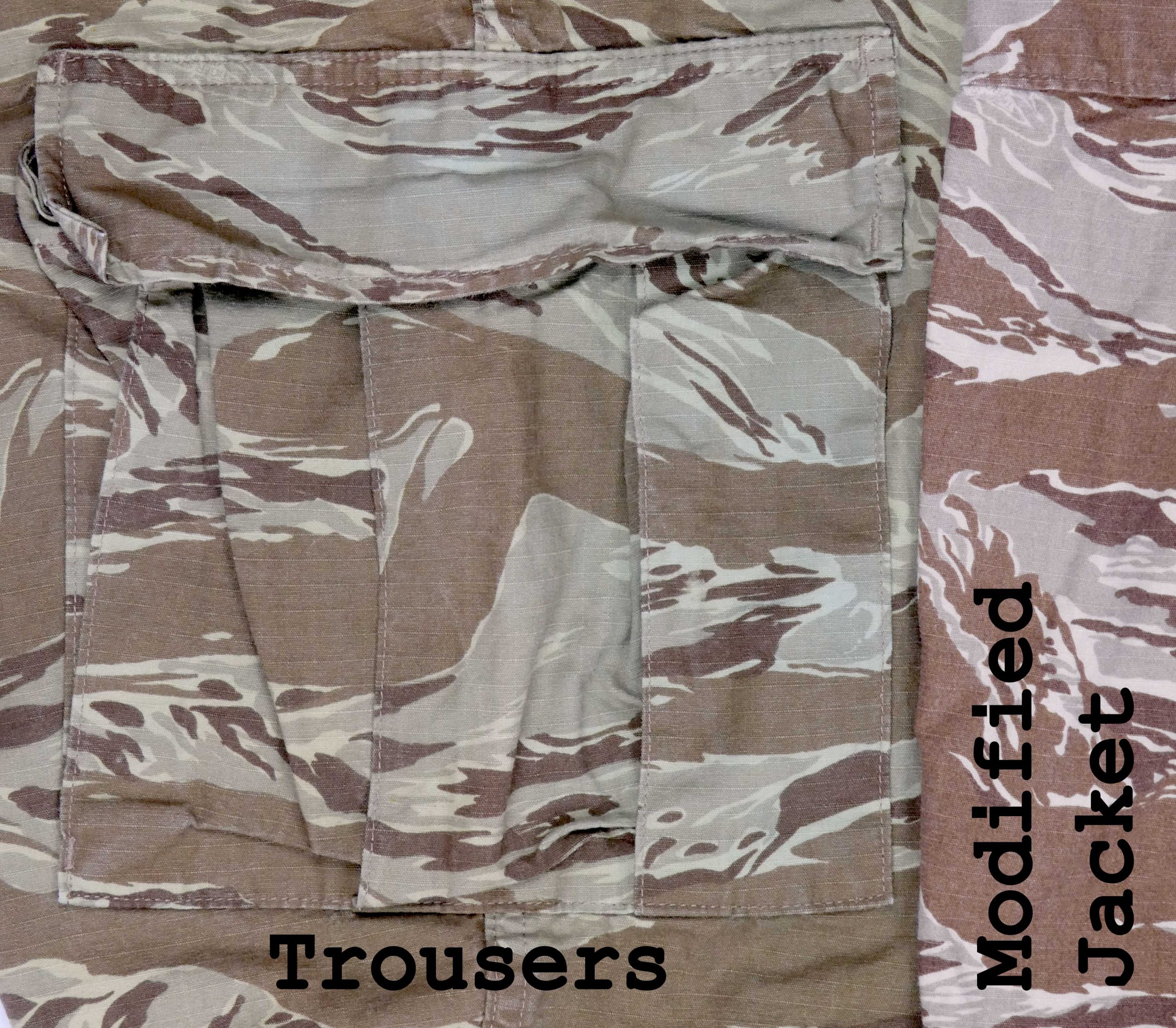
Dyed Trousers:
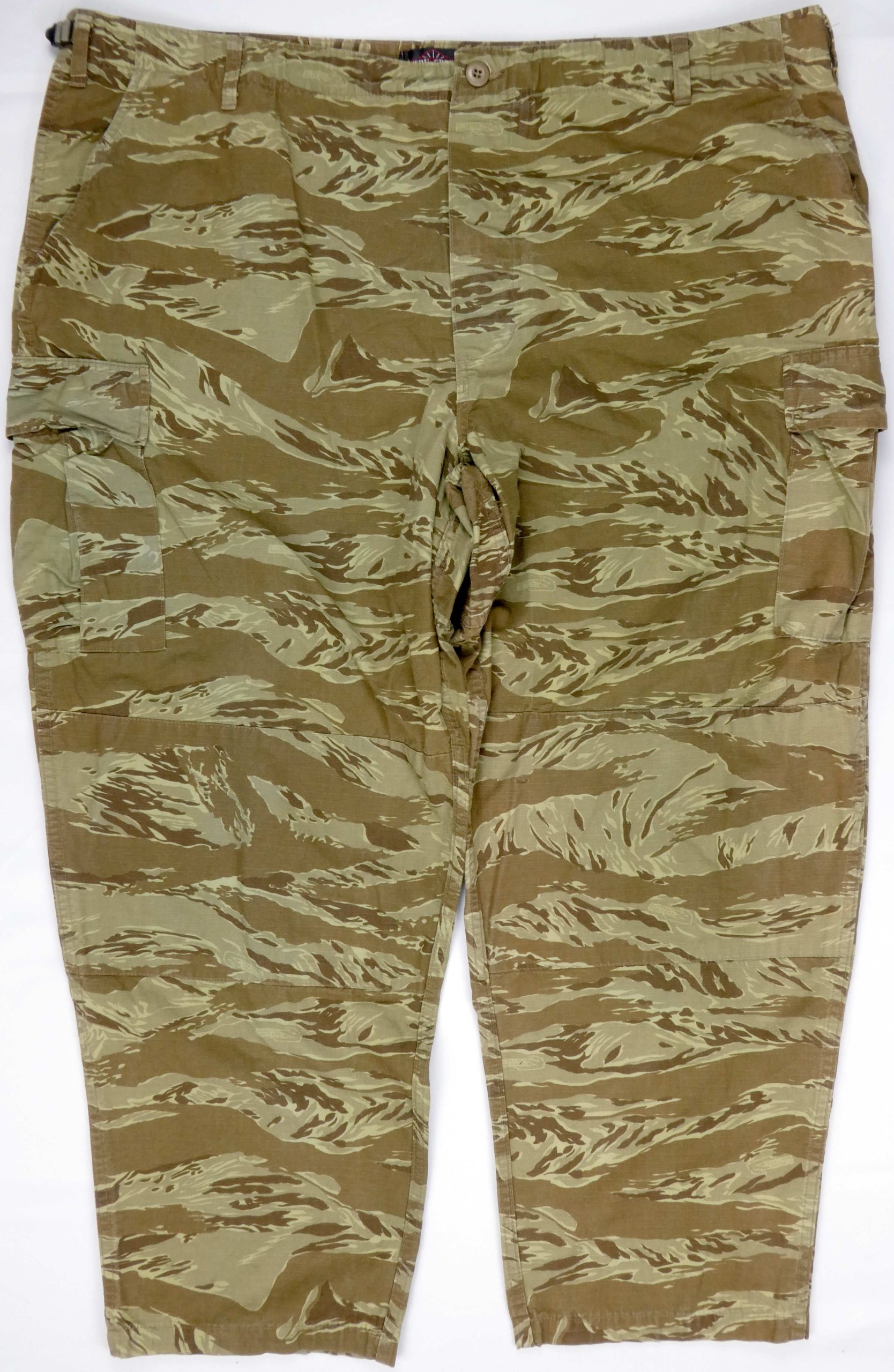
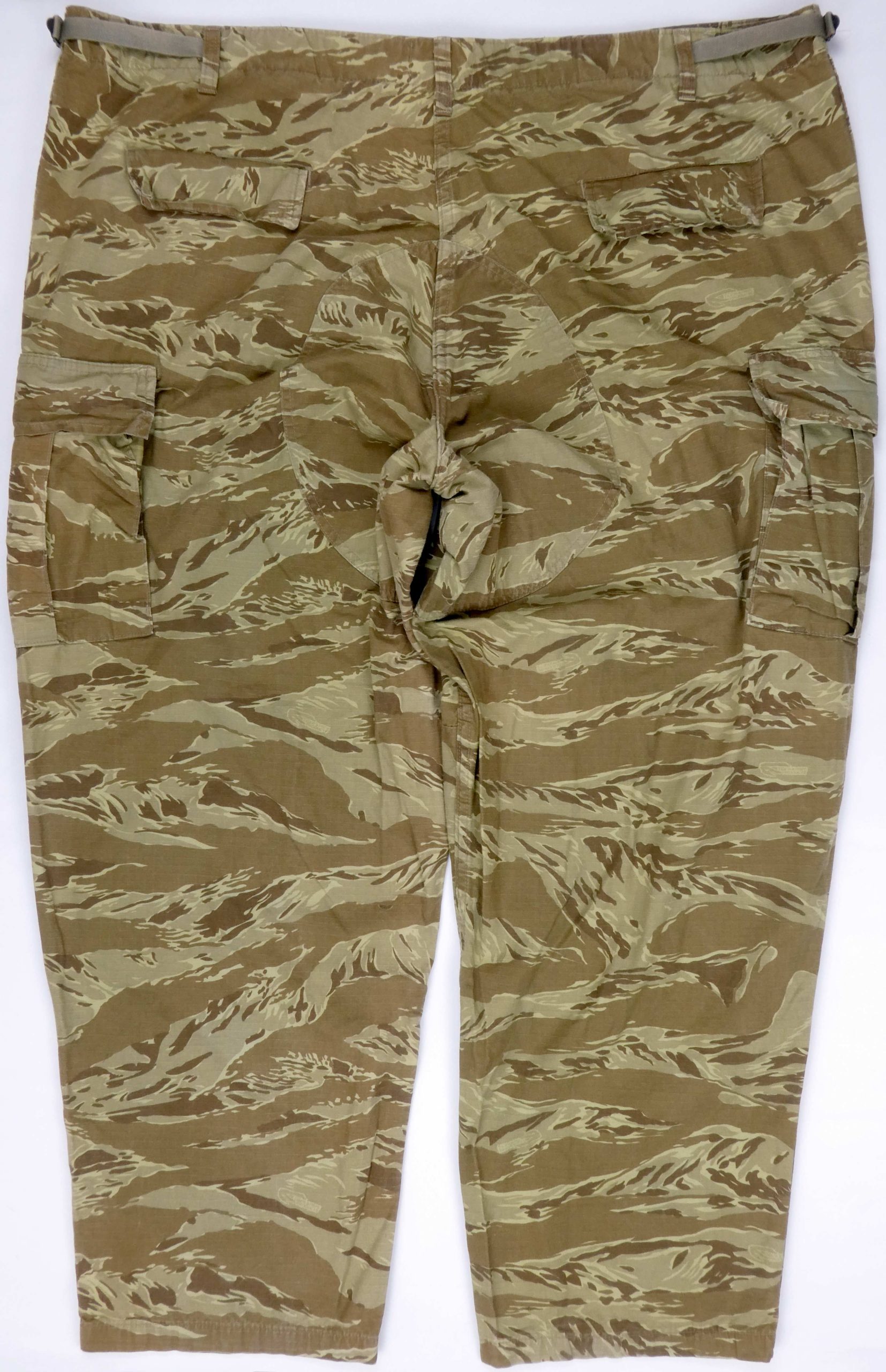
These BDU cut trousers were overdyed with black dye that is either heavily faded or did not stick well to the cotton fabric. Assuming actual military use, this could indicate actual Special Operations [11] or OPFOR use [12][13].
Tags:
Cargo Pocket:
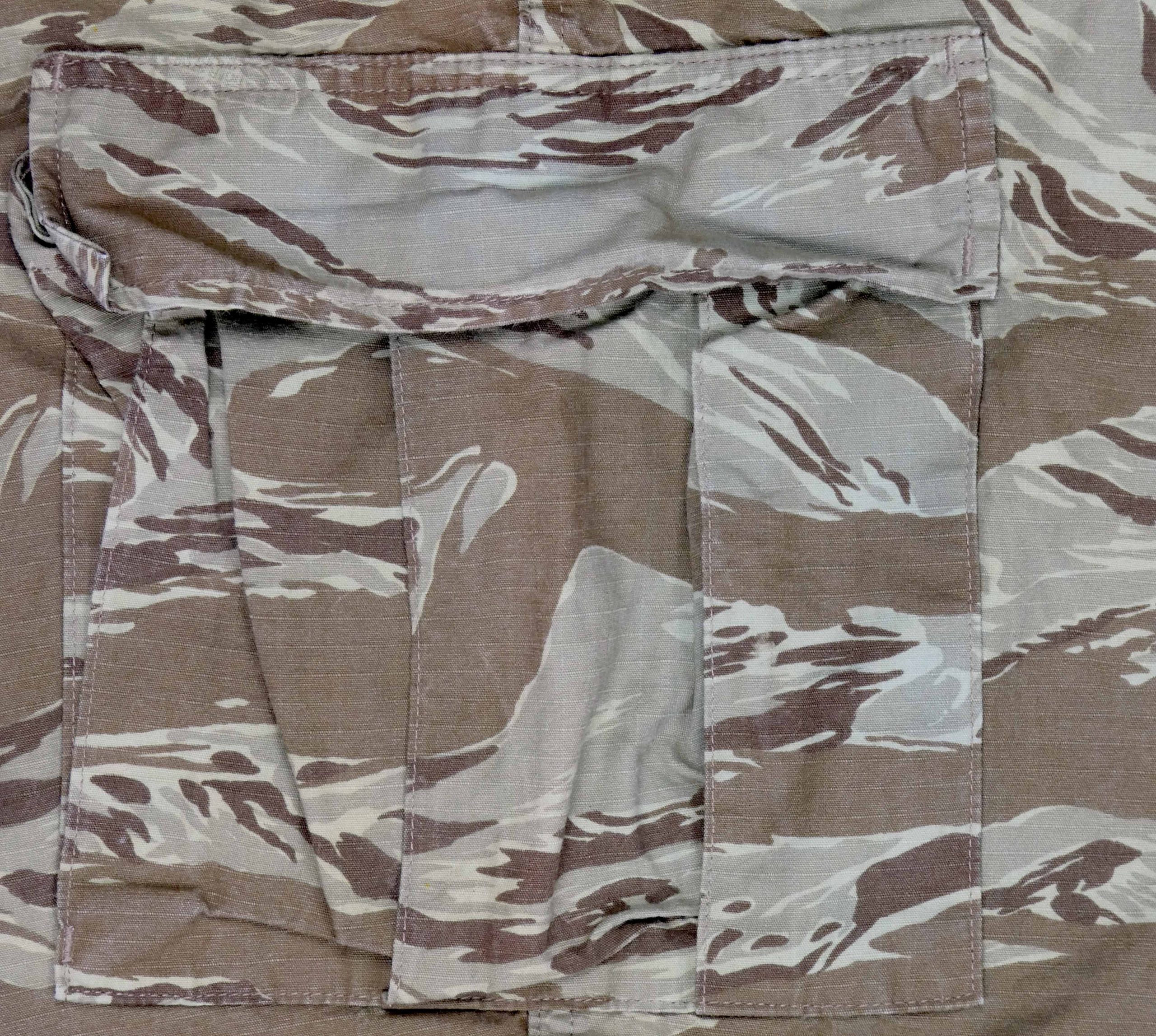
Color Comparison:
Sling (2010’s?):
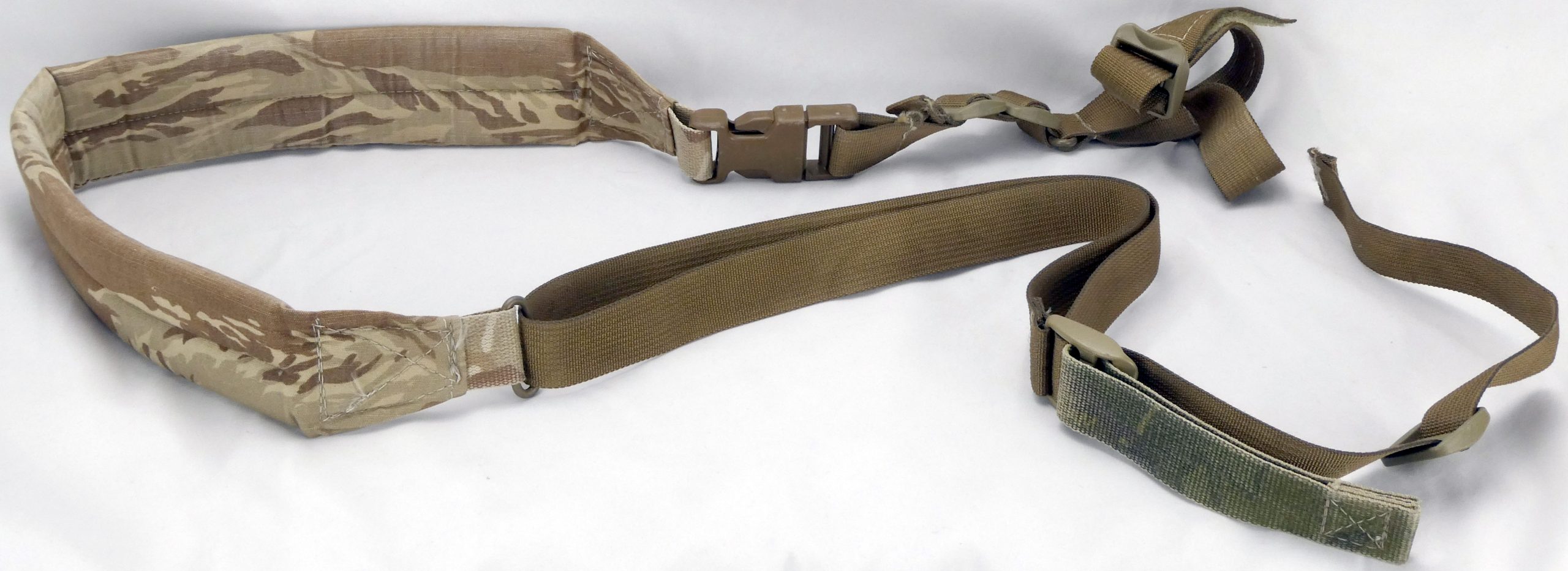

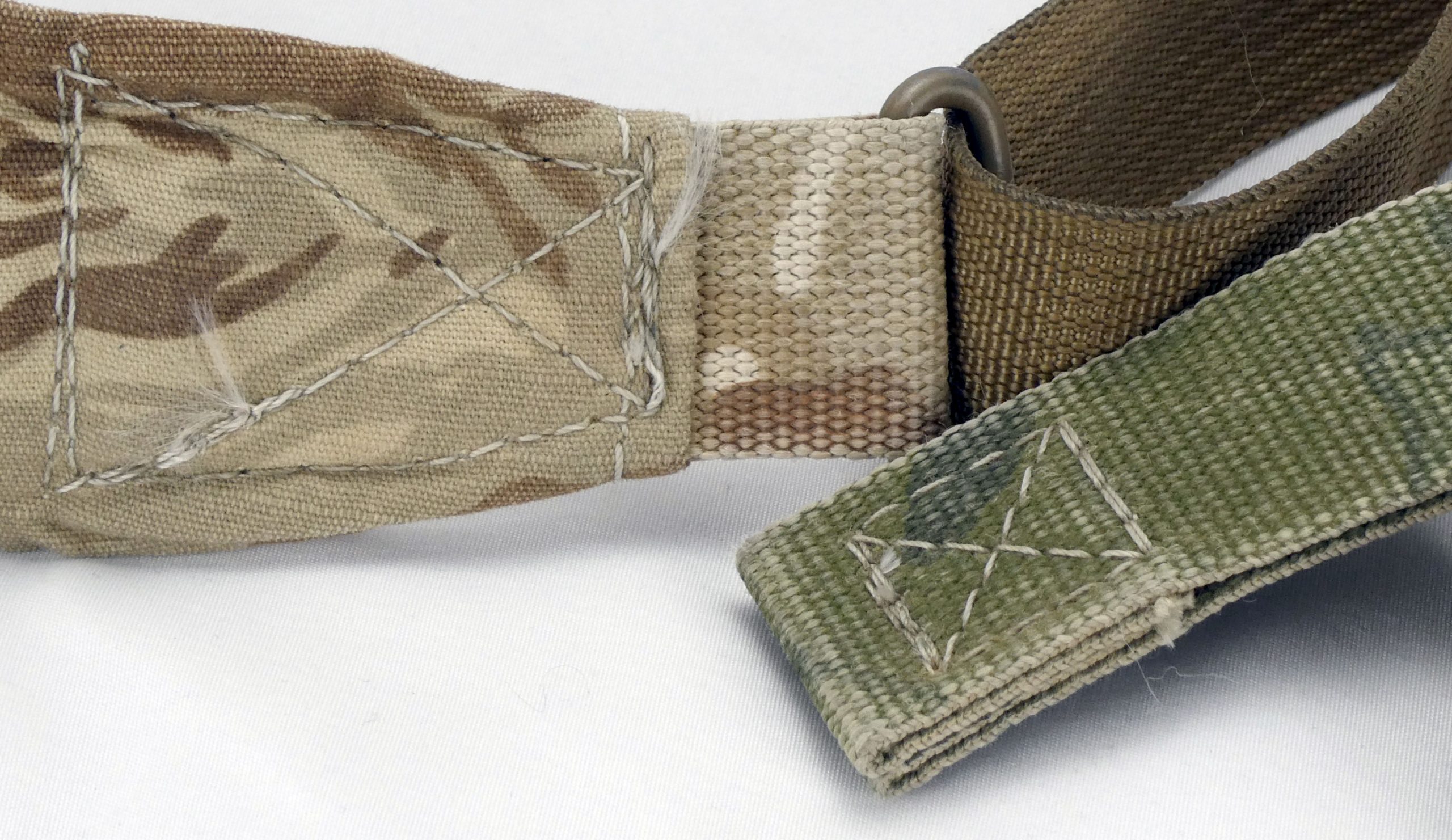
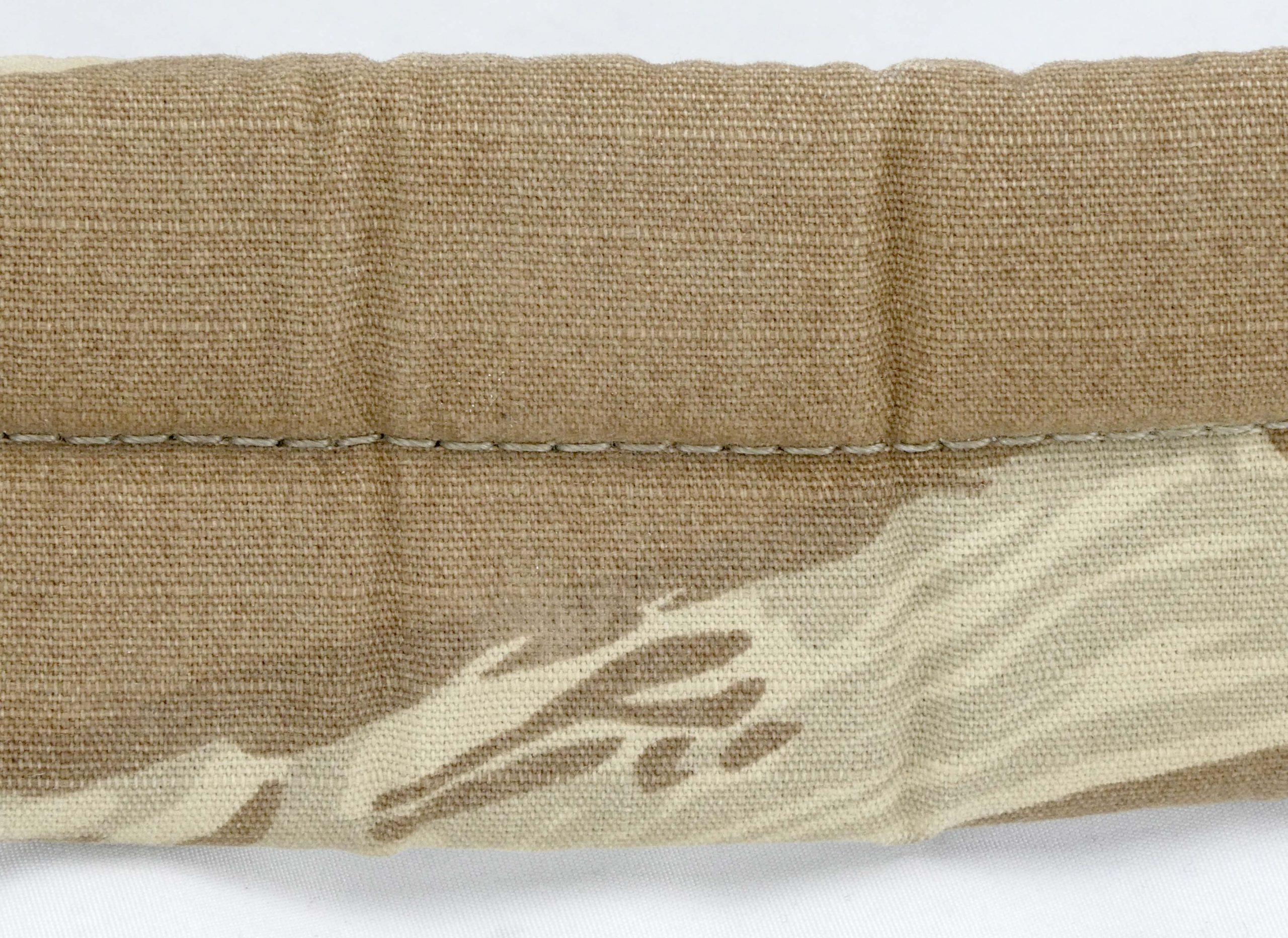
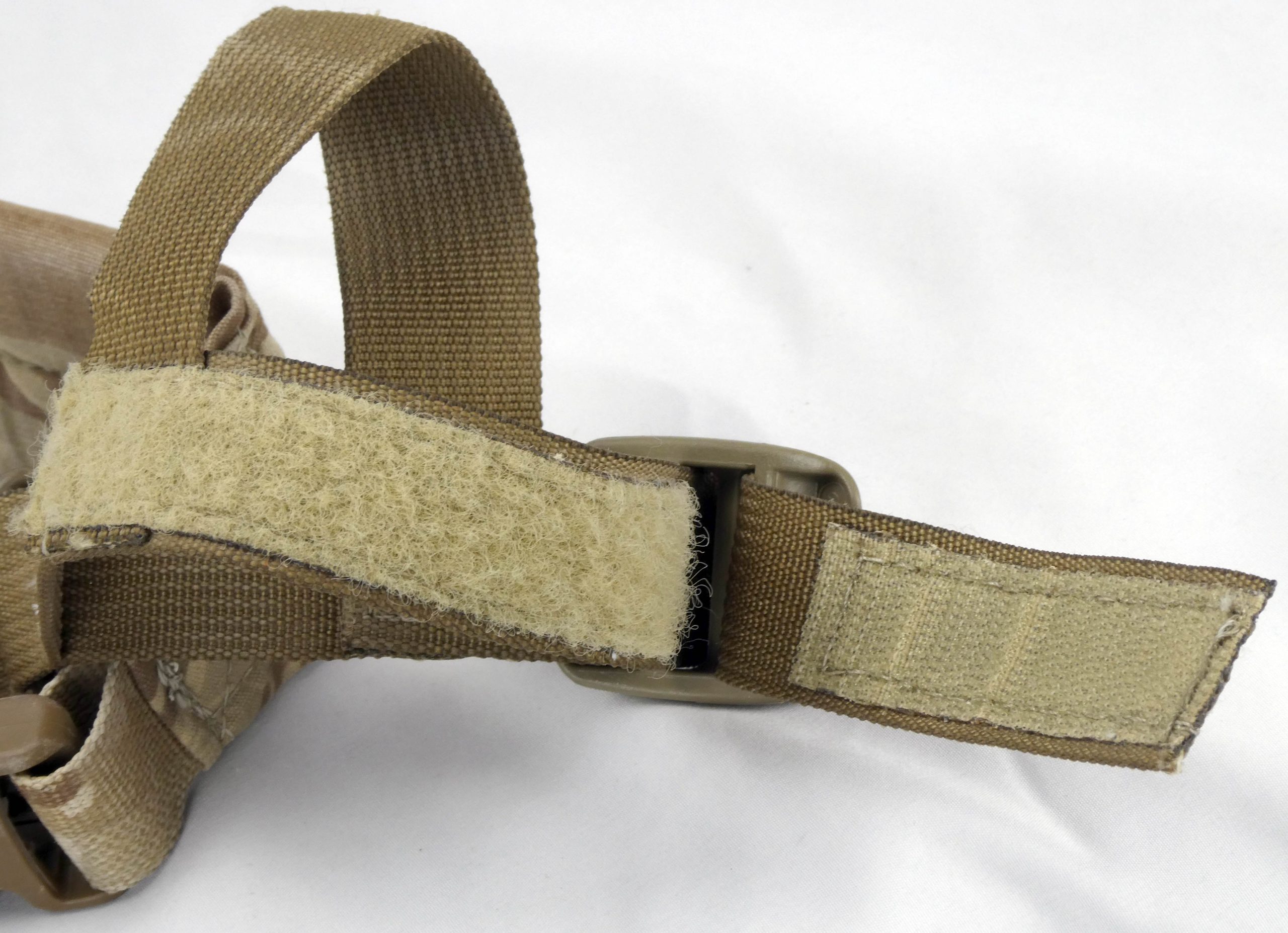
This sling was likely made in-theater out of fabric from a desert tiger stripe uniform and parts salvaged from other US-made items.
Material:
Buckles:
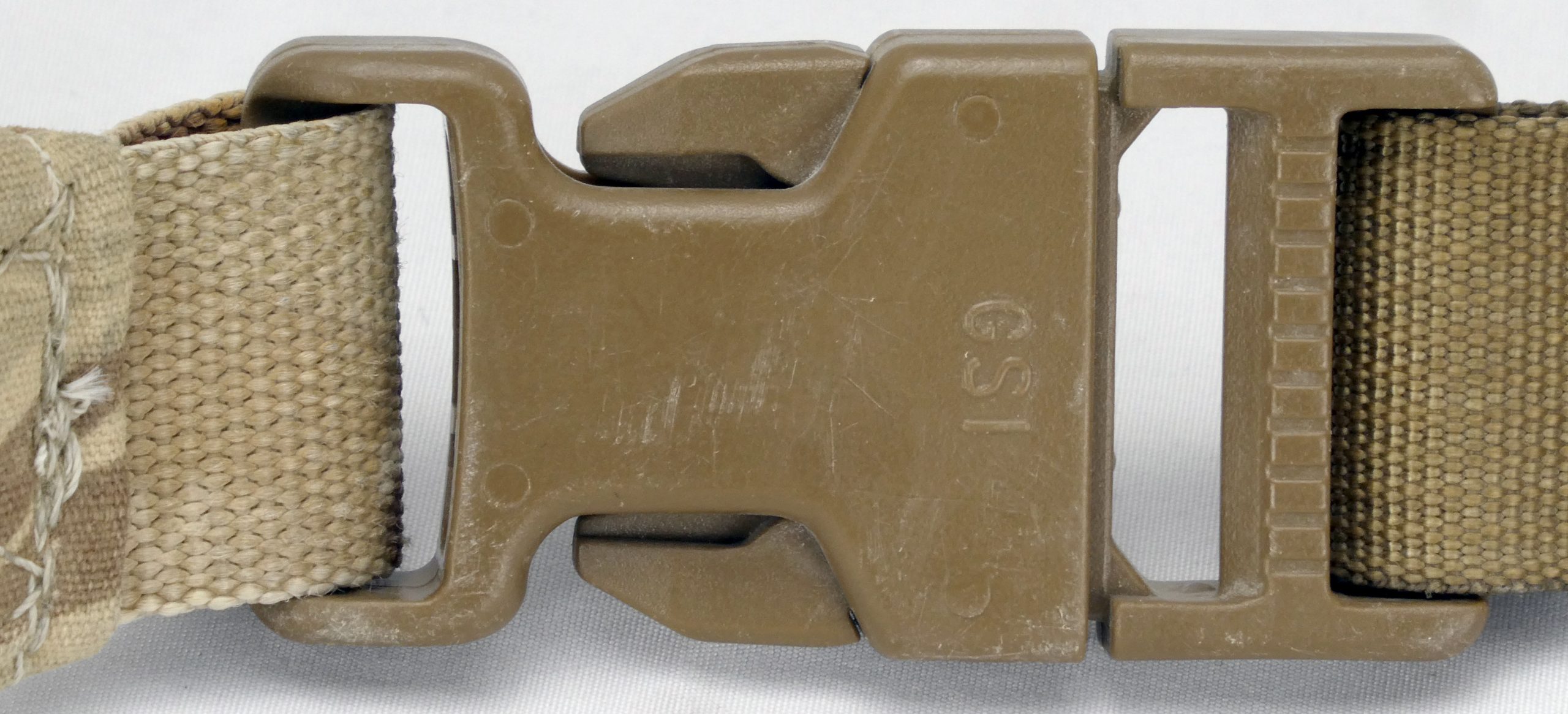
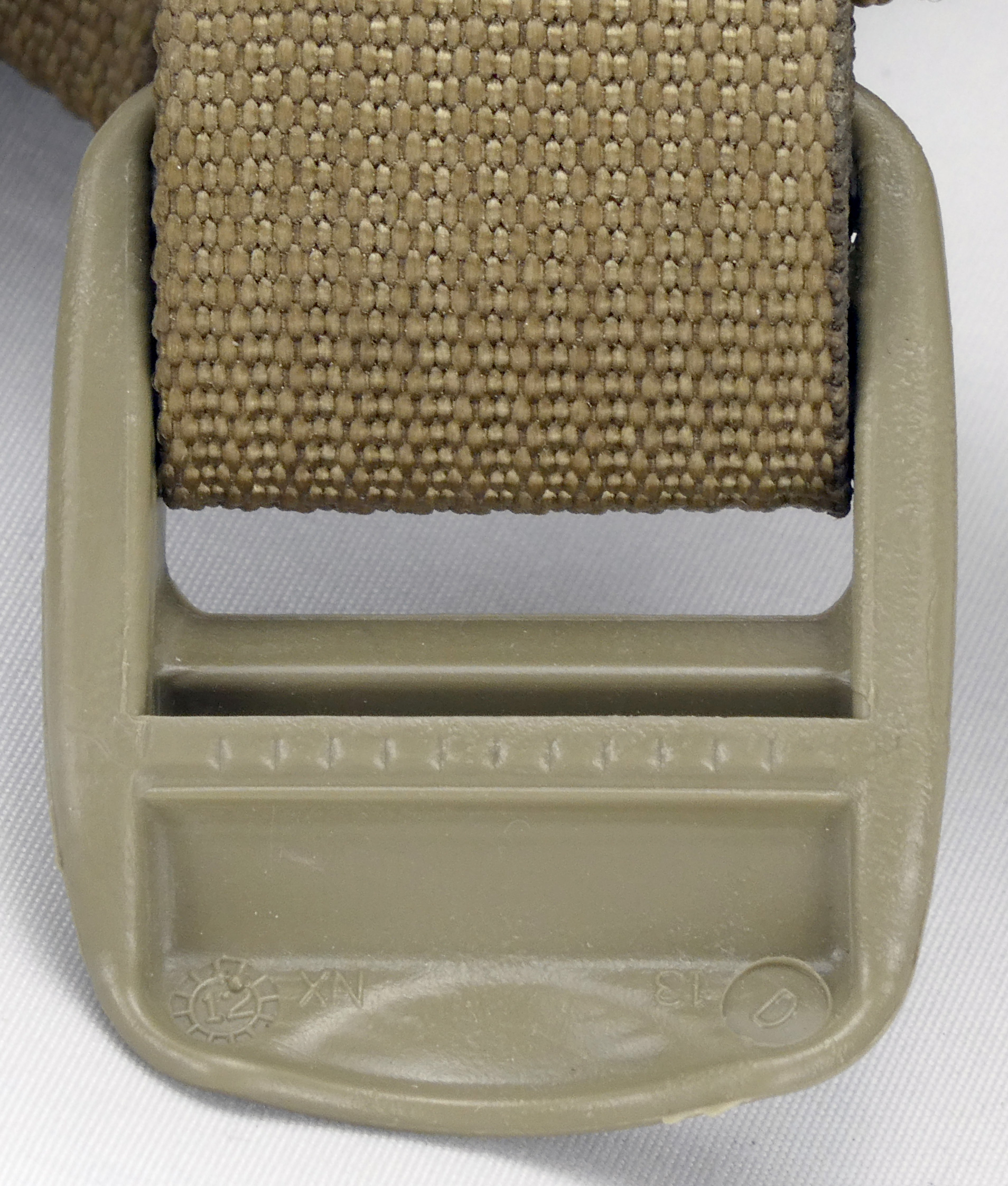
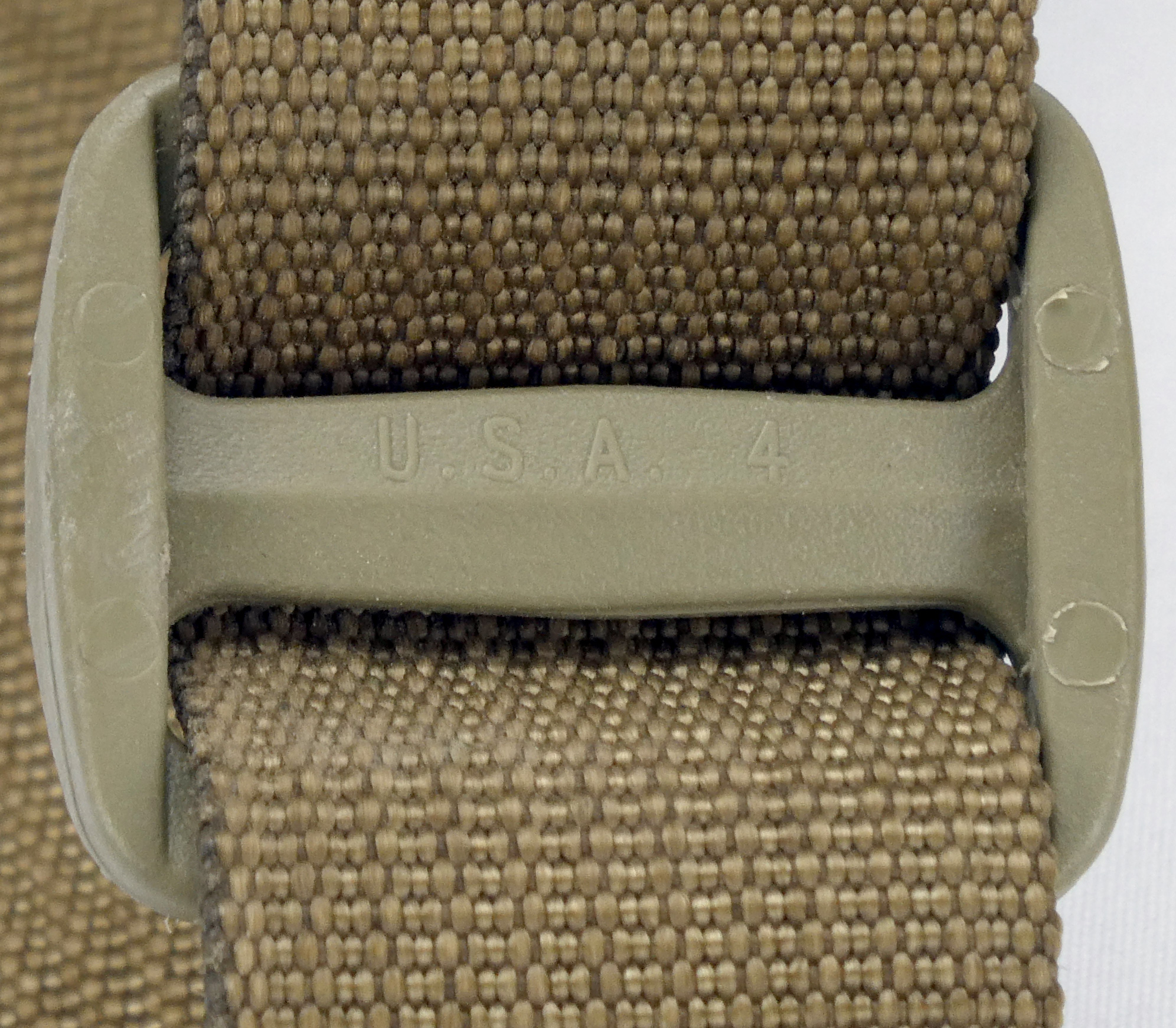
All buckles are US-made.
Usage Photos:
Afghan NDS Zero Units:
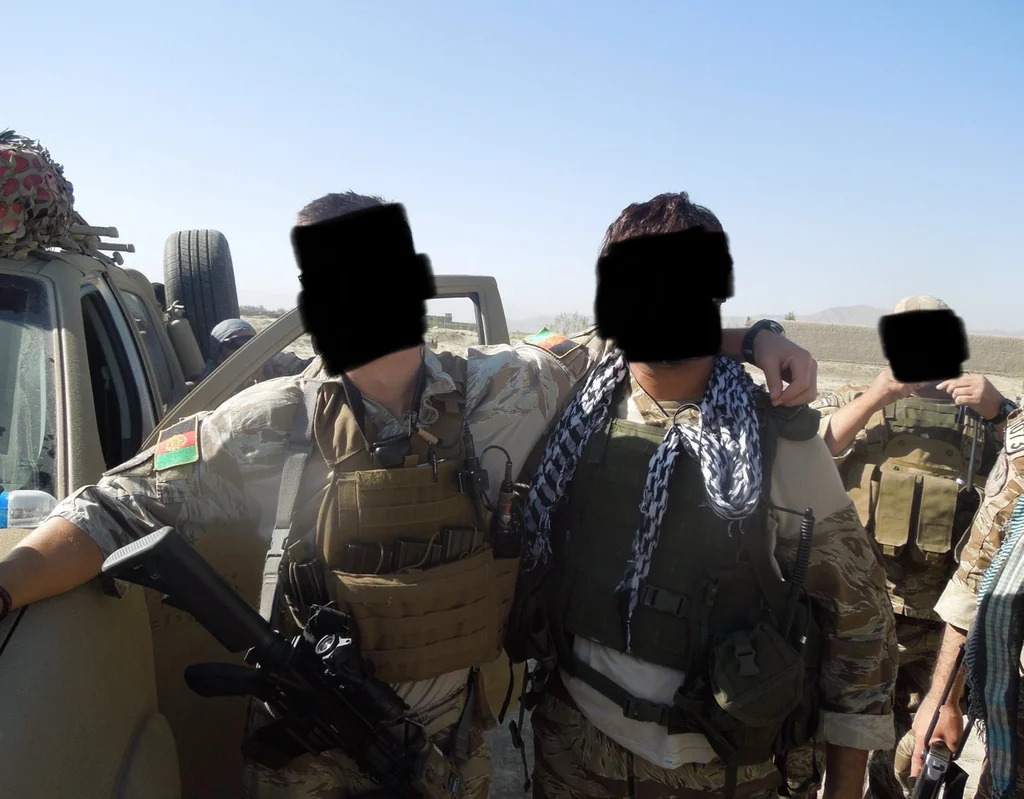
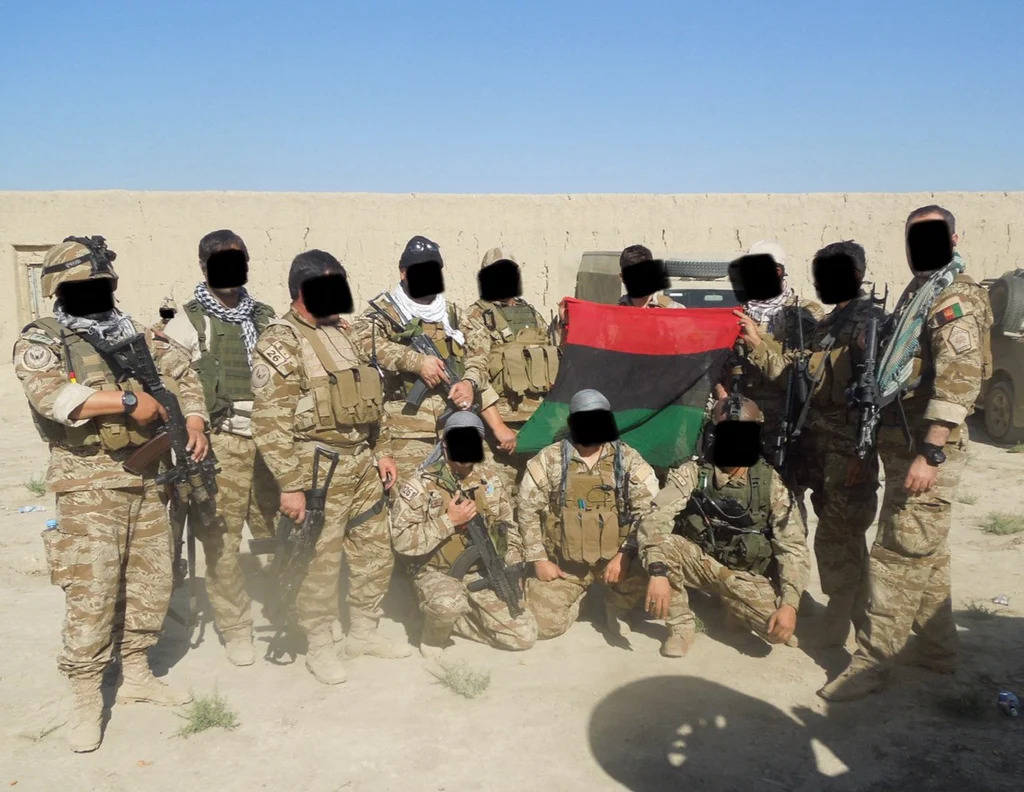
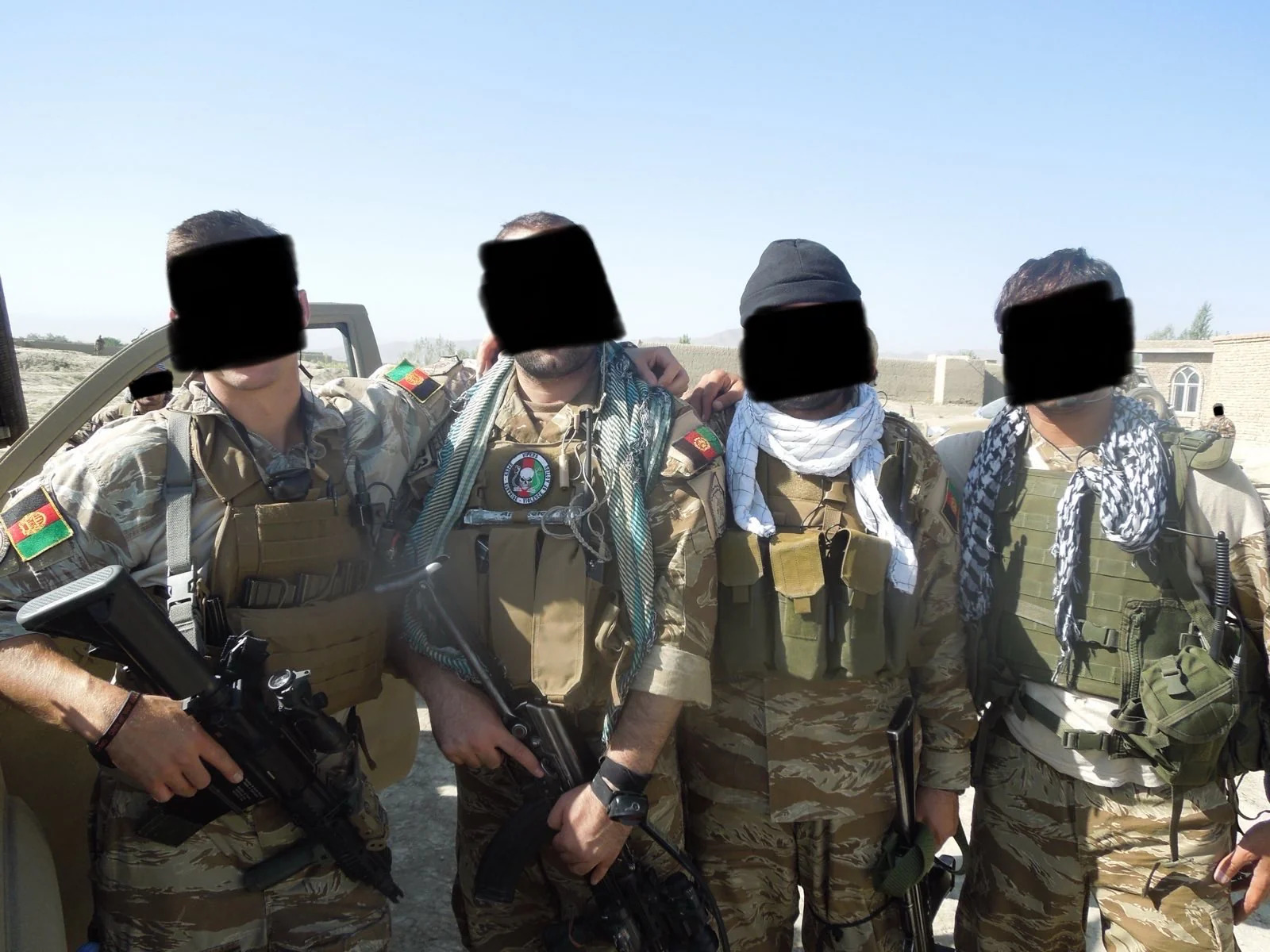
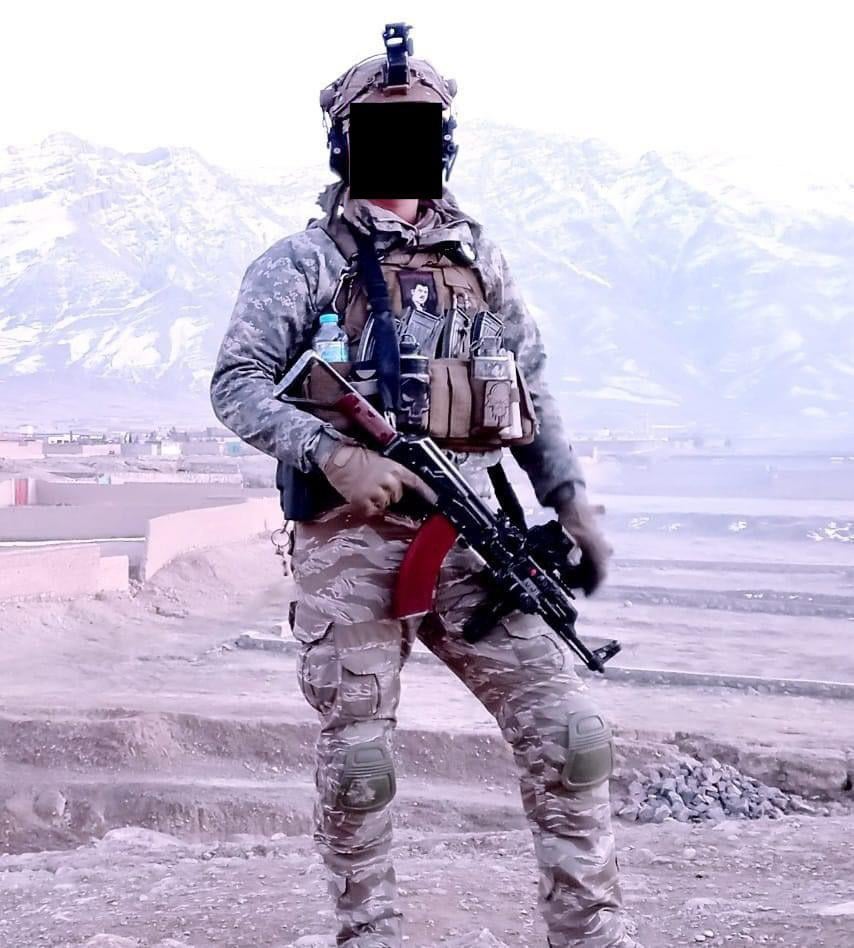
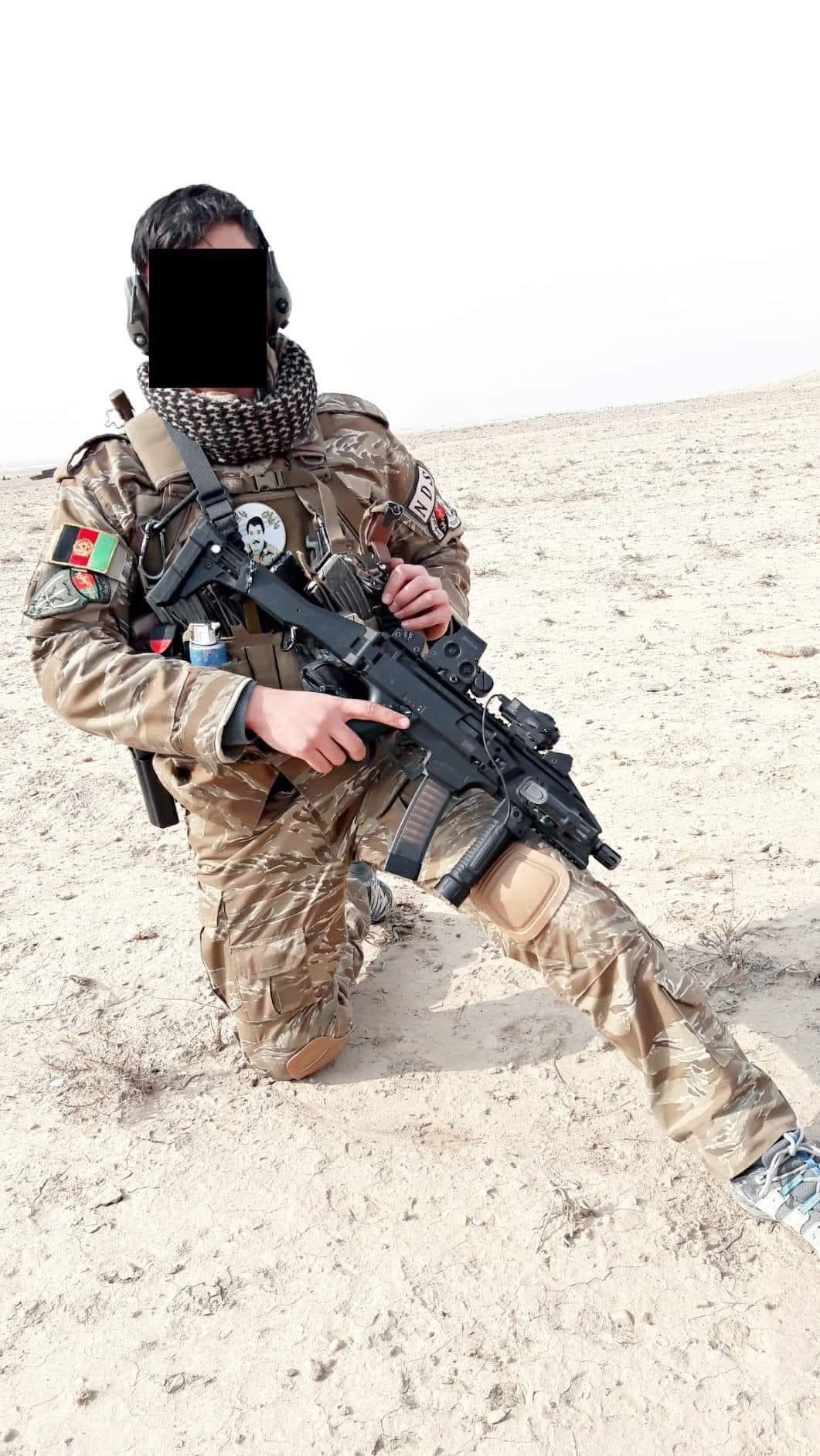
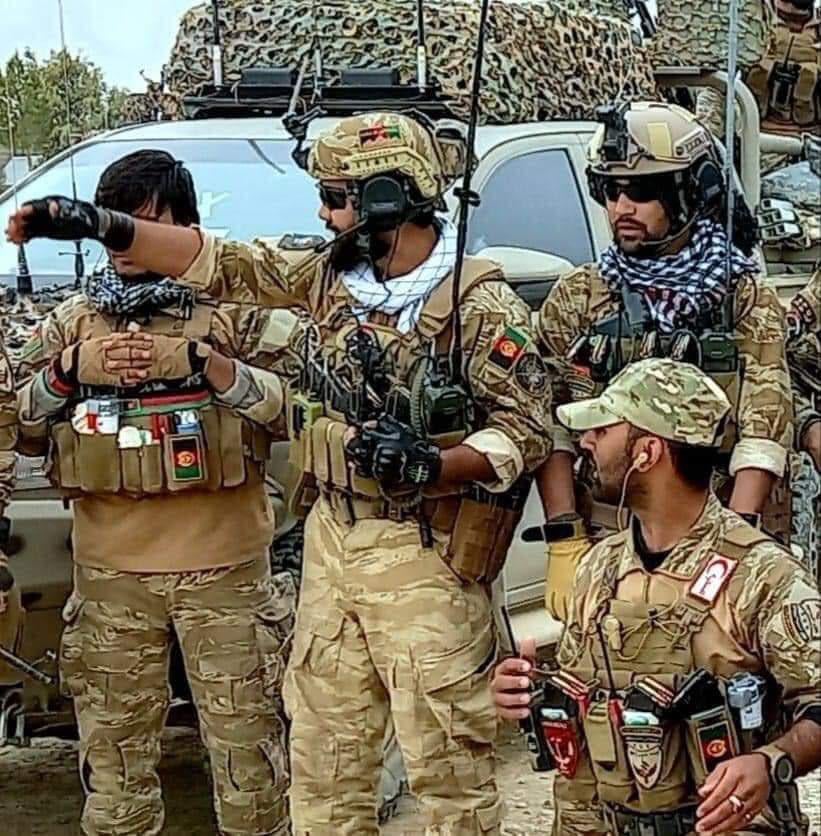
CIA:
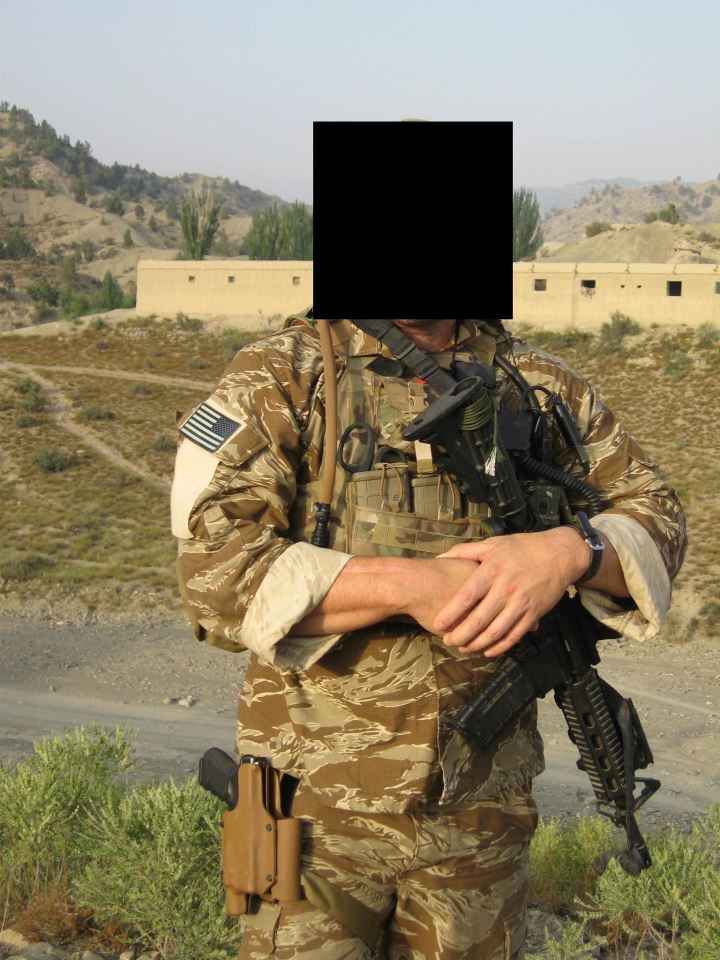
US Army Rangers:
US Army Special Forces:
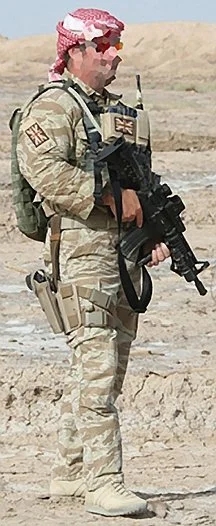
British Special Forces:
Green Tiger Stripe:
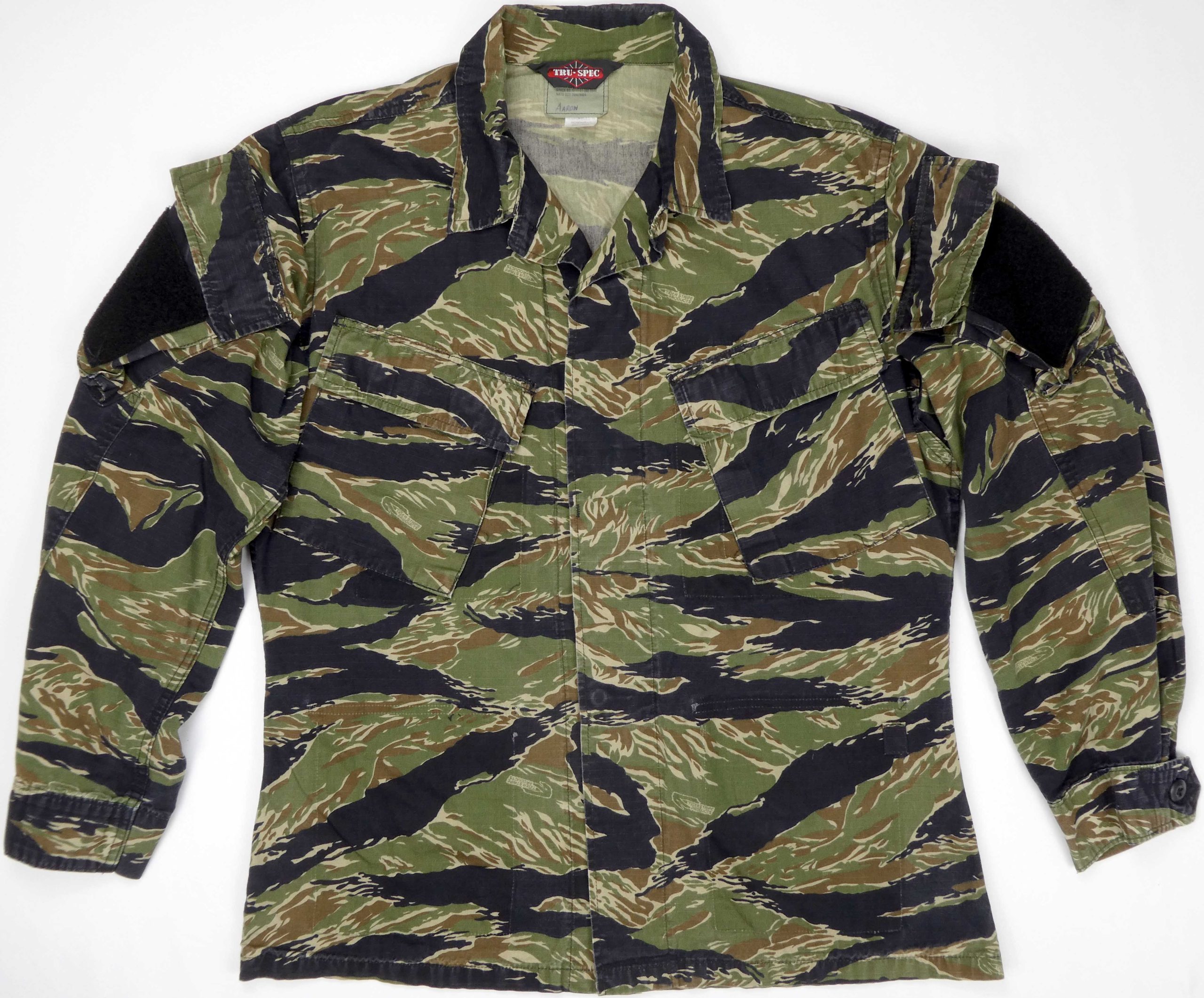
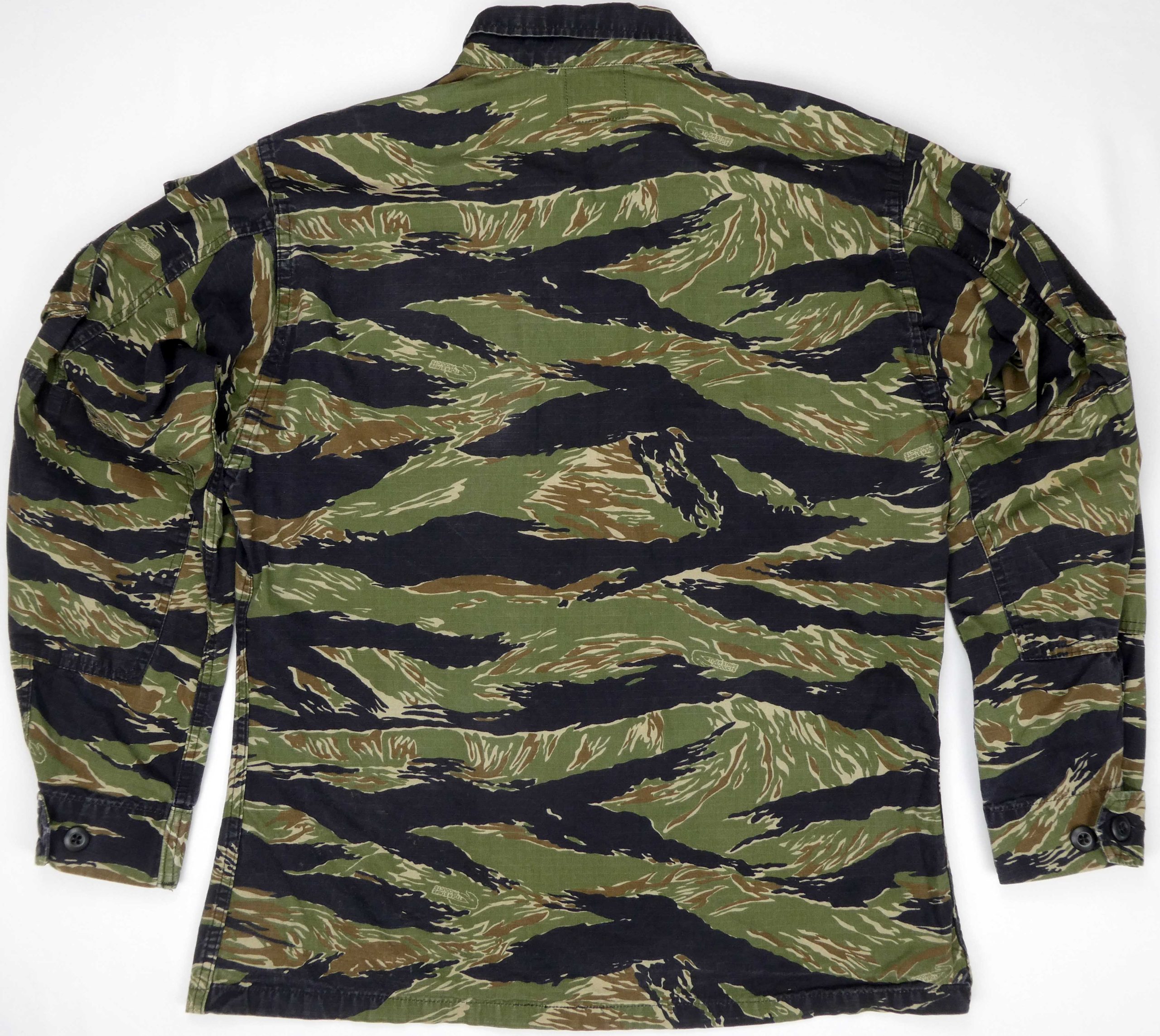
Modified BDU:
Tags:
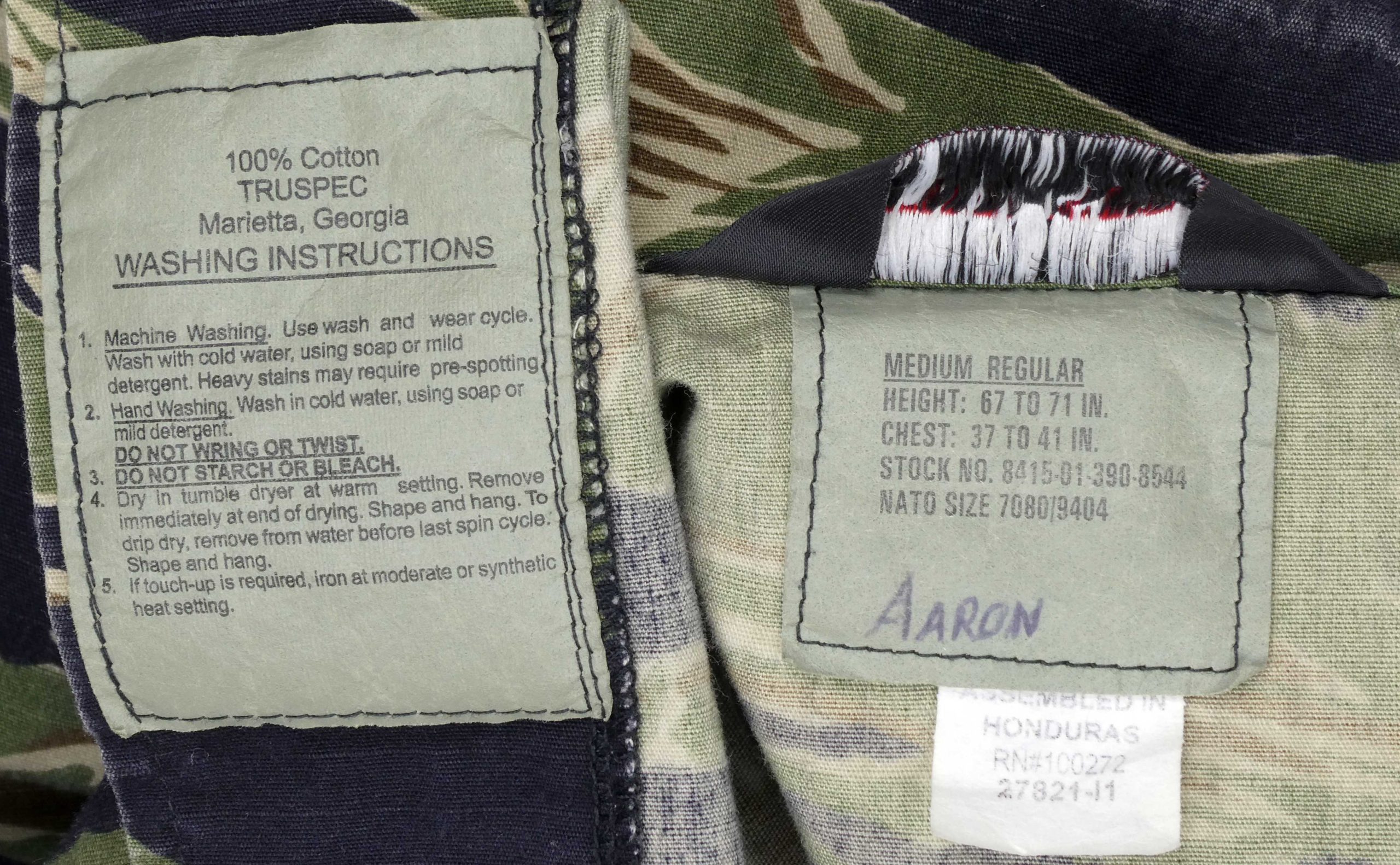
Arm Pockets:
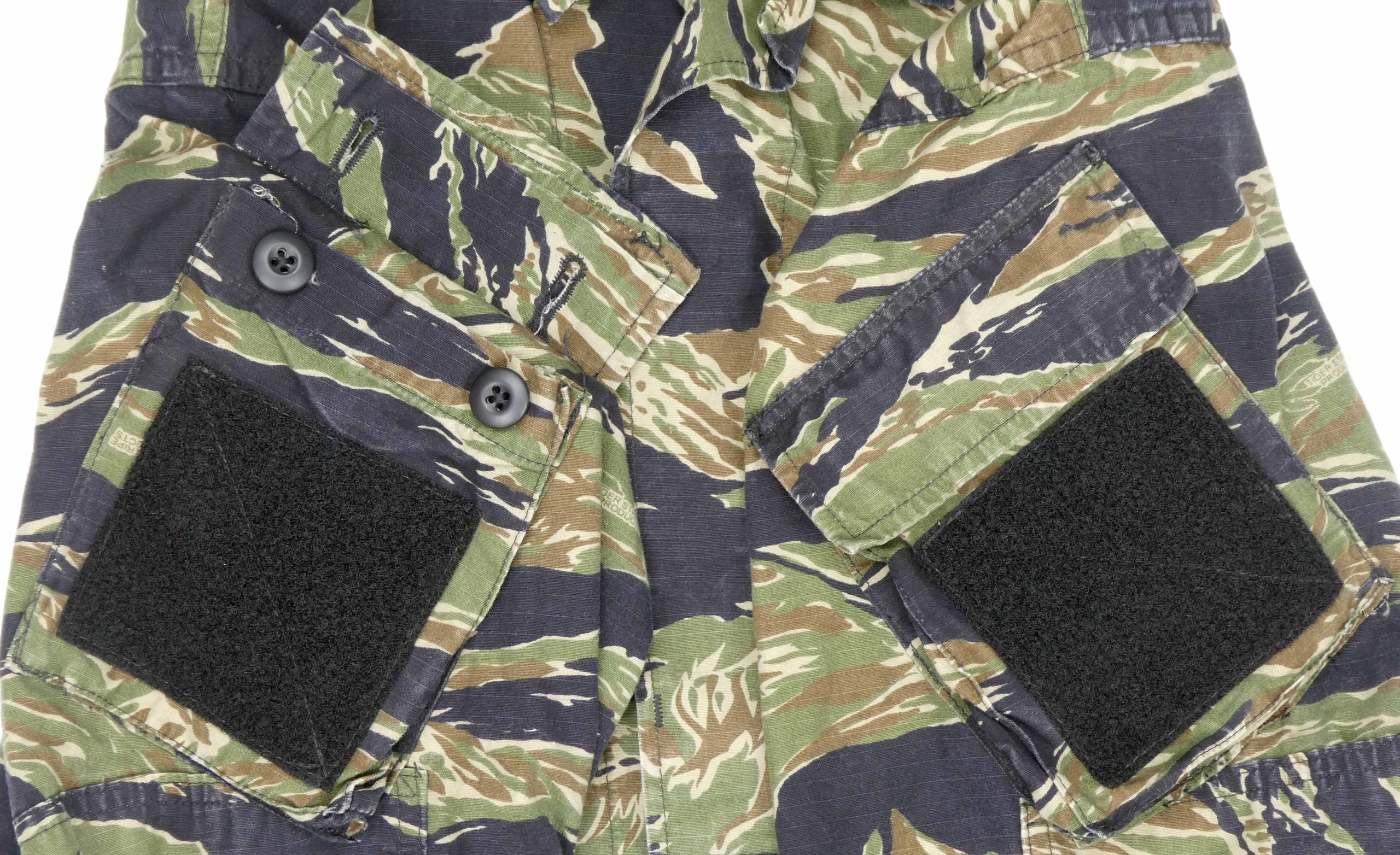
Arms had patches sewn on before chest pockets were moved there.
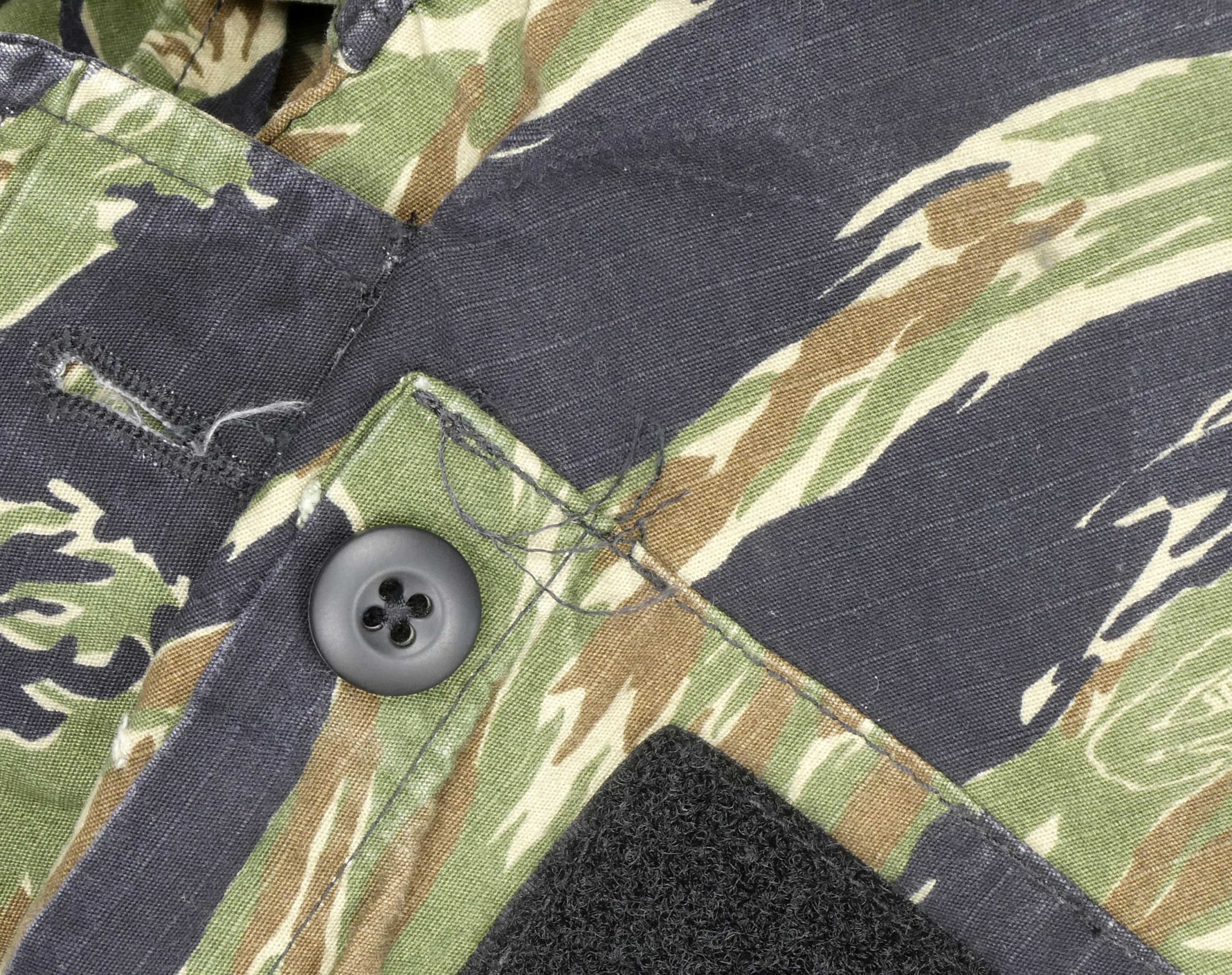
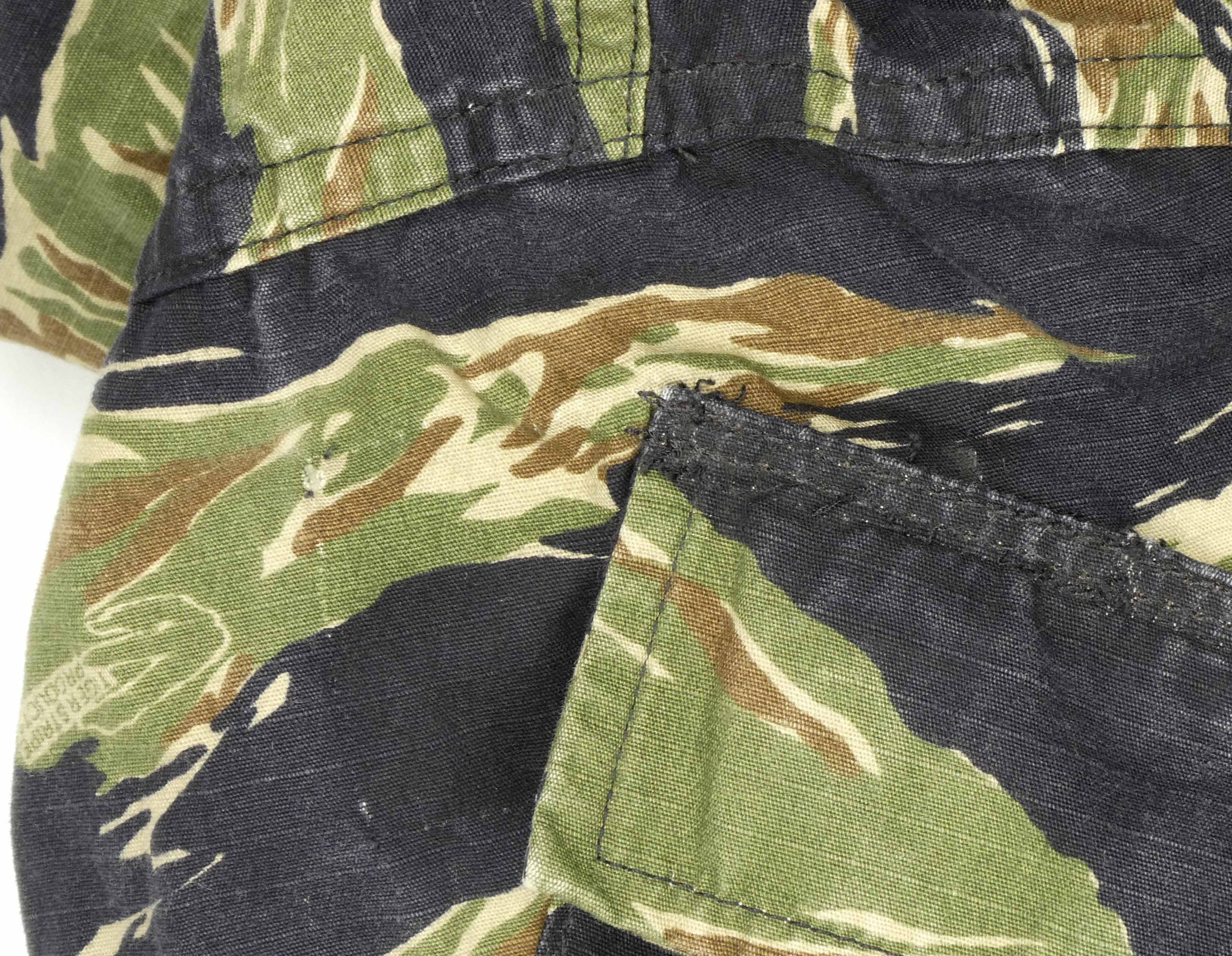
Chest Pockets:
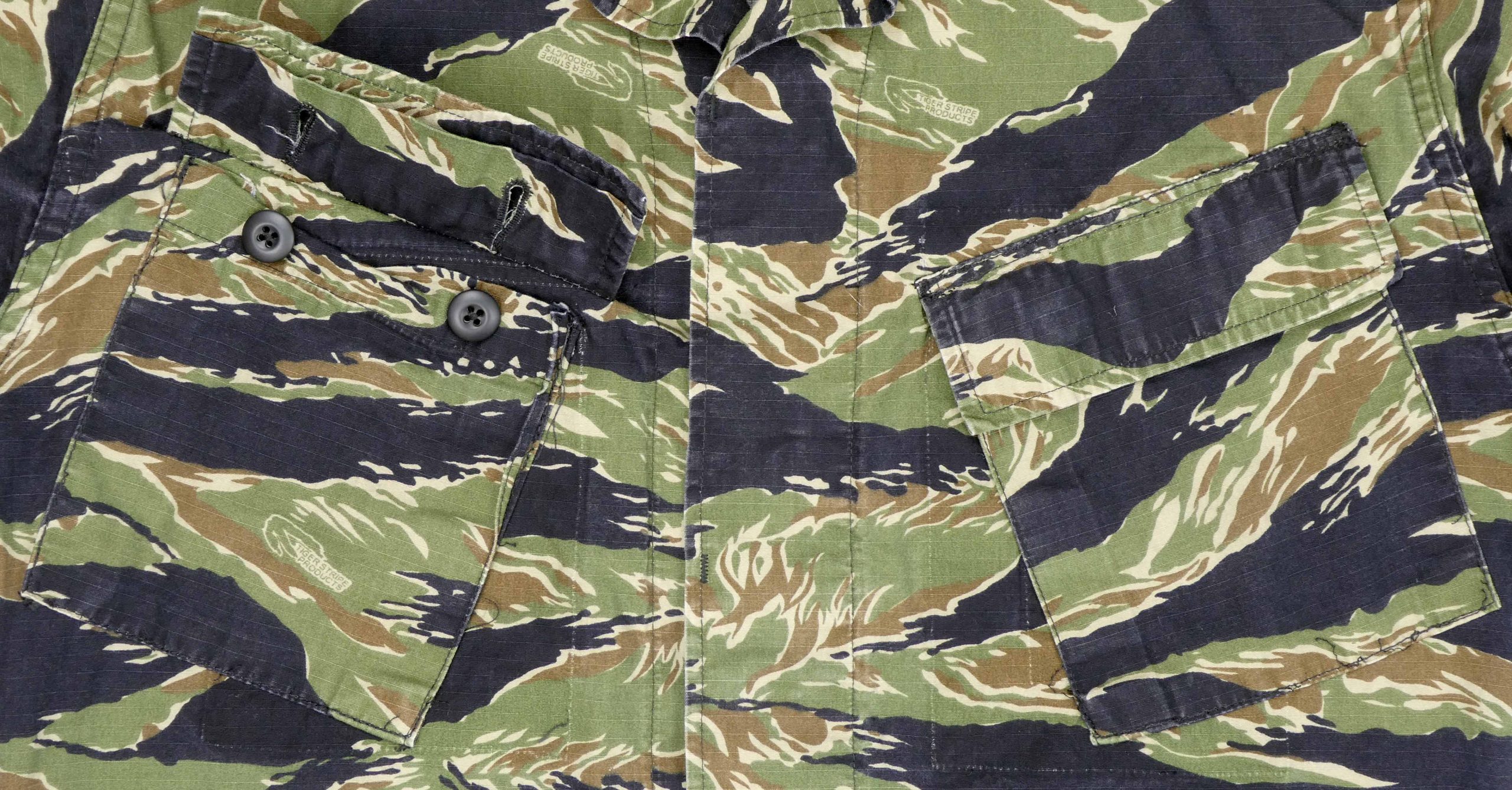
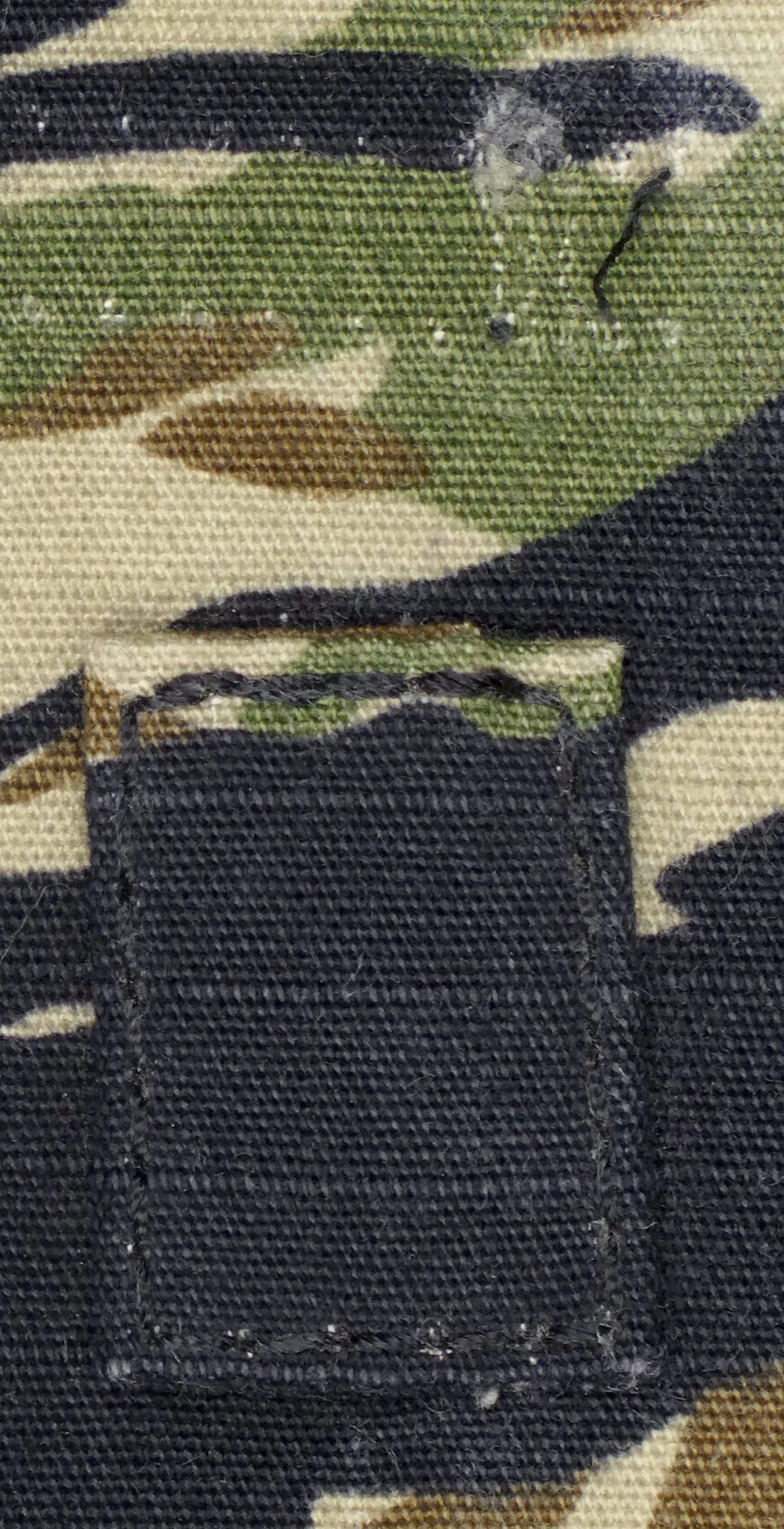
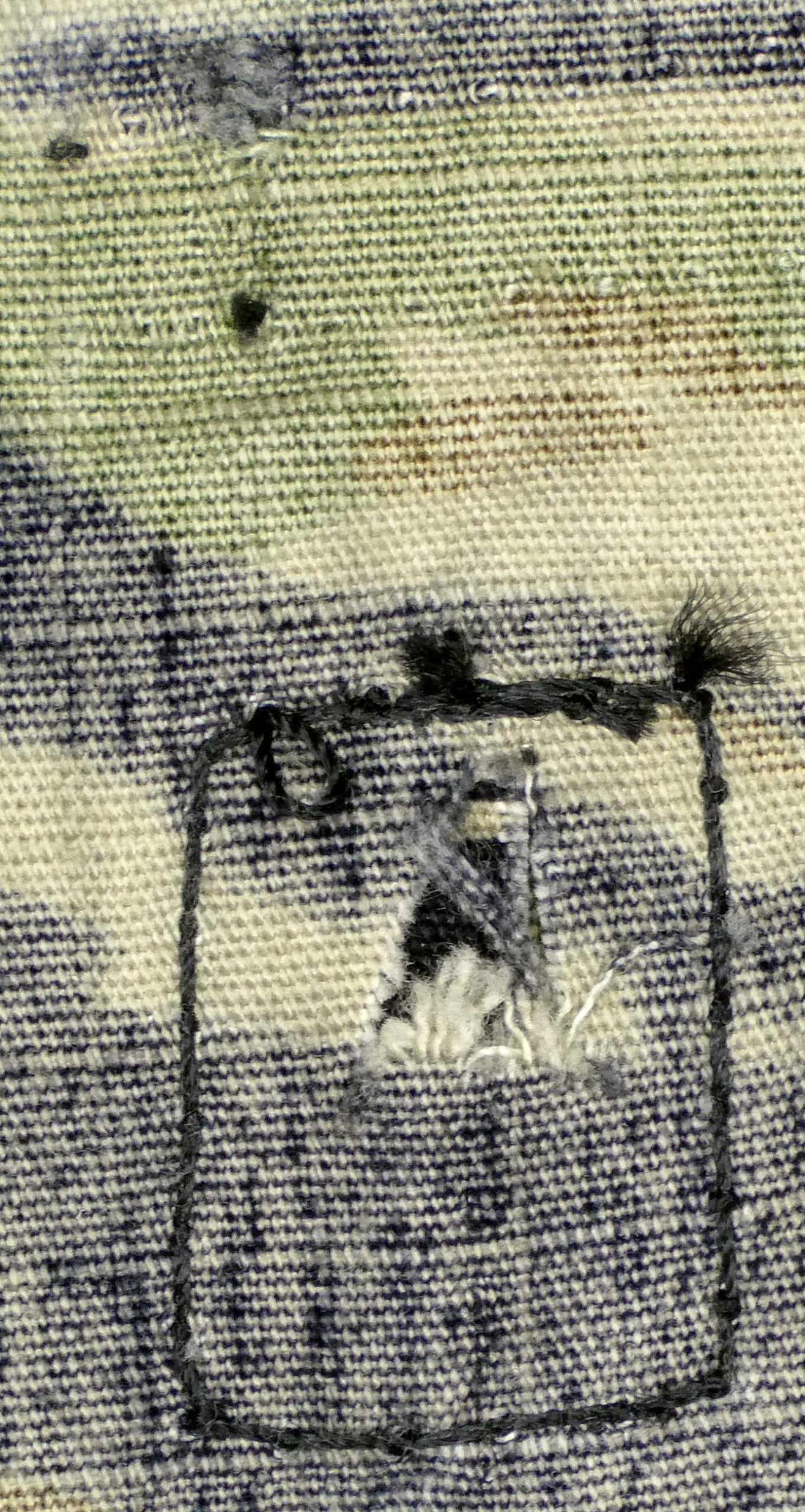
Repair:
Combat Shirt:
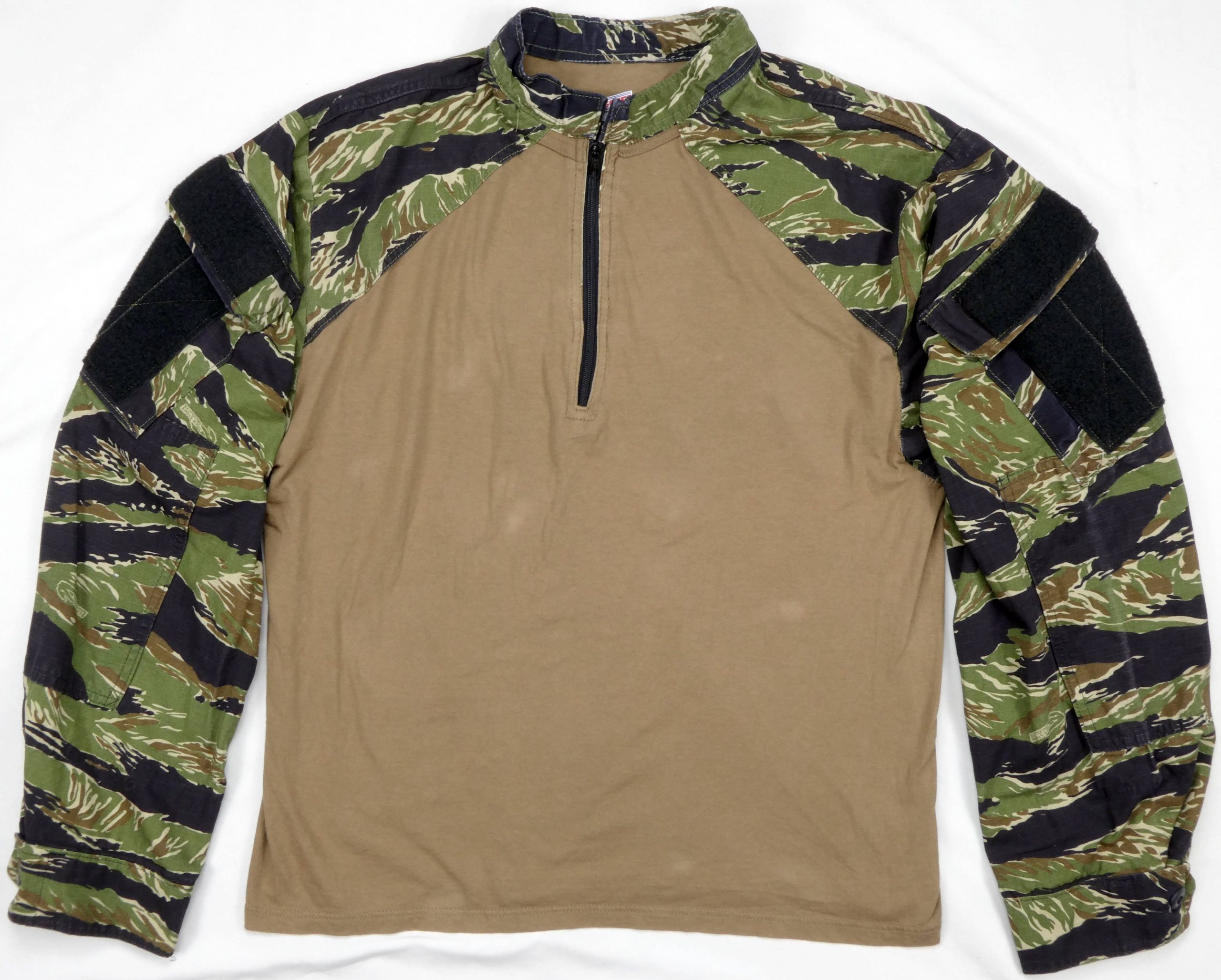
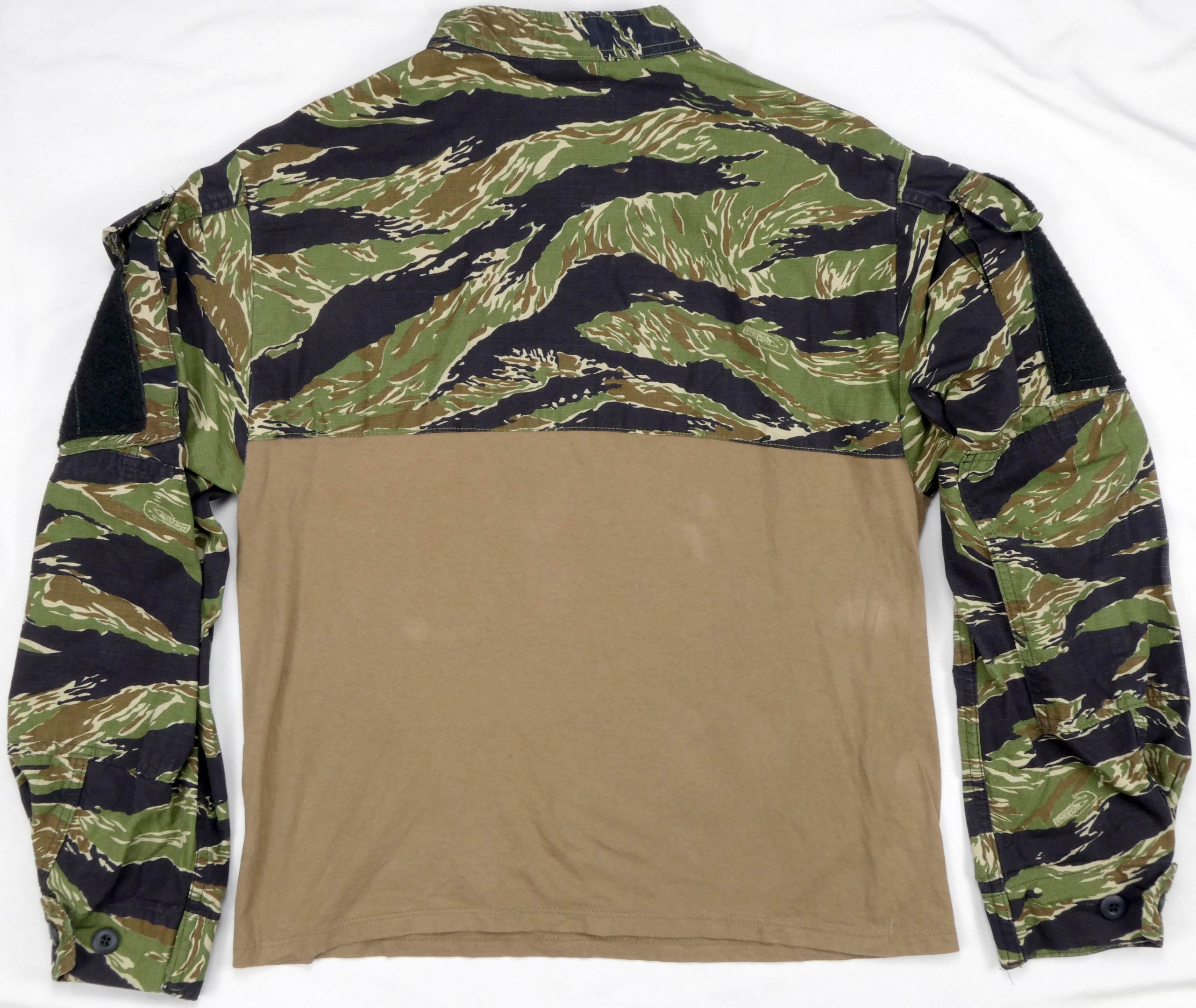
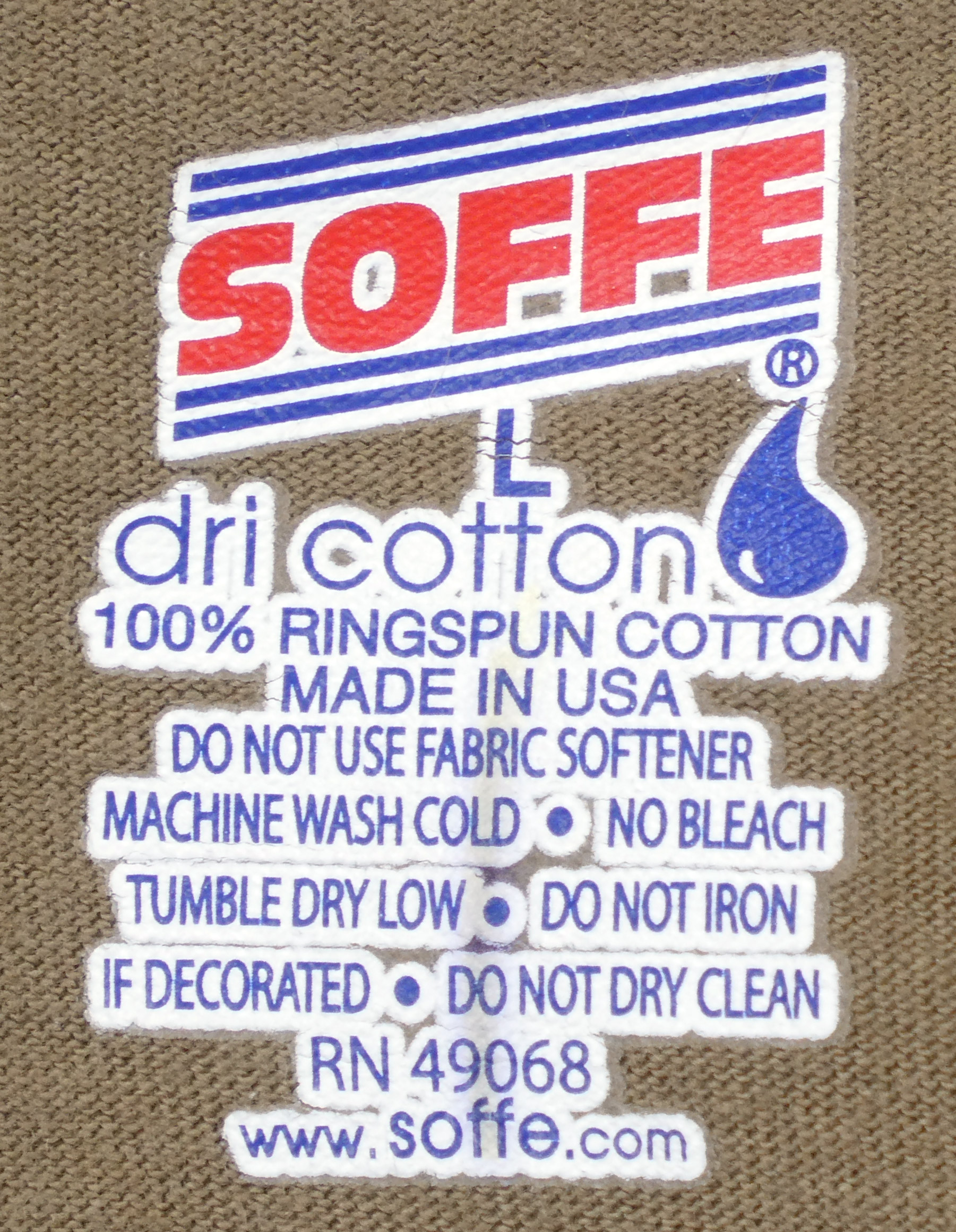
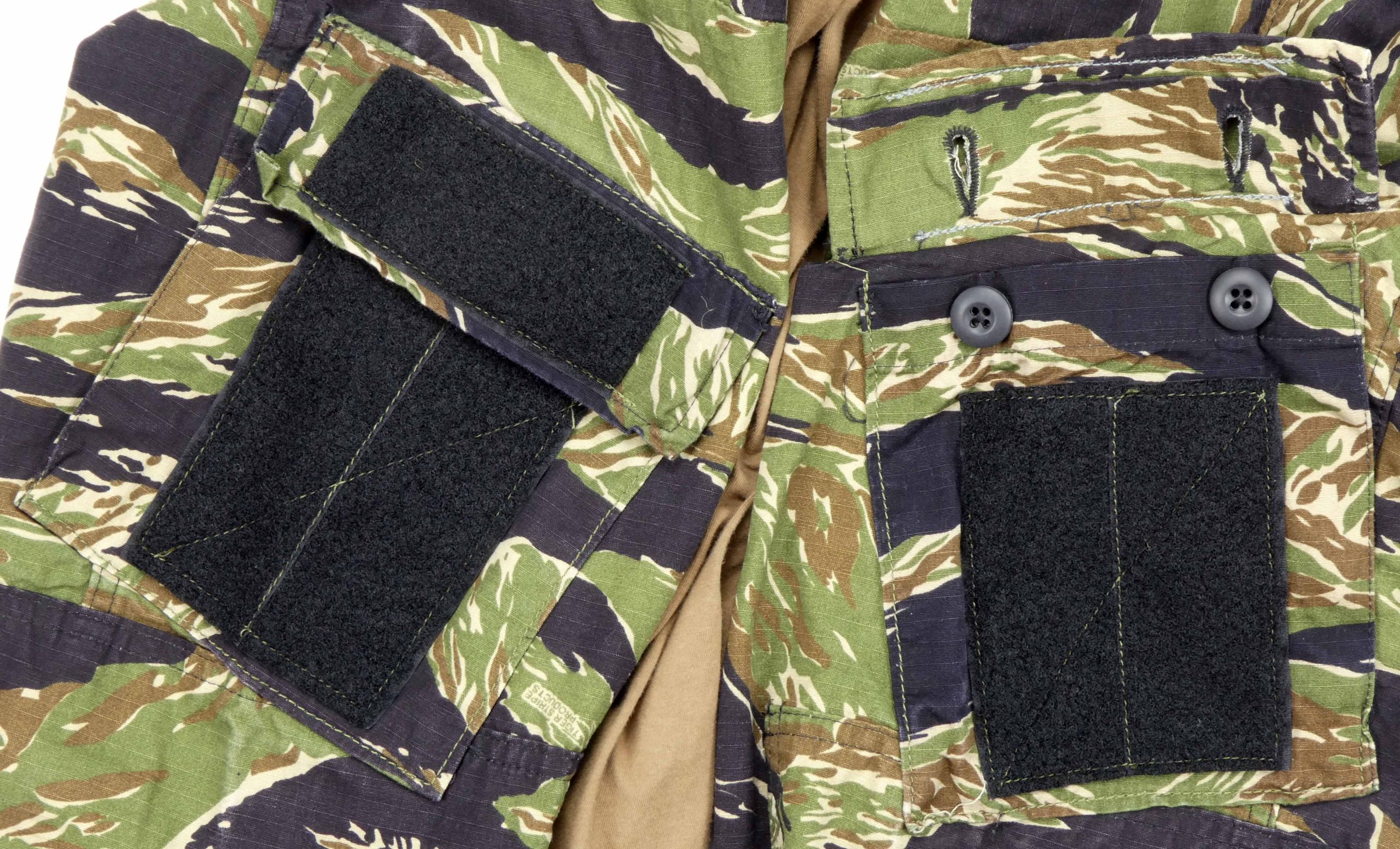
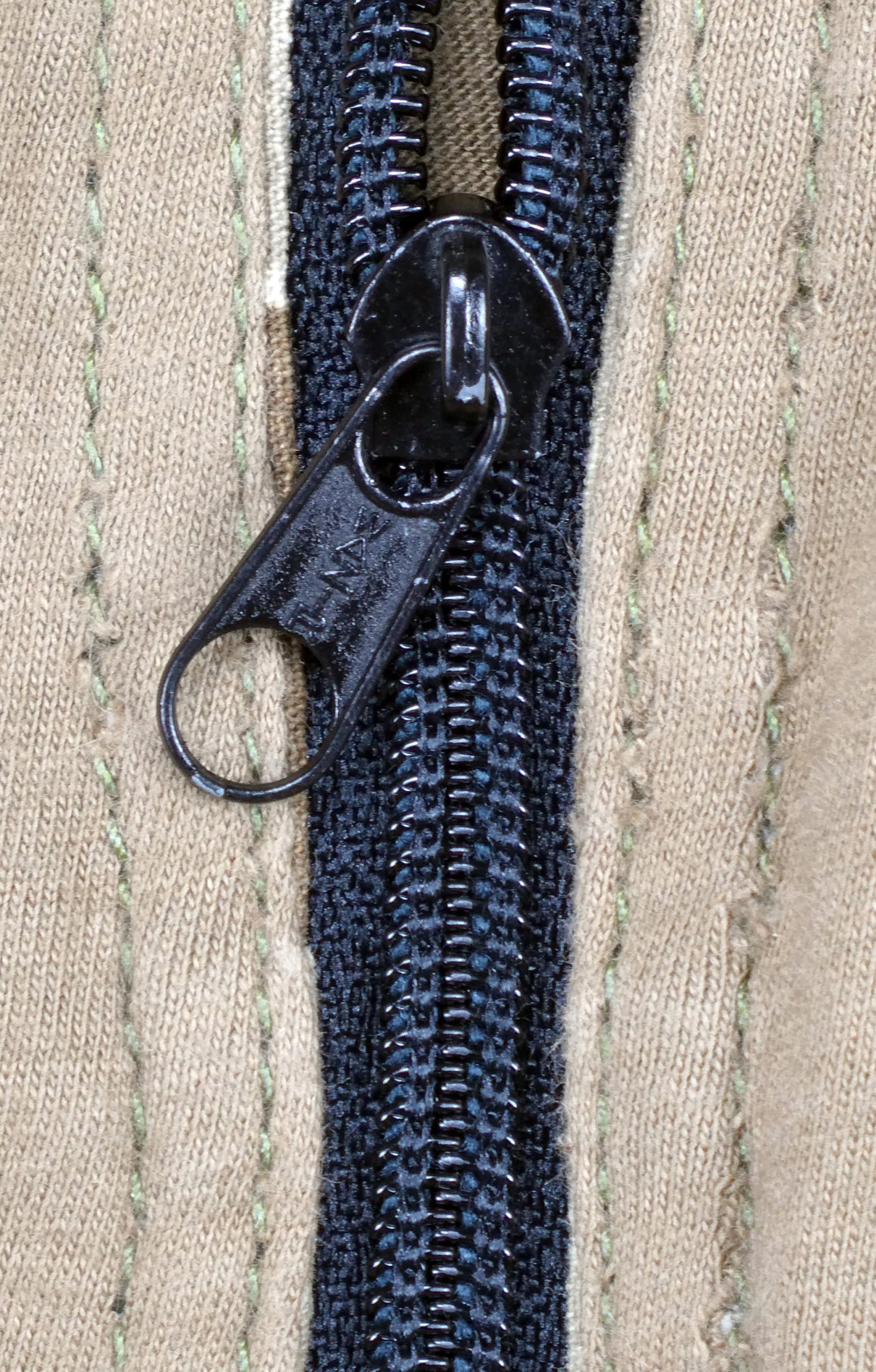
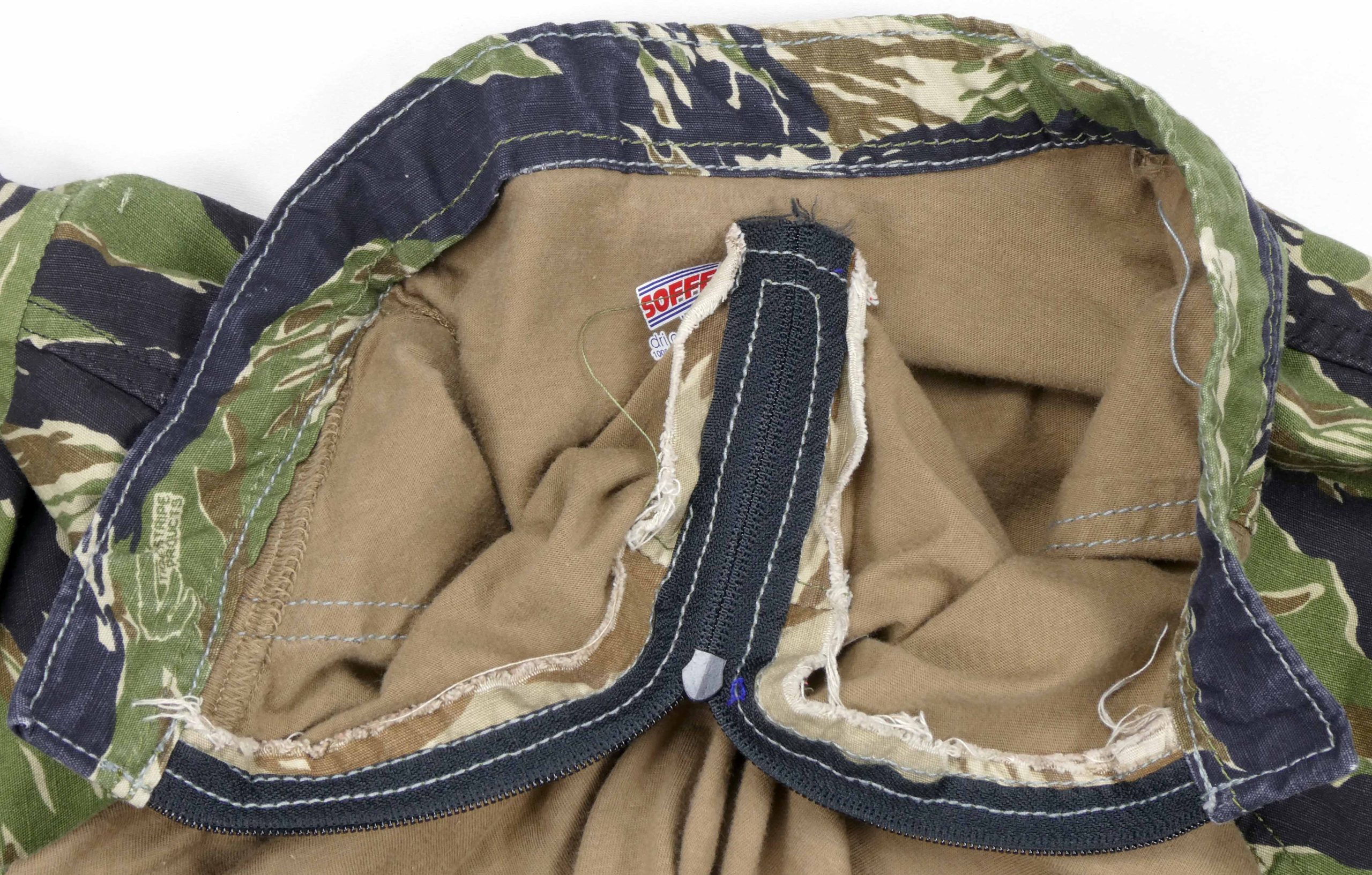
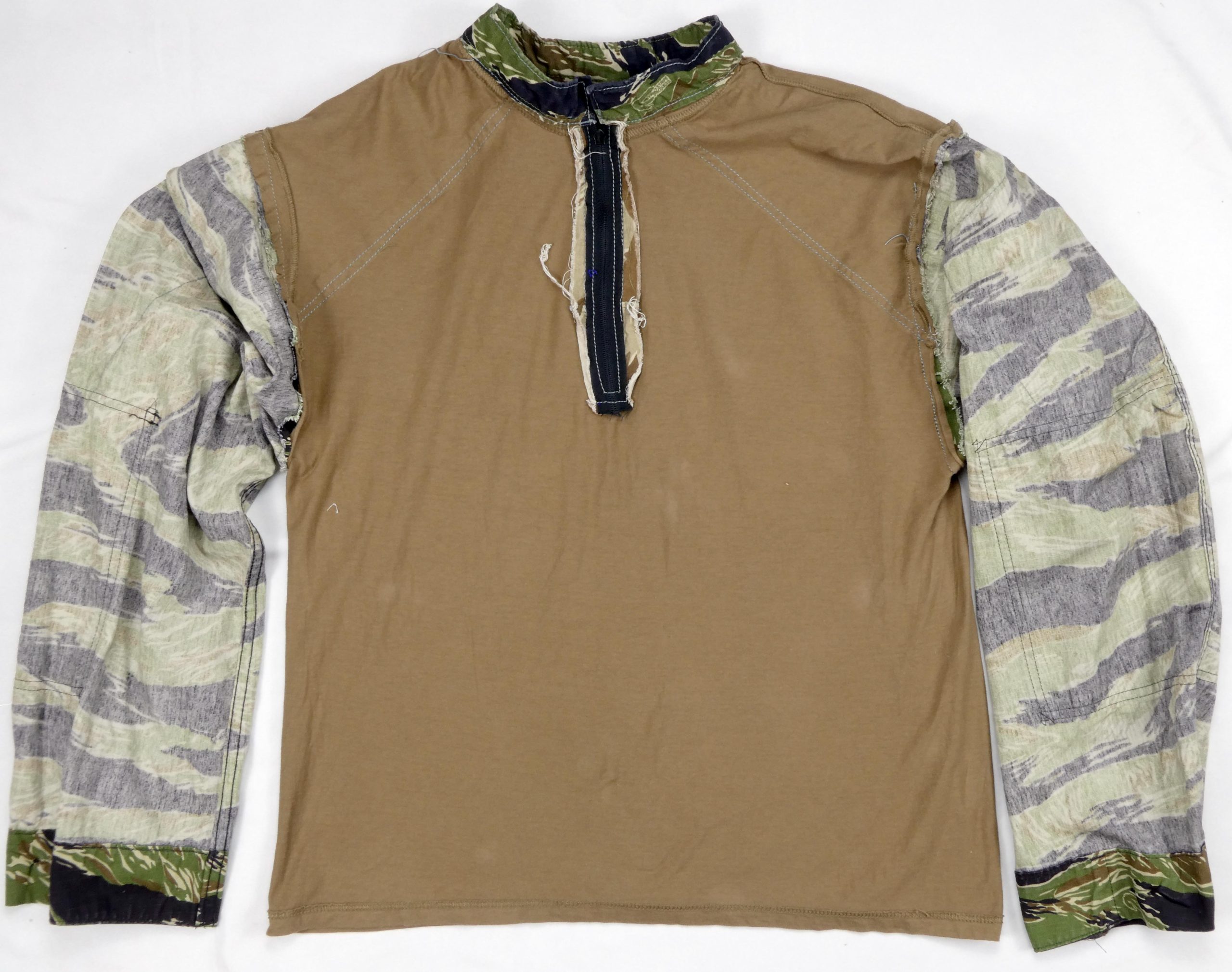
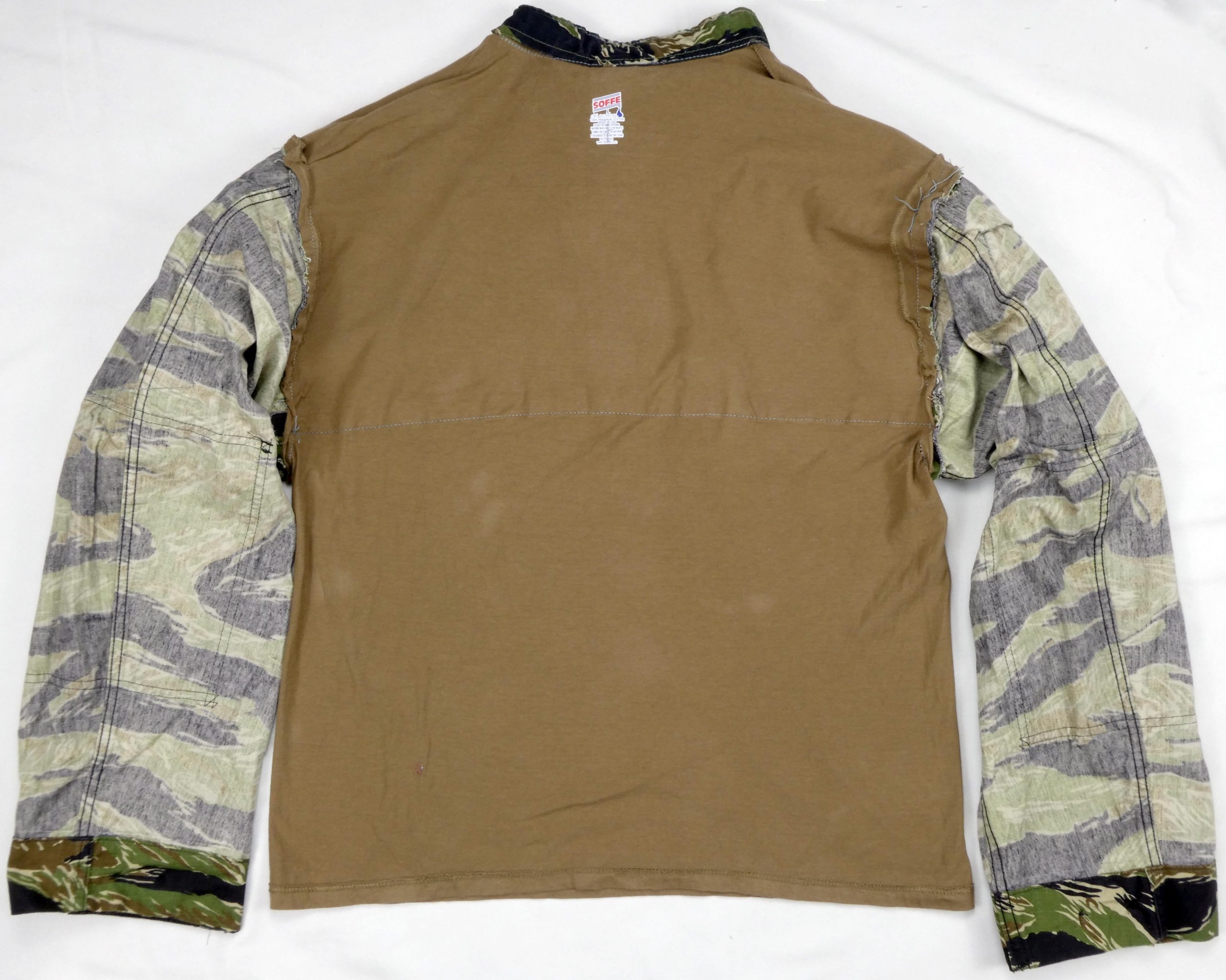
This combat shirt was made by attaching the sleeve and collar of a modified Tiger Stripe BDU to the torso of a Soffe branded T-shirt.
Tag:
Arm Pockets:
Zipper:
Inside:
Boonie Hat:
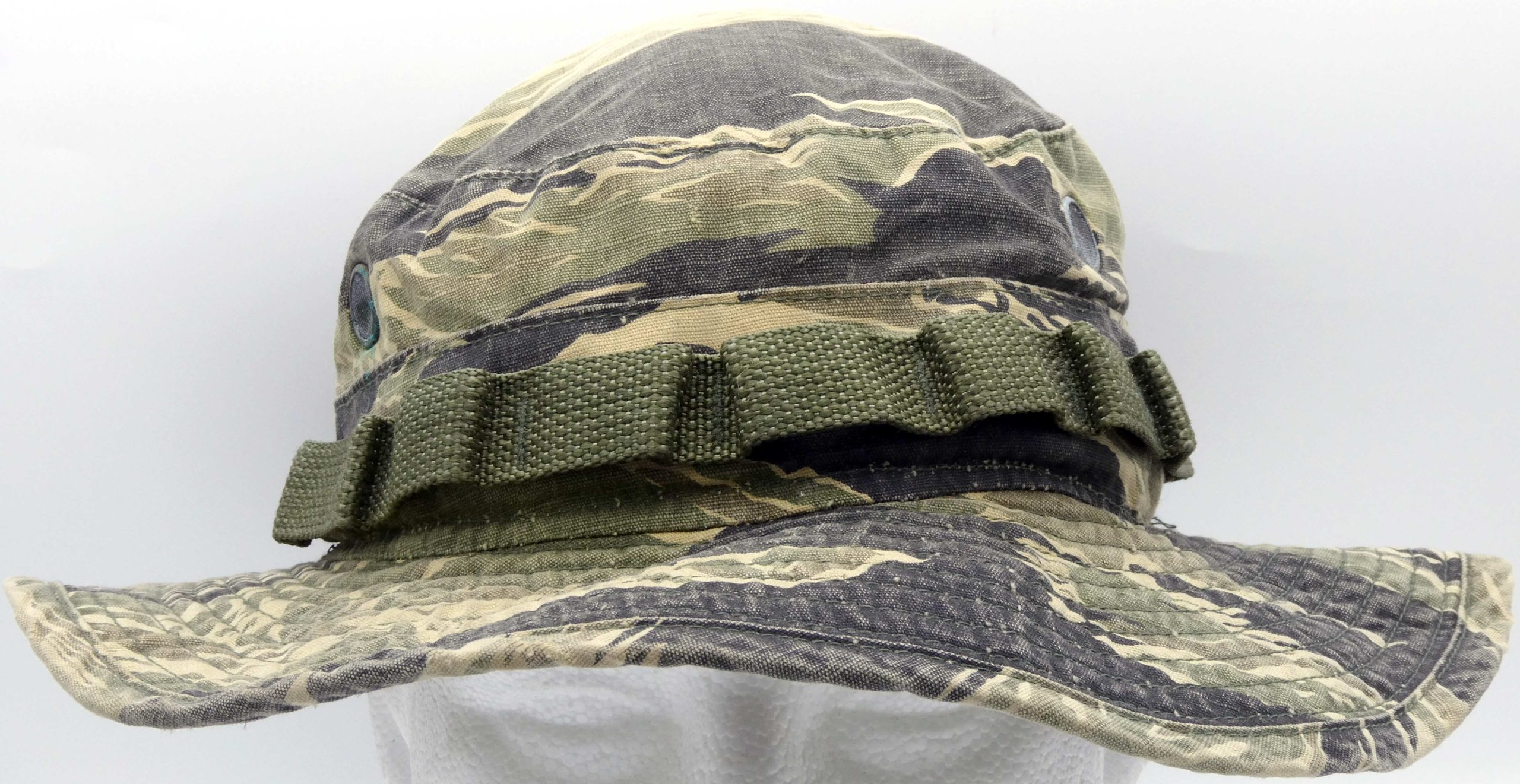
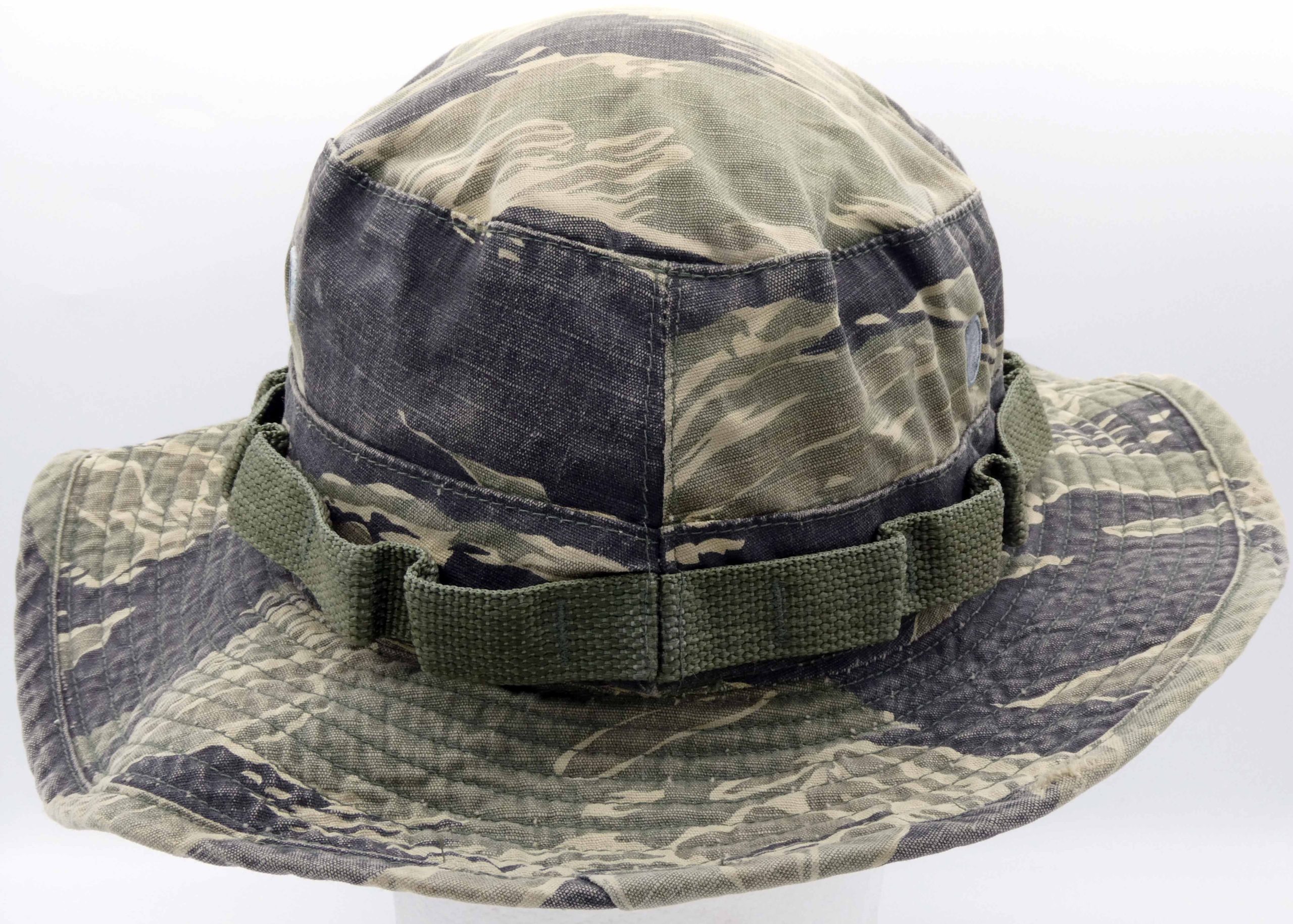
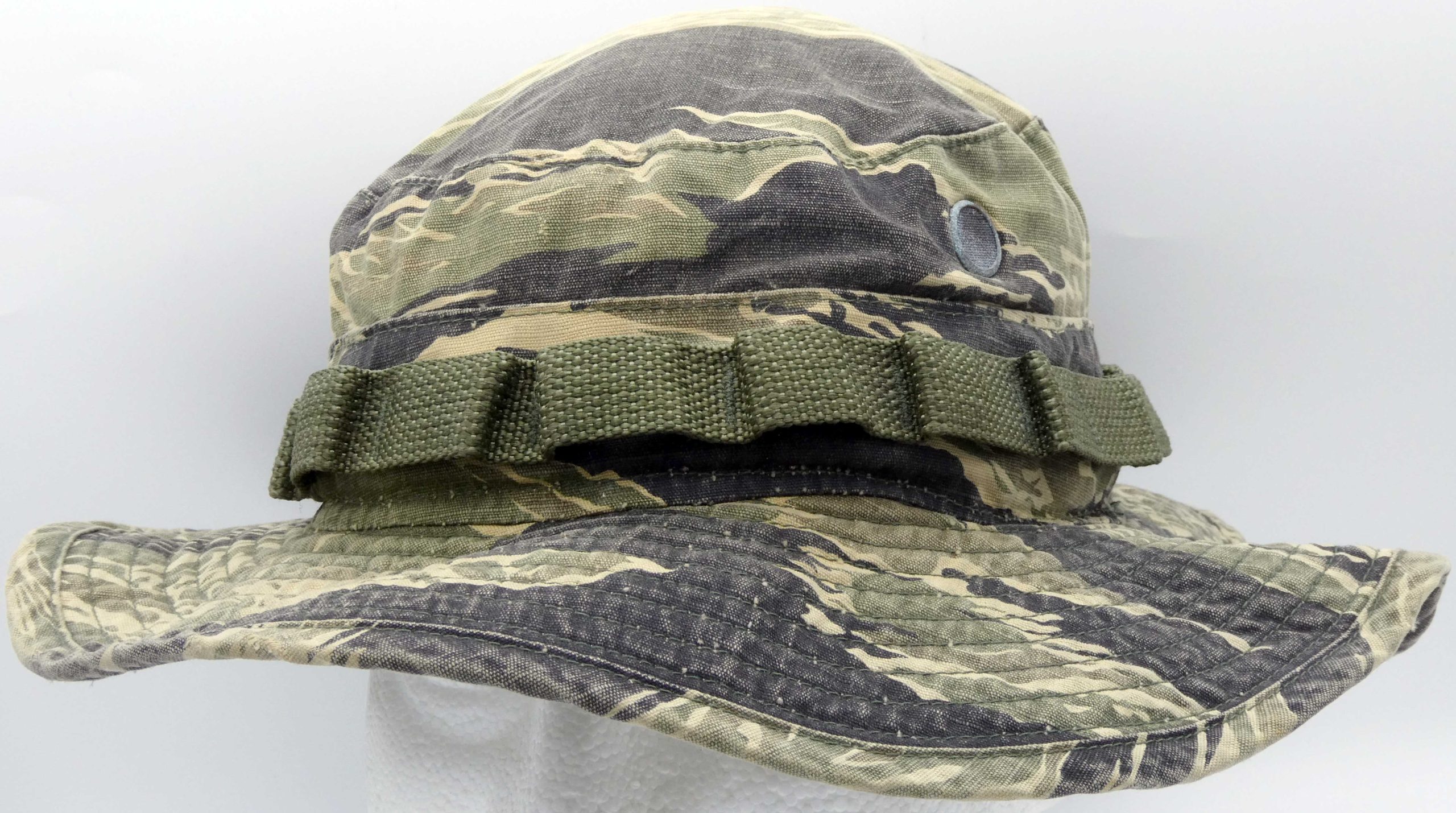
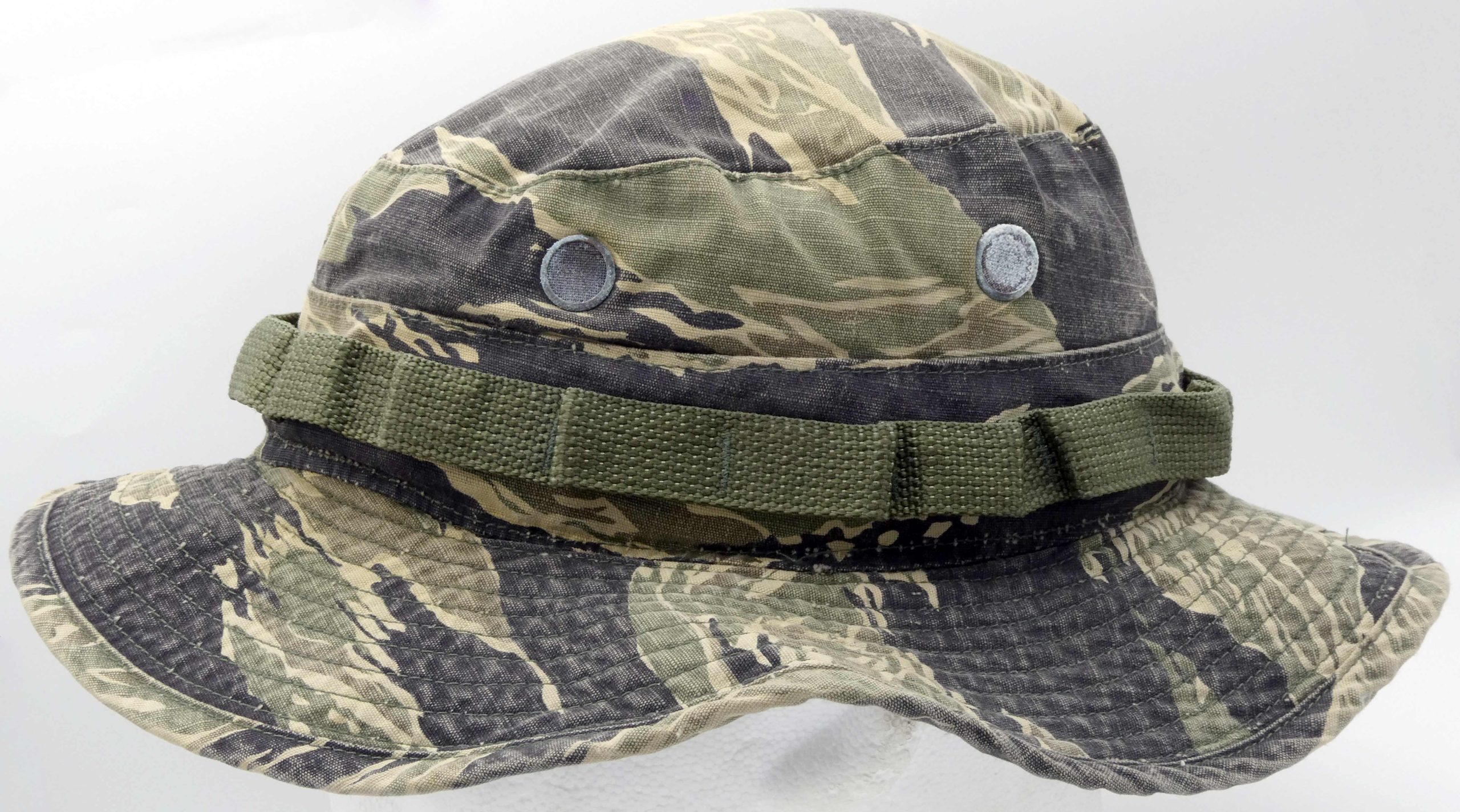
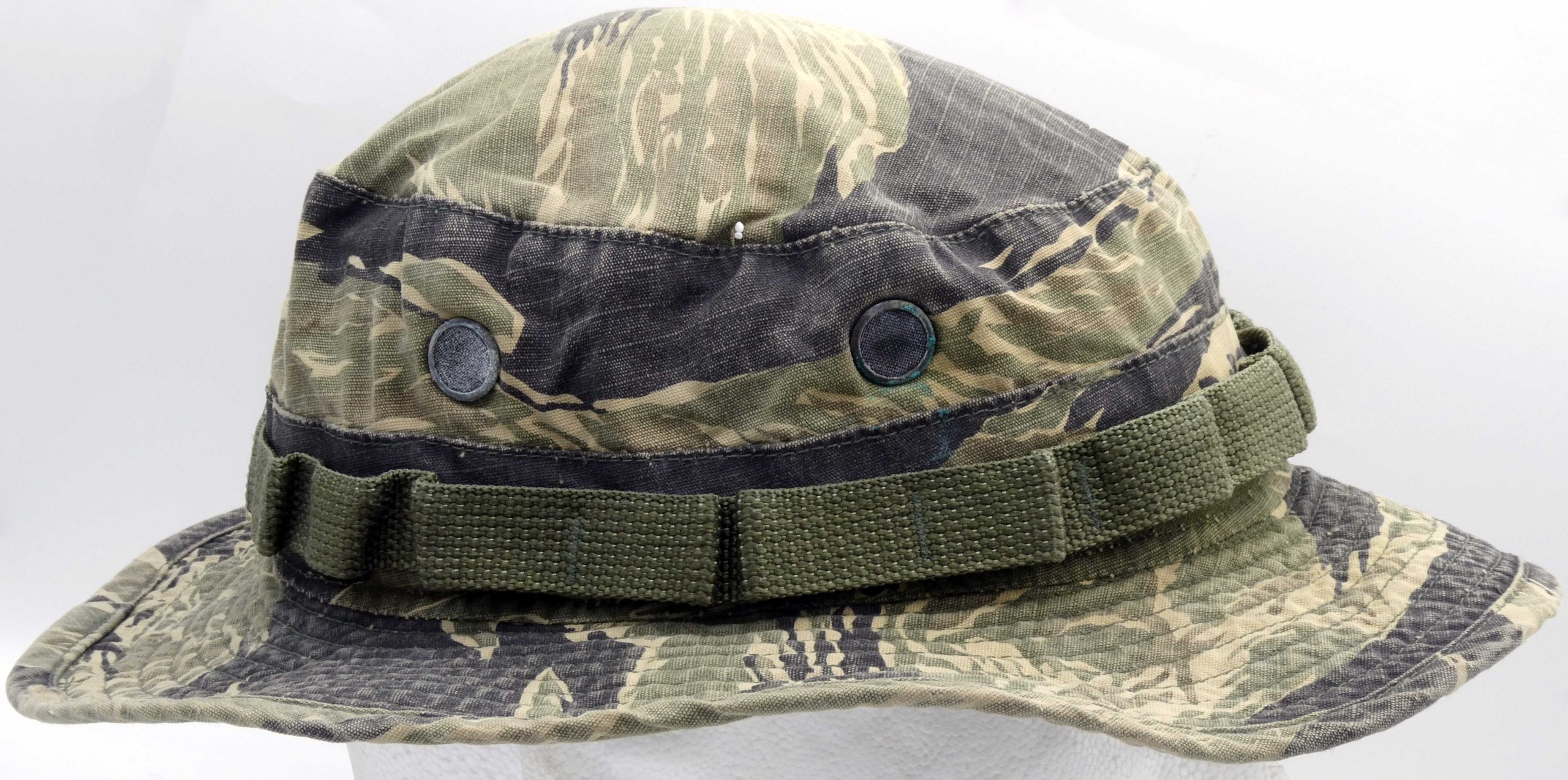
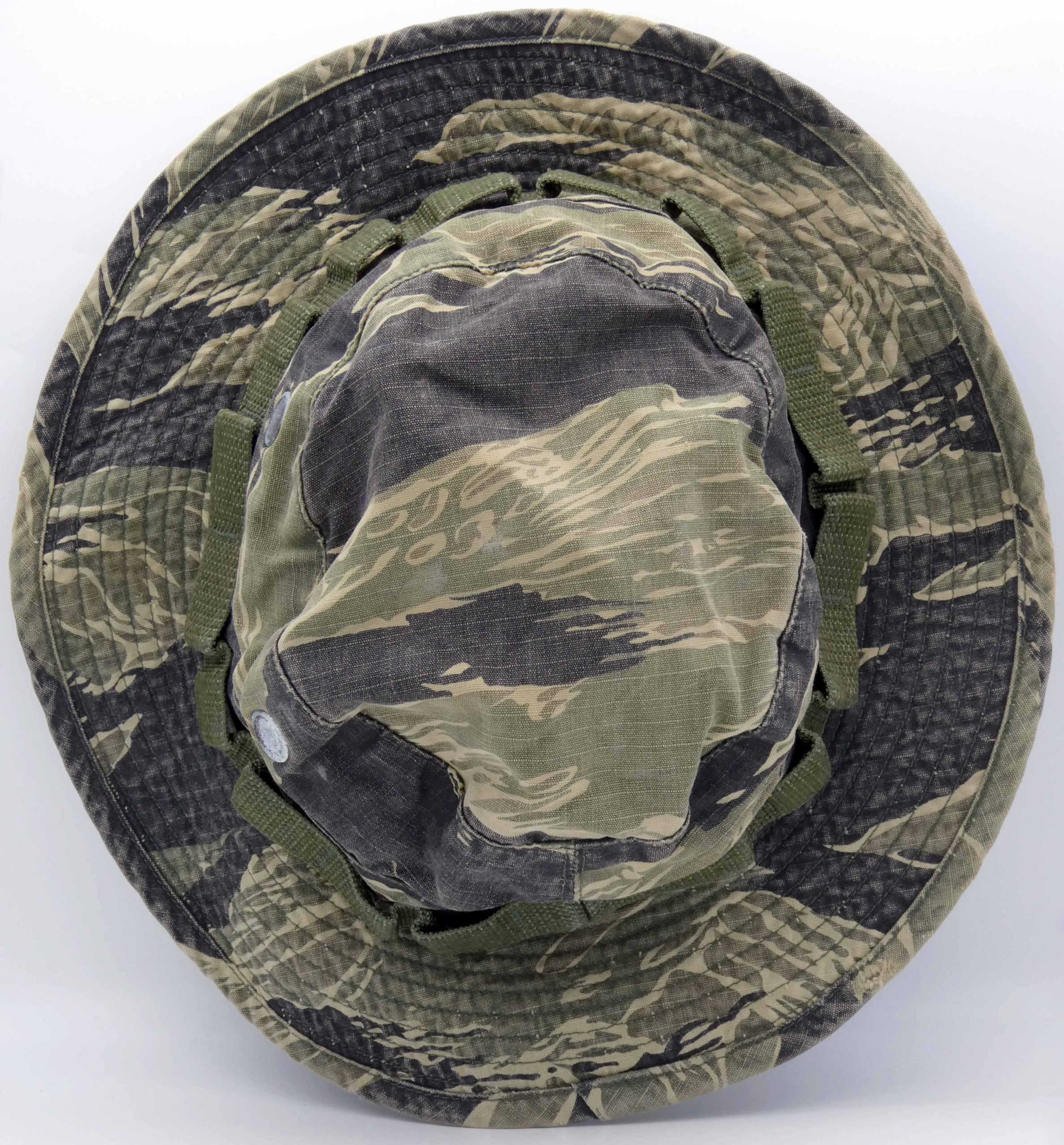
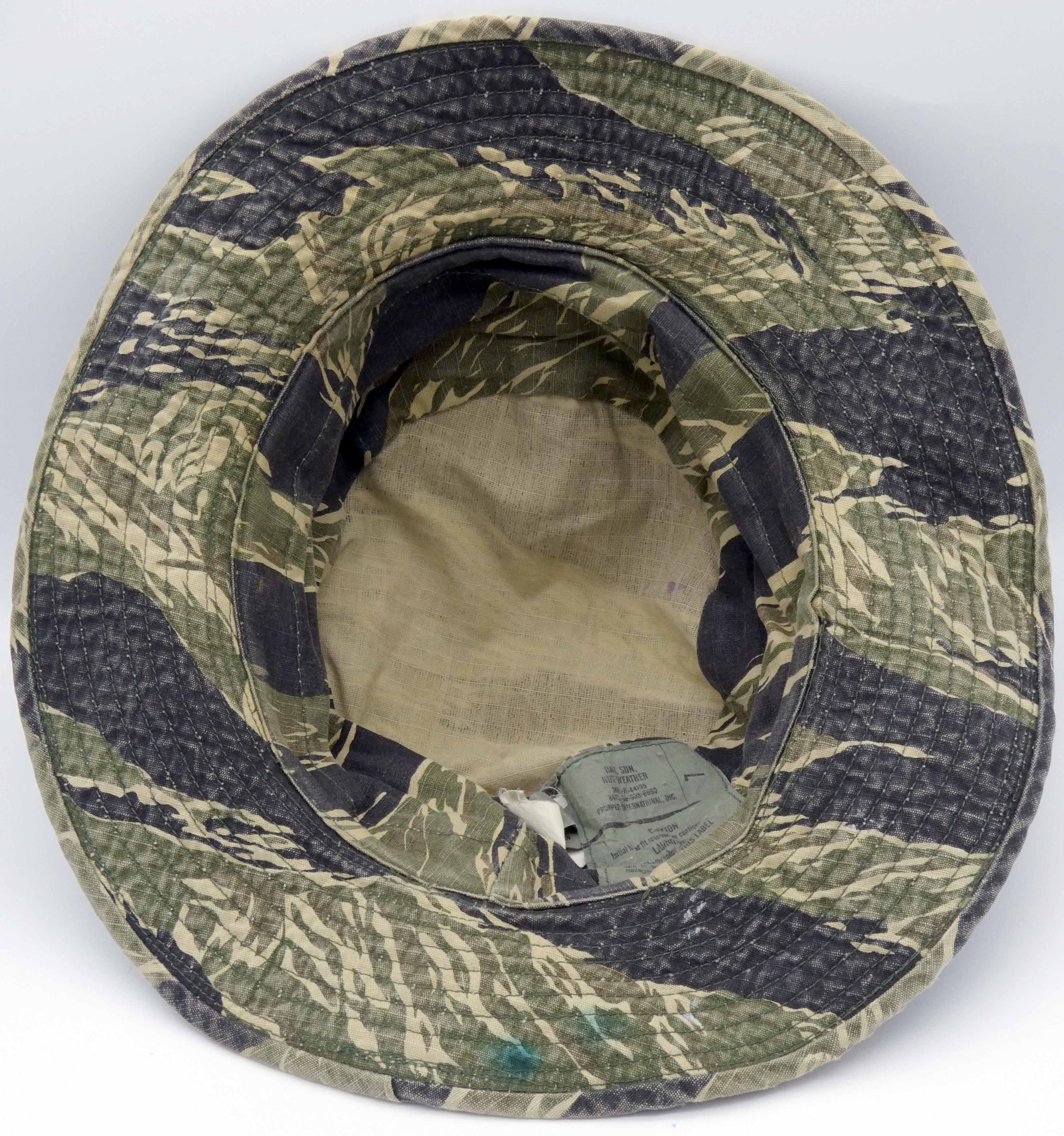
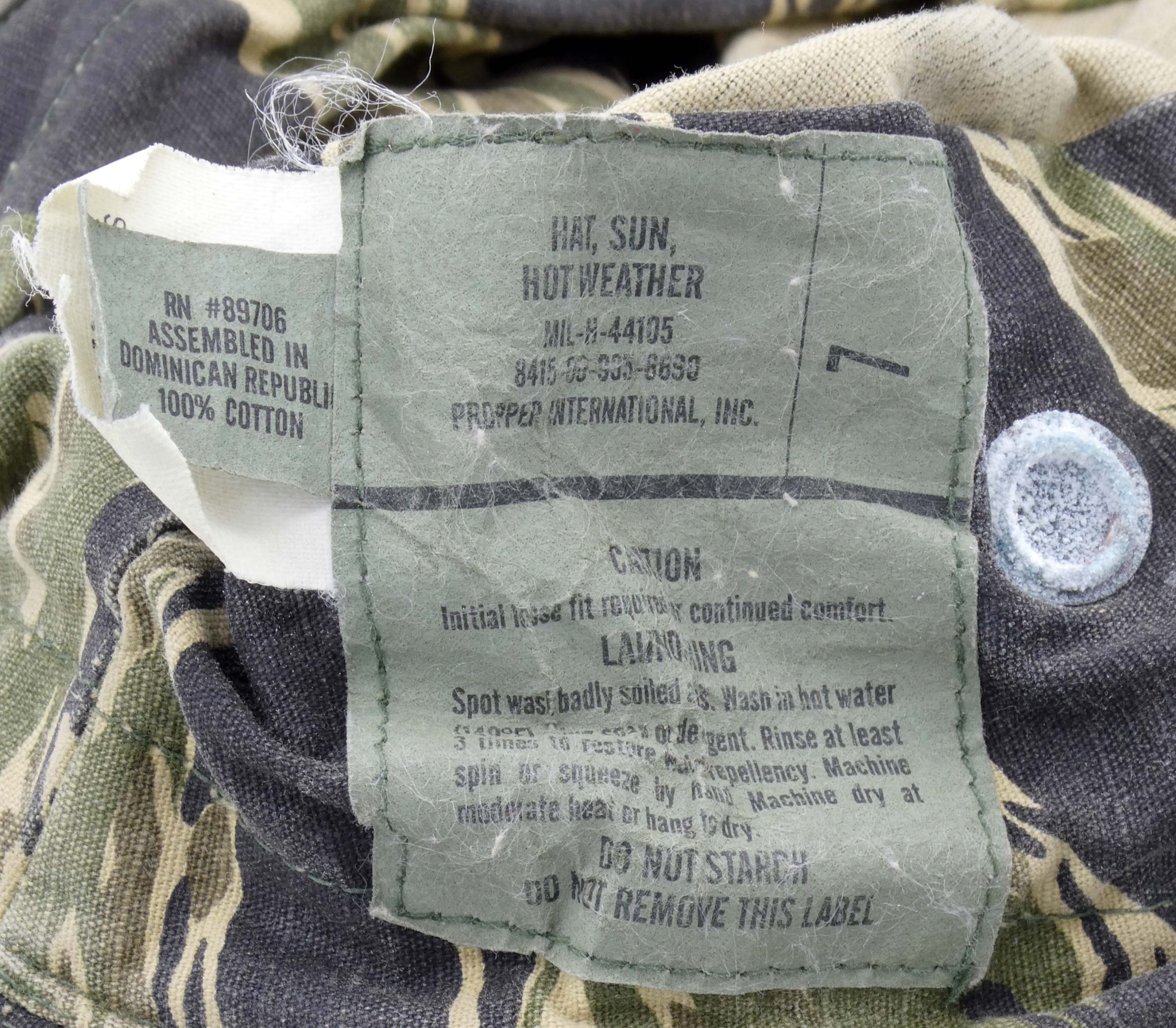
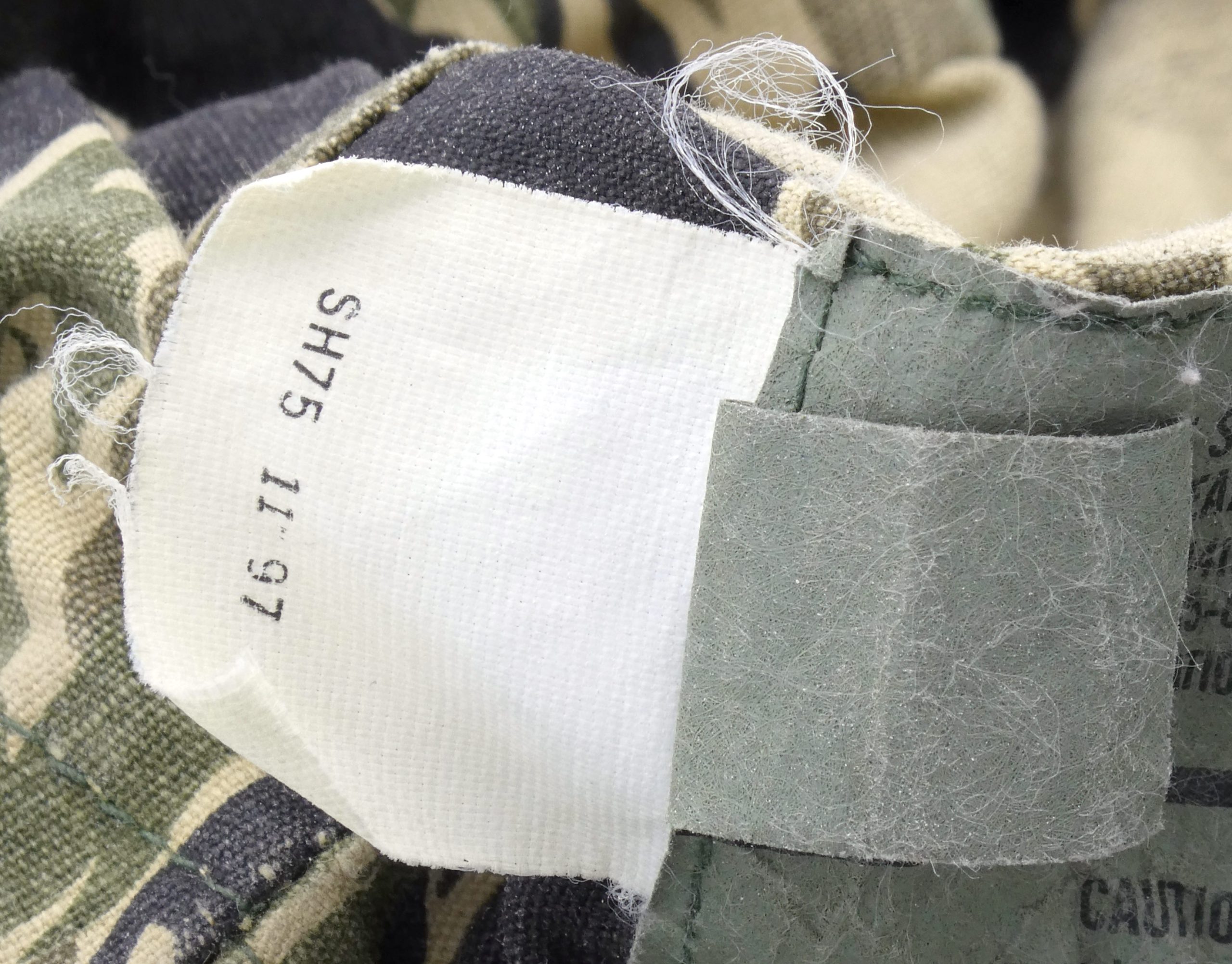
This heavily used, unmodified boonie hat was found in a surplus store in a US town with a significant Afghan population.
Sides:
Top:
Inside:
Tag:
Vents:
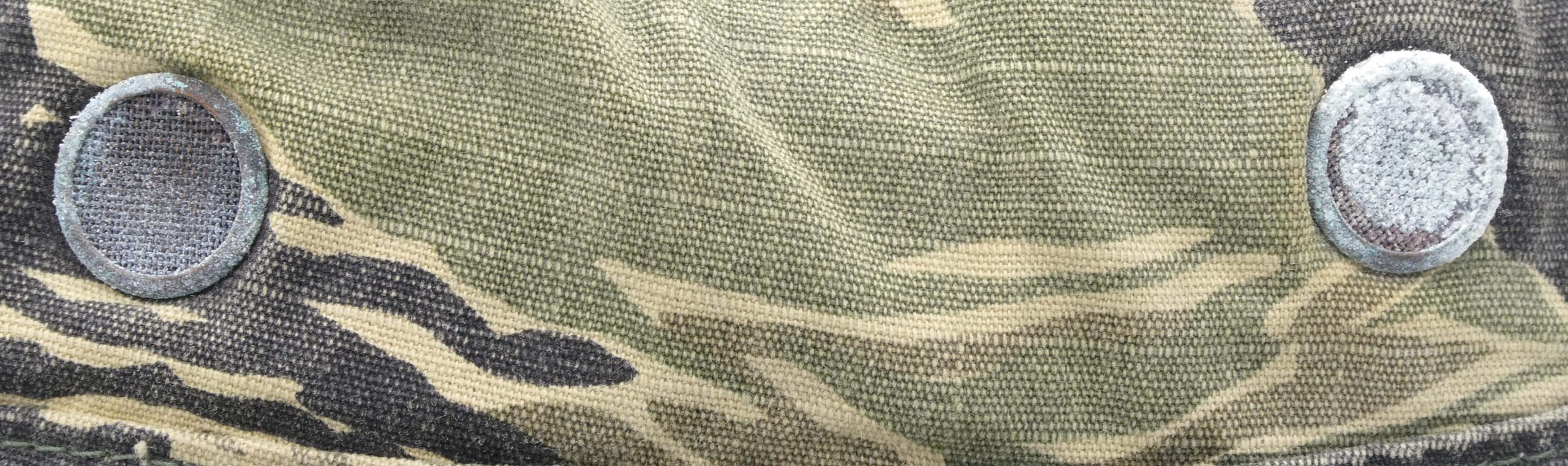
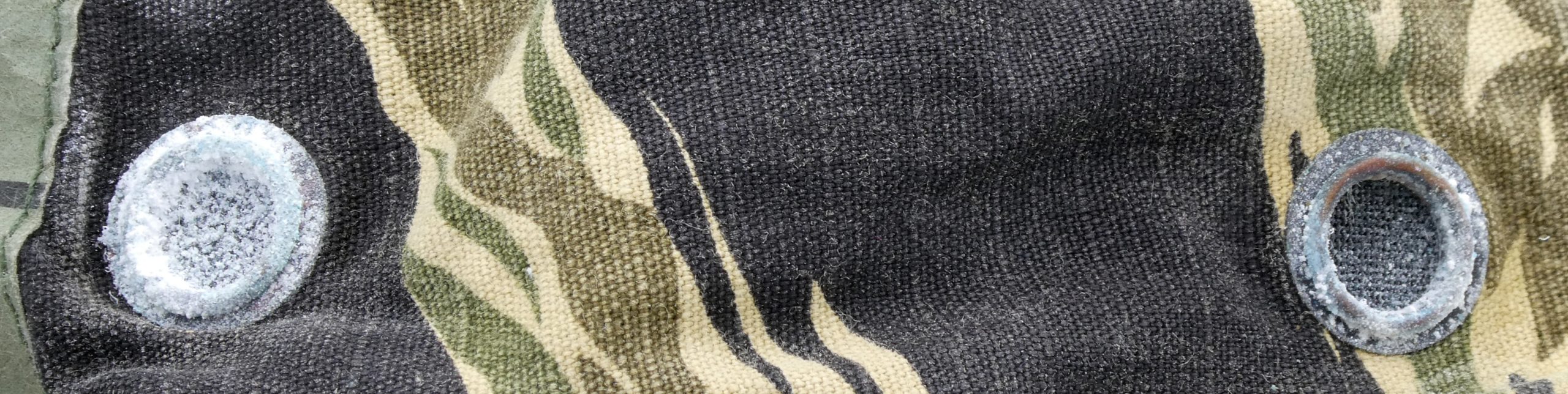
Vents are heavily corroded.
Usage Photos: